
Reading Swasthani in the Age of AI: What Are We Teaching Girls?
The future belongs to those who ask questions, not just those who read without thinking.
The future belongs to those who ask questions, not just those who read without thinking.
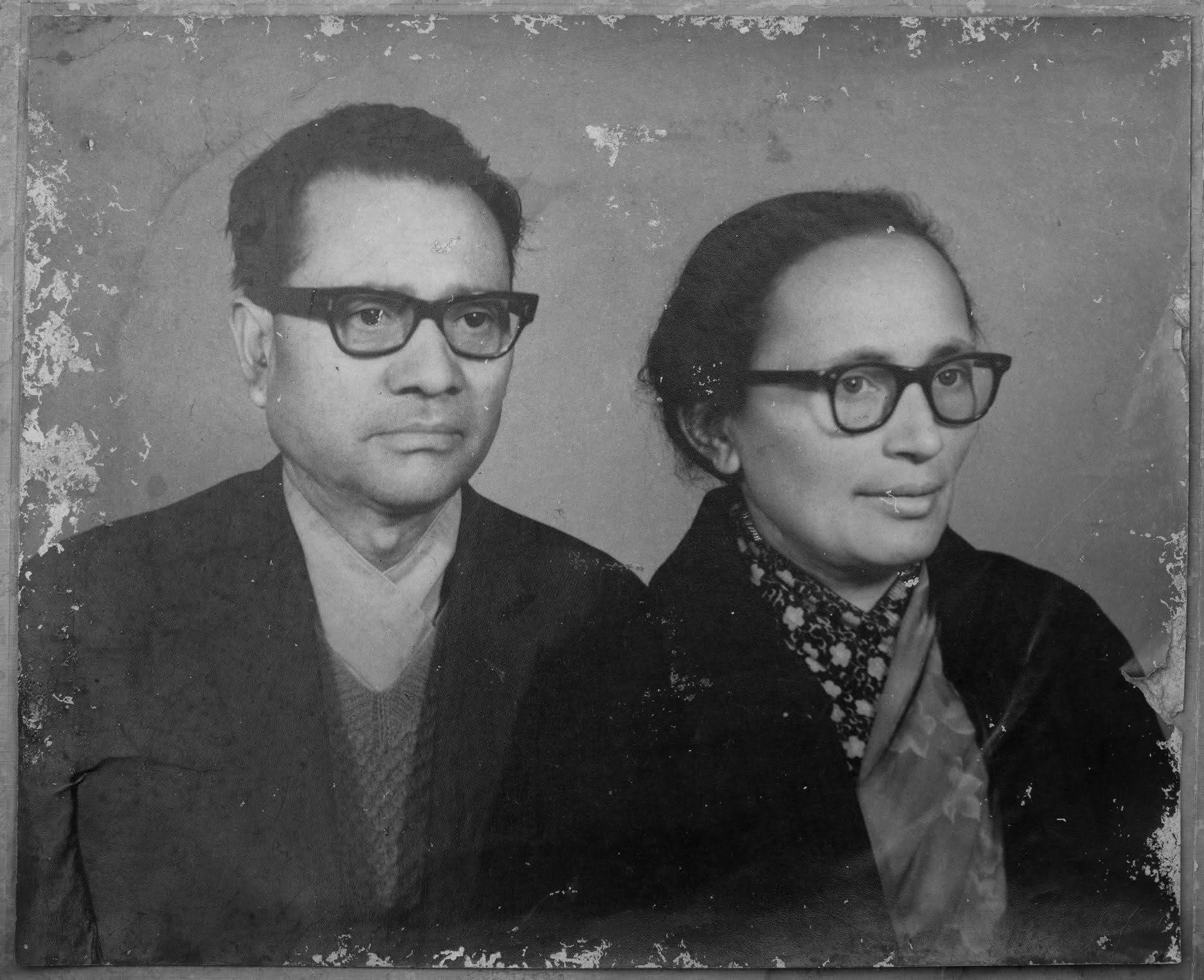
Heera Devi Yami: A Brave Woman Who Helped Change Nepal

Dharma Ratna Yami consciously adopted “Yami” as his surname, replacing Tuladhar, as a principled act of resistance against the caste system. In the Newari language, Yami (यमि) signifies “one belonging to Kathmandu” or “an inhabitant of Kathmandu,” a meaning he embraced to assert dignity, belonging, and equality beyond inherited hierarchies.

धर्मरत्न यमि, हाम्रो राष्ट्रियता यमि प्रकाशन, २०१८, पृ. ४९

INDEPENDENCE DAY ARRESTS IN NEPAL BENARES, Aug. 23. — The secretary of the Nepali National Congress announces that 33 persons including a lady named Hira Devi, with a baby in her arms, were arrested in Nepal valley in connection with celebration of Indian Independence Day.
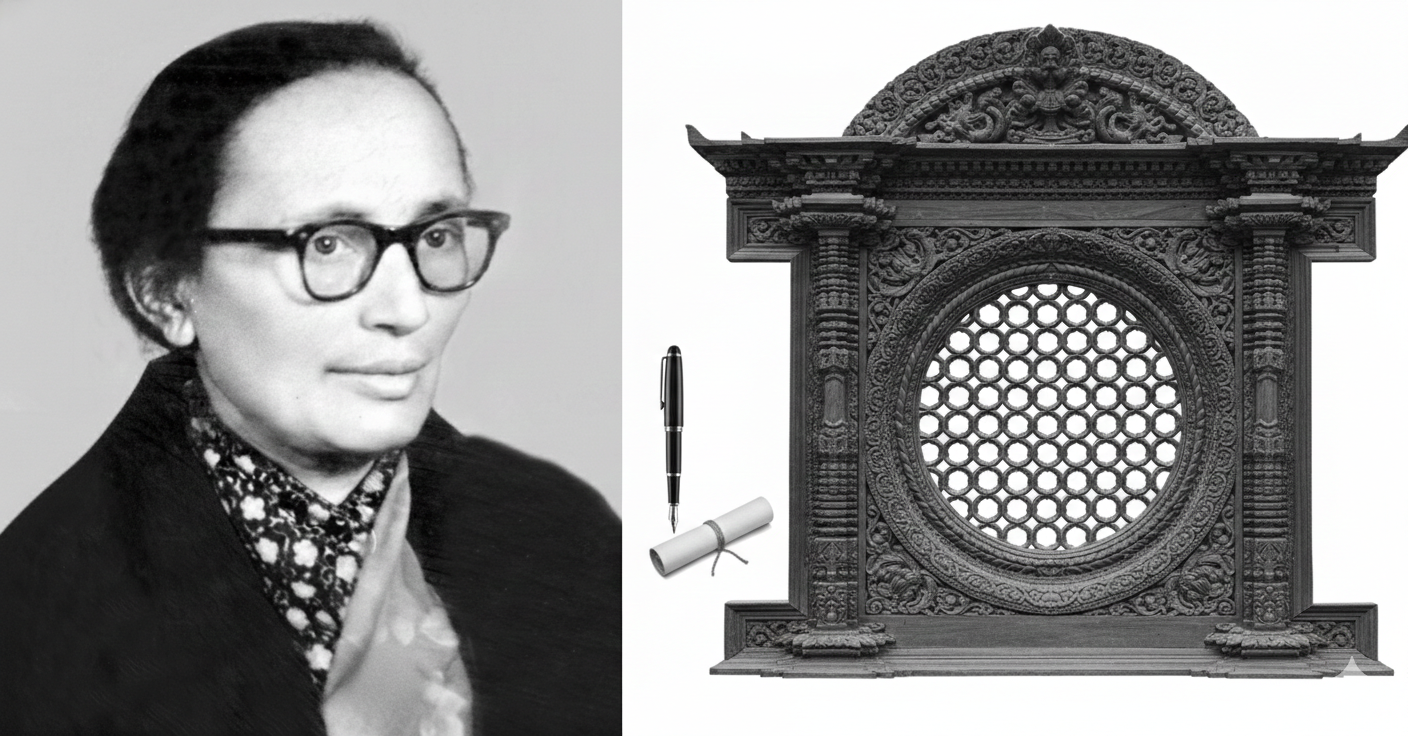
When Bijay Malla says he sees Hira (Heera) Devi's face every time he receives a Tika, he is describing a powerful psychological association. In Hindu and Nepali culture, the Tika is a symbol of blessing, protection, and victory.
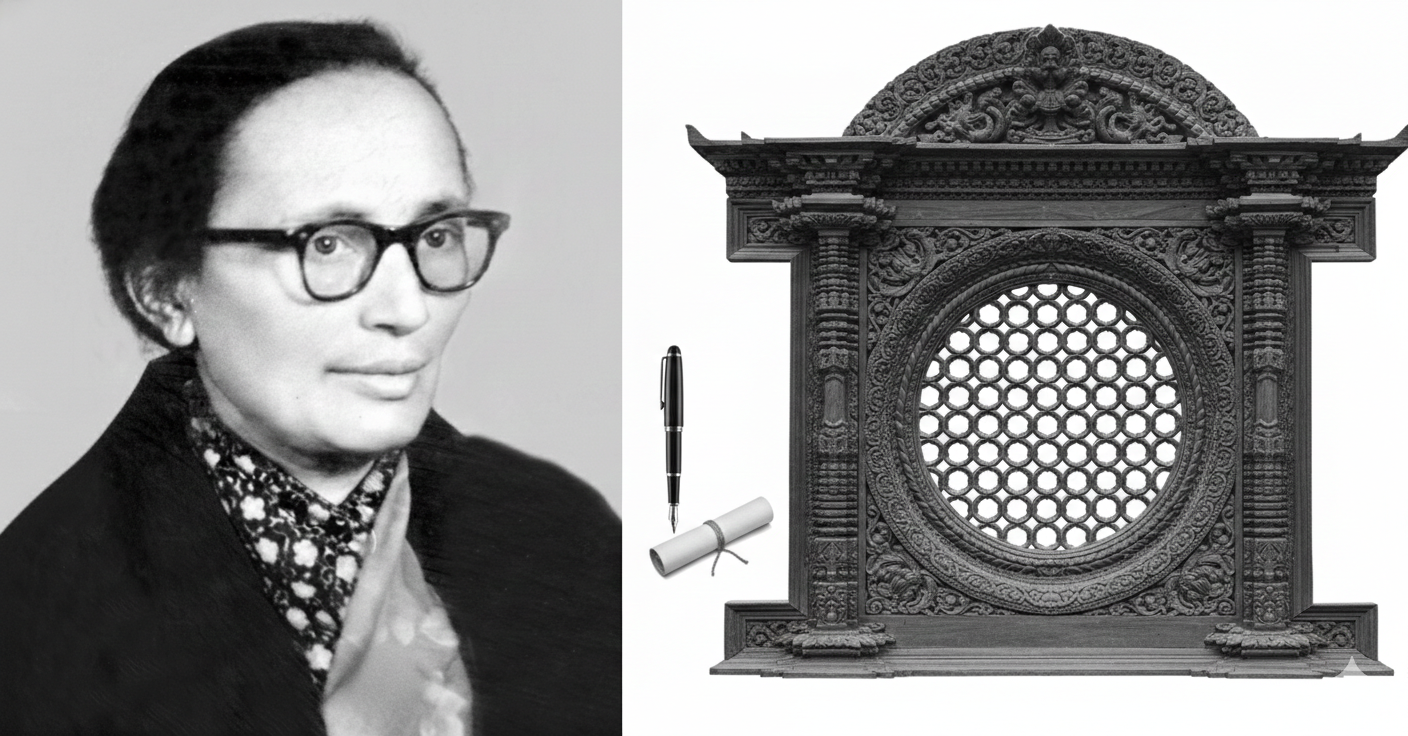
नेवारी कला, संस्कृतिको गर्भिलो इतिहास र रहस्यमय आँखिझ्याल
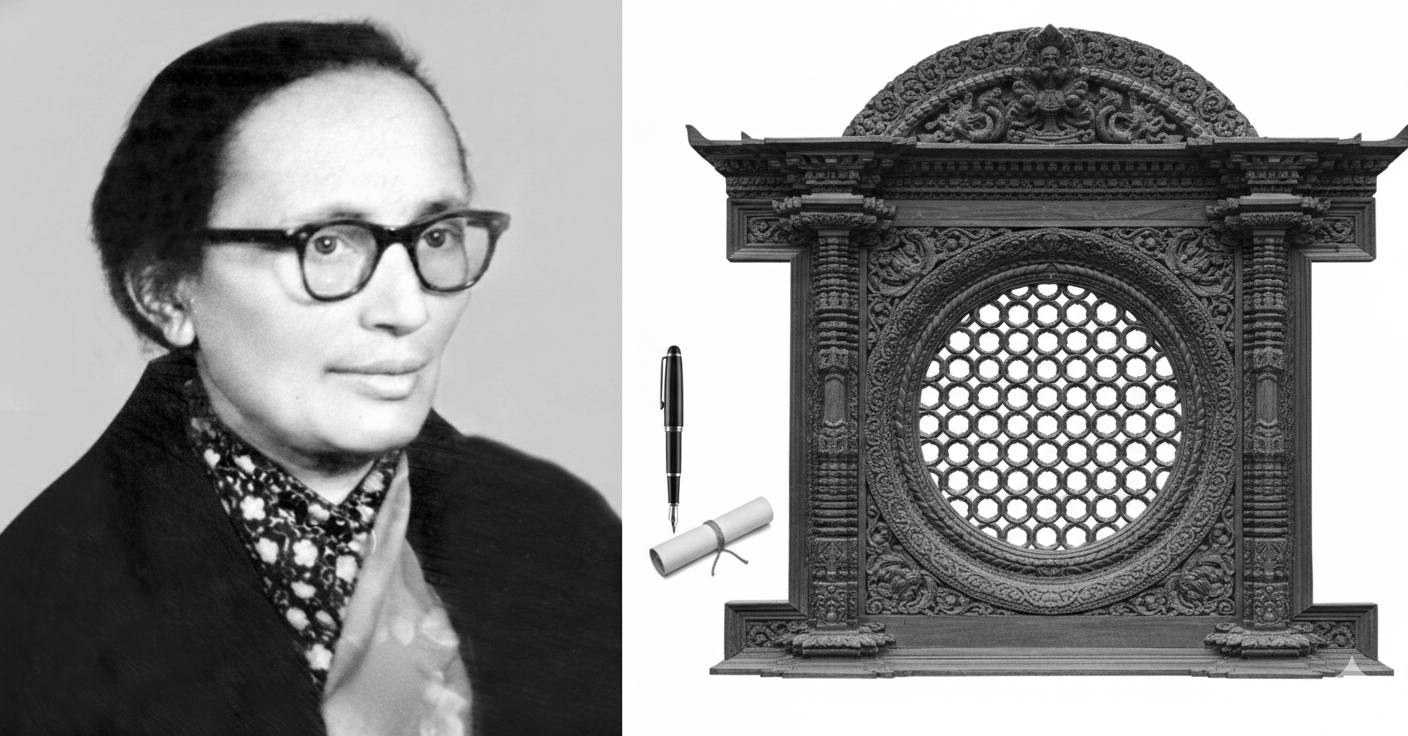
Beyond the Lattice: Heera Devi’s Rebellion Against the Silent Window
That is the legacy of Heera Devi Yami and Dharma Ratna Yami. They showed that real social change does not only come from laws or leaders. Sometimes, it begins at home—when someone decides that equality will not stop at the doorstep.
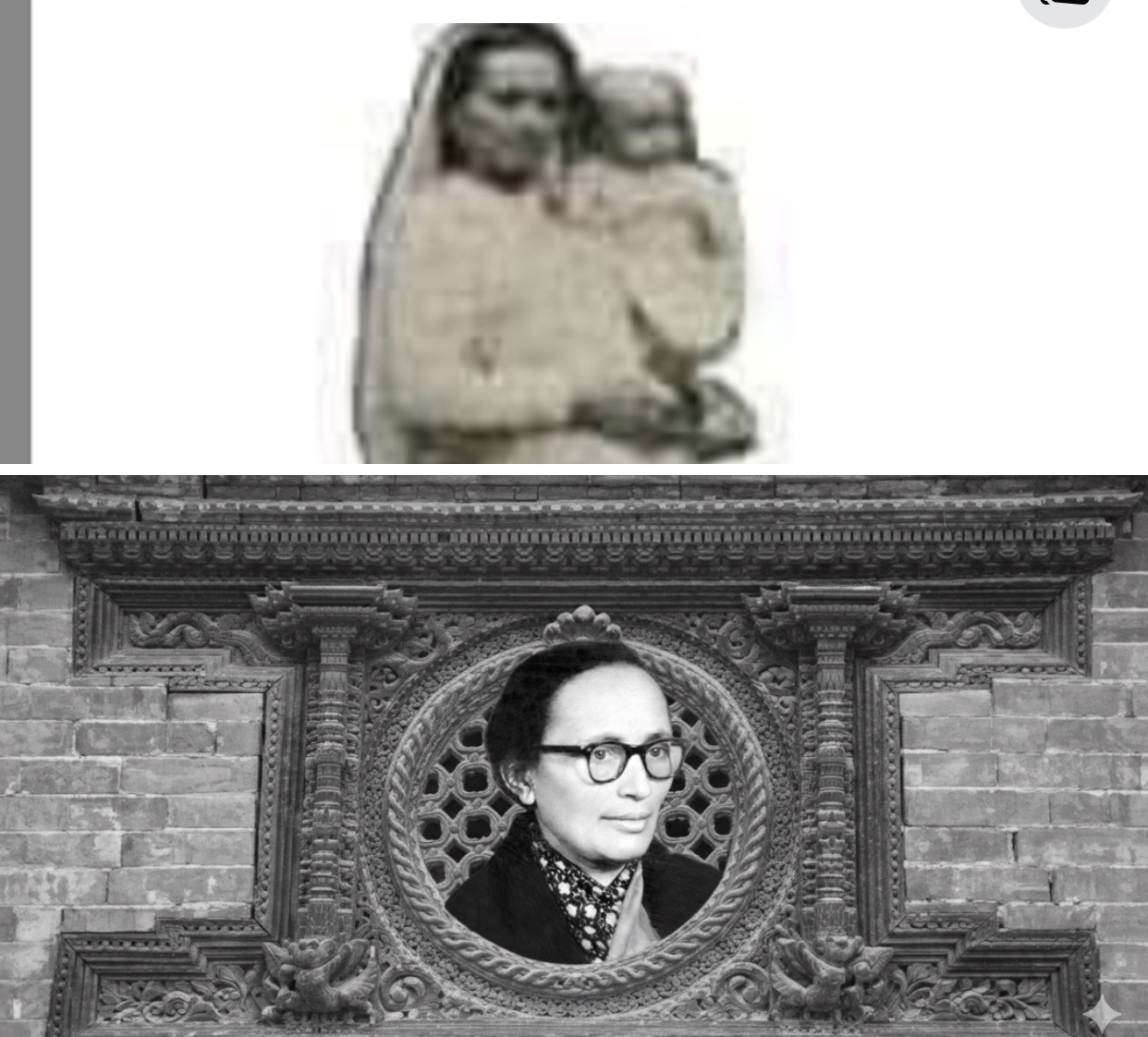
My mother Heera Devi Yami used to encourage young people to stay connected to political life, to enter political struggles consciously, and to be ready to face hardship and opposition. She knew political participation in Nepal was neither safe nor comfortable, but she believed that meaningful national development required people who combined technical knowledge with political courage.