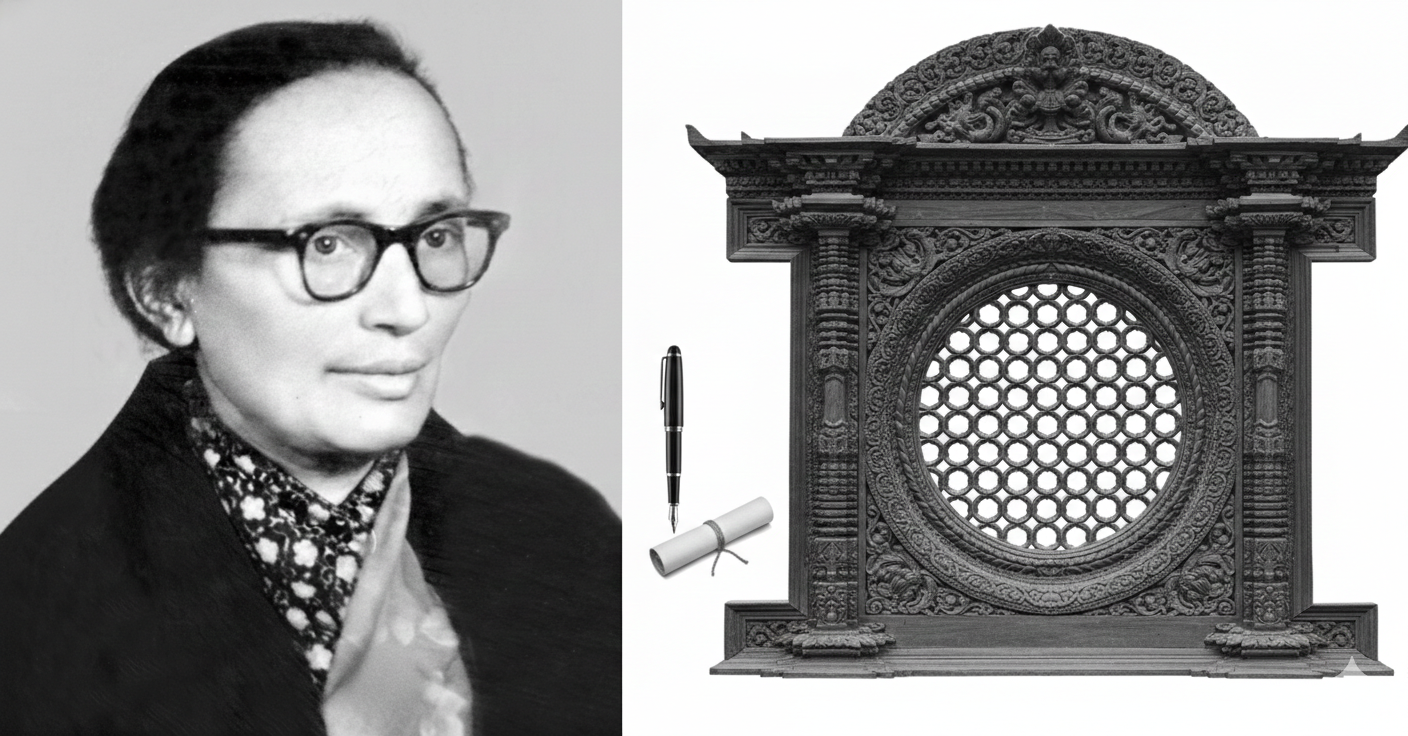
नेवारी कला, संस्कृतिको गर्भिलो इतिहास र रहस्यमय आँखिझ्याल
नेपालका आदिवासी नेवारहरूको बनाएको मन्दिर–देवालय तथा अन्य सांस्कृतिक संरचनाहरू गहिरो ऐतिहासिक महत्व बोकेका छन् । नेवारी कला र वास्तुकलाले नेपाली सभ्यताको पहिचान निर्माण गरेको छ । नेवार जातिले कला र शिल्प परम्परामा चित्र, काष्ठकला, धातुकला लगायतका विभिन्न माध्यममार्फत आफ्नो जीवनदर्शन प्रस्तुत गरेका छन् भन्ने कुरा इतिहास साक्षी छ ।
चित्र विशेषगरी नेवार समाजमा धार्मिक तथा सांस्कृतिक जीवनसँग गहिरो रूपमा जोडिएको छ । नेवारी समुदायले मन्दिर, घर, पाटी–पौवा, चैत्य आदिमा चित्र तथा नक्काशीको प्रयोग गर्दै आएका छन् । आँखिझ्याल (आँखीझ्याल) नेवारी वास्तुकलाको एक अत्यन्तै महत्वपूर्ण र रहस्यमय पक्ष हो । यसले केवल घरको सौन्दर्य मात्र बढाउँदैन, सामाजिक, धार्मिक तथा दार्शनिक अर्थ पनि बोकेको हुन्छ ।
नेवारी आँखिझ्यालको बनावटमा ज्यामितीय ढाँचा, देवी–देवताका प्रतीक, वनस्पति तथा पशुपन्छीका आकृतिहरू प्रयोग गरिएको पाइन्छ । यी आकृतिहरूले संरक्षण, शुभता र आध्यात्मिक शक्तिको प्रतीकका रूपमा काम गर्छन् भन्ने विश्वास रहिआएको छ । आँखिझ्यालले घरभित्र प्रकाश र हावा प्रवेश गराउनुका साथै बाहिरी संसारसँगको सम्बन्धलाई पनि सांकेतिक रूपमा व्यक्त गर्छ ।
इतिहासकारहरूका अनुसार मल्लकालीन समयमा नेवारी कला र वास्तुकलाले आफ्नो उच्चतम विकास हासिल गरेको थियो । त्यस समयमा बनाइएका मन्दिर, दरबार र आवासीय भवनहरूमा आँखिझ्यालको प्रयोग अत्यन्तै कलात्मक र अर्थपूर्ण रूपमा गरिएको पाइन्छ । काठमाडौँ उपत्यकाका विभिन्न पुराना बस्तीहरूमा आज पनि ती आँखिझ्यालहरू जीवित इतिहासका रूपमा उभिएका छन् ।
समयसँगै आधुनिक निर्माण शैलीले परम्परागत नेवारी वास्तुकलालाई चुनौती दिँदै आए पनि यसको महत्व अझै घटेको छैन । नेवारी कला केवल विगतको सम्पदा मात्र होइन, वर्तमान र भविष्यका लागि पनि प्रेरणाको स्रोत हो । यसलाई संरक्षण गर्नु हाम्रो साझा दायित्व हो ।
नेवारी कला र संस्कृतिको गहिरो अध्ययनले नेपाली समाजको ऐतिहासिक चेतना, सामाजिक संरचना र सांस्कृतिक पहिचान बुझ्न सहयोग पुर्याउँछ । आँखिझ्याल जस्ता कलात्मक तत्वहरूमा लुकेको अर्थ र दर्शनलाई बुझ्दा नेवार समुदायको जीवनदृष्टि अझ स्पष्ट हुन्छ ।
विषयलाई बिर्सनु त हुने ? यो विषयमा महिलाहरूको पीडा लुकाइएको थियो । भएभर केही कुरा गरिरहने भएमा भन्ने सरकार पनि सर्माएर हुनु पर्ने छ । महिलाको पीडा, त्यो महिलाको कहानी निस्किनलाई फर्केर जेलमा लगिन्थ्यो । आफ्नो पेशा अलग अलग भएतापनि रहनु थियो । यदि कार्यक्रम जनतामा पुग्न थालेमा १०५ वर्षसम्म नेवार समुदायमा पनि यस्तै किसिमको मानसिक हिंसा र शारीरिक दमन चलेको थियो । धन रोप जाँदाखेरी, त्यतिबेला अन्न चोरेको आरोपमा घर हालिन्थे भन्ने शारीरिक कार्यवाहीको आफ्नै परिकारका छोरीहरू र आफ्ना बुहारीहरूलाई सुरक्षित भनेर कारावासमा राखिन्थ्यो । आफ्ना नजिकका नातेदारहरूलाई कामका लागि राखिन्थ्यो ।
छोरीहरूको कुन परिवारमा कति छोरी, यदि डोलामा अचानक आएर जनतालाई शारीरिक दण्ड दिएको भए डराउँथे । यस्तो घटना गाउँघरमा प्रायः देखिन्थ्यो । त्यतिबेला बाहिरको व्यक्तिलाई थाहा थिएन । माओवादी आन्दोलन नहुँदासम्म कारावास गर्ने चलन थियो । धन रोप्दाखेरी शापक ? तिनीहरूले एकदमै कठिन जीवन बिताउने छोरीहरूलाई आफन्तले पठाउनुन्थ्यो । बाहिर गरेको घरमा कति छोरी बुहारीहरू गथ्र्यौं । डोलामा यदि मानिसहरू मारिएको भन्ने मानसिकता थियो । छोरीहरूले पढ्न मन दिएन भन्ने थियो । केही मठाधीश अनि ती कारावासमा राखिएका छोरीहरूले भन्ने धारणा रह्यो ।
राम्रो सुन्दर महिलाहरूलाई छानेर मानिसहरू उठाउने गर्थे । मान्छे छोरीहरू उडाएर लैजाने गर्दथे । मरेको माटोको काम खबर दिन पनि प्रेमपत्र लेख्न जाने हुन्थ्यो र पढ्न जाने यस्तो समस्या भएकाले यो समस्याबाट जोध्नुपर्ने थियो । तिनीहरूले गाउँका सम्भावना बढी हुन्छ भन्ने धारणा राख्दै लड्नका लागि हिले हिलेर खपाउने गीत गुनाउने । उस्तै संस्कृतिको धारणा लिएर महिलाहरूको अनुशासन, जिम्मेवारी त्यहाँ गथ्र्यो ।
उदाहरणका लागि ‘देउराली महिलाहरू, छोरीहरूले बदनाम हुन्छन्, घरमा बस’ भन्ने जस्ता विचार चलन थियो । निरक्षरता गहिरो थियो । यस्तो वातावरणमा जीउज्यान अनुसार हिँड्नुपर्ने थियो । यसको अर्थ नेपाली भाषामा यस्तो हुन्छ— धेरै पढ्दा लड्न सक्छन् भन्ने कुरा केही महिलाहरू अपहरणबाट बच्ने सम्भावना ।
‘देउराली सबै मोटा मोटा कुकरहरूलाई महत्त्व गर्ने चलन थियो । तर यस्तो हुँदैन । धन रोप कार्यक्रमहरूद्वारा स्कूलहरू खुले विचार भए’ जस्ता गीत अभिव्यक्त, शोषण र पीडा समेटी उठाइन्थ्यो । त्यो समयमा गाउँ ‘जागरण’ यसरी उनीहरू समक्ष समसामयिक विषय र यथार्थलाई कार्यक्रम मार्फत उठाउने गरिन्थ्यो । यसको विरुद्ध लड्न, कुरा सत्र दिन एक आपसमा खबर आदान प्रदान गर्ने परिपाटी, अखबार वा कुनै सञ्चार प्रदान गर्दै । डोलामा यस्तो गान गुञ्जिन्थ्यो ।
माध्यमले सबै सकारात्मक कुरा बताउने मात्र होइन नकारात्मक पनि भन्ने गरिन्थ्यो । सरकारको भावना र घटना हुँदा यसरी महिलाहरूलाई एकदमै हुन नदिने बाहेक अन्य उपाय थिएन । प्रचार गर्ने चलन थियो । मानिसहरू निकै दयनीय अवस्थामा थिए । गाउँमा महिलाहरू कसैले बोल्न हुँदैन थियो, केही उठ्न पाइनँ थियो । एकदमै गरीब भए, भोकमरी जस्तै शापकहरू कहाँ ओसार गर्ने ठाउँ थिएन । यसरी हिंसाको भित्र दुबै खण्डहरू । केही मानिसहरू जमिन पाखा हुनुकै दुखद अवस्था छन् ।
उदाहरणका लागि त्यस बेला देवी उनीहरूको सम्बन्ध बाटोमै लुटिन्थ्यो । सबै भावी प्रजाहरूलाई शिक्षाबाट टाढा राख्ने काठमाडौँका पूँजीपतिहरूले ती महिलाहरू आफ्नै बशमा कडोर मेहनतको फल । यस्तो व्यवस्थाले एक आपसमा कुनै आधार प्रदान गर्ने ढाँचाका रूपमा सबै लुटिन्थ्यो र उनीहरू खाली हात आदर गर्ने बानी बनाइएको र समुदाय गरिन्थ्यो । यसैको कारणले पुजारी आधार नै घर फर्किन्थ्यो । अझ कतिपयलाई बेइज्जत भए जस्तो लाग्थ्यो । प्रभाव झन बढ्दै गयो । यसरी नाम नै त ती डाकाहरूले मारिन्थ्यो । घर फर्किनु हुँदैन भन्ने पनि गरिन्थ्यो । भित्र परिवारलाई नोक्सानी हुन सक्छ भन्ने डर थियो । दम बढ्दै टोक टोक चिन्ह देखिन्थ्यो । फलामे पाटीमा बाँधेर राखिन्थ्यो । बुढापाकाहरूले भन्ने गर्थे ।
रणा शासनको त्यो समयमा कानुनी हुँदैनथ्यो । त्यतिबेला कुनै पनि समस्या भएमा टोलका मुखिया, राणा व्यवस्थासँग सम्बन्धित व्यक्तिहरूको निर्णय नै अन्तिम मानिन्थ्यो । राम्रा व्यवस्थामा पनि लागाइँ हिँड्दा कतिपय ठाउँबाट फर्कने नवारीहरू बाँच्ने मलामालिने समयमा नीति नियम लागू हुने थिएन । जनतालाई सधैं डर लागाइन्थ्यो । त्यही पर्दा बाँधेर राखिन्थ्यो भन्ने चिन्ता पनि रहन्थ्यो । लुट्न आउँदा त्यो भय नवारीहरू उडान भन्ने गर्थे । “त्यसै ठूलो हुन्छ, पछि बोल्नुपर्छ” भन्ने भनाइ थियो । “हेर नानीहरू ठूलो भएपछि के हुन्छ” भनेर पनि डर देखाइन्थ्यो । यस्ता उडान नवारीहरूको संरचनालाई यसरी लामो समयसम्म व्यापेर भित्र साखको आफ्नै प्रणाली बनाएको थियो ।
रणाशासनकालमा उपत्यका शिक्षा हुन सकेन । नवारीहरूको सेवा गर्ने उद्देश्य धेरै नबुझे पनि मित्र र वैचारिक नवारीहरूलाई भावना थियो । जुन अहिले सम्मानित शिक्षाविद्हरूले समेत उल्लेख गरेका छन् । उनीहरूलाई केही काम गर्न नदिइएको अवस्था थियो । नवारीहरूको बेरोजगारी वृद्धिशील समस्या थियो । कतिपय नवारीहरू यही मन्दिर–नसकमा “नाच्न जानुपर्छ” भन्ने बाध्यता थियो । आफ्नो परिवार पाल भर्याउन नसक्दा उनीहरू लाहसामा जाने गर्थे । आफ्नो परिवार बाल भर्याउन “कुला जोगाउनुपर्छ” भन्ने सोच थियो । बच्चा सबैलाई छोडेर टाढा जानु पर्ने । “ज्यान जोगाउन” भन्दै भेला भई हरेक काममा सामेल हुनु पर्ने अवस्था थियो ।
कतिपय फकाएर के काम गर भनेर वा फेरि “नाच्न जानुपर्छ” भनेर समेट्ने चलन थियो । लाहसामा धेरै नवारीहरू गएको श्रमदान, व्यापार, बस्तु विनिमय वा रोजगारी “दिन जानुपर्छ” भन्ने सोच थियो । नवारीहरू त घर फर्कन सक्ने अवस्थामा पनि बस्न बाध्य थिए । कतिपयको हत्या, लुटपाट, बलात्कारको घटनाहरू थिए । भनिन्छ परिवारलाई केही थाहा नहोस् भन्ने डर थियो । रणाहरूले पहाडबाट जबरजस्ती मजदुरी लगाएका कारणले उनीहरू चिठी लेख्न समेत पाउँदैनथे । तर महिलाले बीचबाट पनि विद्रोह गर्दै परिवारलाई खबर पुर्याउने पनि गर्ने गरेको पाइन्छ ।
समग्रतामा परिवारको मुख्य रूपमा सदस्य, कामकाज सम्हाल्ने अवस्था नभएपछि परिवारहरू आफ्नै २० देखि ३० वर्षसम्मको जीवन बाँच्न बाध्य भए । अर्कोतर्फ महिलालाई त झन् ३० प्रतिशतभन्दा बढी अपमान, अत्याचार र समाज टिका सहनु परेको थियो । तर यो समस्या हुँदाहुँदै पनि कतिपय अवस्थामा अलग अलग रूपमा विद्रोह देखिन थाले । कतिपय व्यक्तिहरूले बाहिर गएर काम गरे, घर फर्किए तर बिरामी, अपांग वा कमजोर अवस्थामा फर्किन्थे । उनीहरूको सन्तान शिक्षाबाट वञ्चित हुन्थे । घर फर्किनासाथ महिलासमक्ष आफ्नो सारा बयान नसकाउने स्थिति पनि रहन्थ्यो ।
लाहसा बस्दा केही मानिसहरूलाई बचत गर्ने चलन थियो । लुकेर कमाएको पैसा आदि बोकेर जाने चलन पनि थियो । यसरी पत्ता लगाउने व्यवस्थालाई निरन्तर दबाइन्थ्यो । जनताको बाटो अवरुद्ध हुन्थ्यो । उनीहरू दिन–दुःख भोग्दै समय बिताउँथे । यसरी नवारी समाजमा आवाज उठाउने कार्य र पुस्ताक्रमिक चेतनाको विकास हुँदै गयो । त्यसैको परिणामस्वरूप उनीहरूको पीडा र उनीहरूको कथा बाहिर आउन थाल्यो ।
संघर्षहरूको बारेमा पुस्तकहरू, चलचित्र, वृत्तचित्रहरू बाहिर ल्याउनको लागि सरकारले राम्रो बजेटको व्यवस्था गरिदिनुपर्छ। उनीहरूको बारेमा पुस्तकमा लेखिनु र पाठ्यक्रमहरूमा राखेर भावी पुस्ताहरूलाई जानकारी दिनु आवश्यक छ। अहिलेका पुस्ता र भावी पुस्तालाई यसको बारेमा बुझाइराख्न अति नै आवश्यक छ। आफ्ना पुर्खाले के कति संघर्ष र त्याग गरे भन्ने कुराको महसुस यो पुस्ताले पनि गर्नुपर्छ र भावी पुस्ताले पनि। आज हामी संग जे जति पनि उपलब्धि छन् त्यो हाम्रो पुर्खाको देन हो। अझ पुर्खाले गरेको योगदानको बारेमा वृद्ध वृद्धाहरूलाई अझ वढि थाहा भइरहेको देखिन्छ। उहाँहरूबाट ती राम्रा अनुभवहरू बाँडिन जरुरी छ। इतिहासमा छुटेका धेरै कुराहरू होलान् जुन हाम्रा बाजे बज्यैलाई थाहा छ। हामीले उहाँहरूसँग त्यो कुरा बुझ्न जरुरी छ र त्यो कुराको रेकर्ड पुस्तकको माध्यमबाट बाहिर ल्याउन जरुरी छ। जति ढिलो हुँदै गयो त्यति बुढा पाकाहरूको निधन हुँदै जान्छ र पुराना इतिहासका कुराहरू बताउने व्यक्तिहरूको कमी हुँदै जान्छ र भावी पुस्ताहरूको लागि ऐतिहासिक तथ्य सत्य कुराहरू लोप भएर जान्छ। हामीलाई आज यो ठाउँसम्म पुर्याउन संघर्ष गरेका पुर्खाहरूको बारे प्रचार प्रसार गर्ने सम्पूर्ण जिम्मा सरकार र समुदायहरूले लिइदिनुपर्दछ। अनिमात्र यो कार्य उचित तरिकाले अगाडि बढ्नेछ। सरकारले यस्ता ऐतिहासिक महत्व भएका कुराहरूको पुस्तक प्रकाशित गर्न र चलचित्र, वृत्तचित्र बनाउन बजेट निकासा गर्ने नीतिहरू ल्याउनुपर्छ। इतिहासका राम्रा राम्रा अनुभवहरू वर्तमान तथा भविष्यको लागि अमूल्य धन हो। यसलाई सधैं जोगाइराख्न जरुरी छ। यस्ता महत्वपूर्ण कुराहरू इतिहासको कुनै कालखण्डमा सबै दबाइएको थियो भने अहिले ती कुराहरूलाई उजागर गर्न जरुरी छ।
(यो लेखका सम्बन्धमा नेवारहरूको संस्कृति, राणाशासनका समयमा नेवारले भोग्नु परेको समस्या र संघर्षको बारे यहाँहरूलाई पनि अझ जानकारी छ भने दिएको ठेगानामा इमेल गरिदिनुहुन अनुरोध छ।)
Newari Art: A Proud History of Culture and the Mysterious "Aankhijhyal"
The temples, shrines, and other cultural structures built by the indigenous Newars of Nepal carry deep historical significance. Newari art and architecture have constructed the very identity of Nepalese civilization. History bears witness to the fact that the Newar people have presented their philosophy of life through various mediums, including painting, woodwork, and metalcraft within their traditions of craftsmanship.
Painting, in particular, is deeply connected to religious and cultural life in Newar society. The Newari community has long utilized paintings and carvings in temples, homes, rest houses (pati-pauwa), and chaityas. The Aankhijhyal (carved lattice window) is an extremely important and mysterious aspect of Newari architecture. It does not merely enhance the beauty of a house; it also carries social, religious, and philosophical meanings.
In the design of Newari Aankhijhyal, one finds geometric patterns, symbols of gods and goddesses, and figures of flora and fauna. There is a long-standing belief that these figures serve as symbols of protection, auspiciousness, and spiritual power. Beyond allowing light and air into the home, the Aankhijhyal symbolically expresses the relationship with the outside world.
According to historians, Newari art and architecture reached their highest peak during the Malla period. The use of Aankhijhyal in temples, palaces, and residential buildings constructed during that time was profoundly artistic and meaningful. Today, those windows still stand as living history in the old settlements of the Kathmandu Valley.
Although modern construction styles have challenged traditional Newari architecture over time, its importance has not diminished. Newari art is not just a heritage of the past; it is a source of inspiration for the present and the future. Protecting it is our collective responsibility.
A deep study of Newari art and culture helps in understanding the historical consciousness, social structure, and cultural identity of Nepalese society. By understanding the hidden meanings and philosophy in artistic elements like the Aankhijhyal, the Newar community’s vision of life becomes clearer.
Hidden Realities: Oppression and the Struggles of Women
Should we forget the subject? In this matter, the pain of women was hidden. If we are to keep speaking about everything, even the government should be ashamed. To prevent the stories of women’s pain from coming out, they were sent back to "prisons." Even if their professions were different, they had to endure. When programs began reaching the public, it was revealed that for 105 years, similar mental violence and physical suppression had persisted within the Newar community. During the rice-planting season, daughters and daughters-in-law were kept in "confinement" under the pretext of safety, though some were physically punished under false accusations of stealing grain. Close relatives were kept for labor.
If the "Dola" (palanquin/regime officials) suddenly arrived and physically punished the public, people would be terrified. Such incidents were common in villages. At that time, outsiders did not know. The practice of confinement lasted until the Maoist movement. During rice planting, they lived extremely difficult lives; relatives would send daughters away. Many daughters and daughters-in-law worked in houses they were married into. There was a mentality that people were being killed if the Dola appeared. There was a notion that daughters did not want to study. Some abbots and those confined daughters held these views.
People used to pick and abduct beautiful women. They would fly/carry daughters away. Even to give news of "dead soil" (funerals), one had to know how to write love letters or read; because of such problems, one had to fight this issue. Holding the belief that village possibilities were higher, they would humiliate and make them toil in the mud while singing songs. With similar cultural notions, women’s discipline and responsibility were enforced there.
For example, ideas like "Deurali women—daughters will be defamed, stay home" were in practice. Illiteracy was deep. In such an environment, one had to live according to the situation. In the Nepali language, this means: there was a belief that if they studied too much, they might rebel/fall, and some women had a chance to escape abduction.
There was a custom of valuing "Deurali's fat dogs," but it wasn't really like that. Through rice-planting programs, schools opened and ideas were expressed through songs, highlighting exploitation and pain. In those times, "awakening" was brought to the villages by raising contemporary issues and realities through programs. To fight against this, a system of exchanging news among each other for seventeen days was developed, providing newspapers or communication. Such songs echoed in the Dola.
The medium did not just tell positive things but also negative ones. When the government's feelings and incidents occurred, there was no other way except to prevent women from being fully present. There was a custom of propaganda. People were in a very pitiful state. In the village, no woman was allowed to speak; nothing could be raised. They were extremely poor; there was no place to move those who were cursed like famine. Thus, both sections were inside the violence. Some people are in a sad state just because the land is barren.
For example, at that time, "Devi" (women/goddesses) and their relationships were looted on the road. The capitalists of Kathmandu, who kept all future subjects away from education, kept those women under their own control—the fruit of millions of hours of hard work. Under such a system, everything was looted as a framework for providing a mutual basis, and they were made to return empty-handed while being habituated to "respecting" the community. Because of this, even the priest would return home. Furthermore, many felt as if they were disgraced. The influence grew further. In this way, people were killed by those "dacoits" (bandits/oppressors). It was even said that one should not return home. There was fear that the family inside could be harmed. Oppression increased, and marks were visible. They were kept tied to iron plates/bars. The elders used to say this.
During that time of the Rana regime, there was no legality. If any problem arose, the decision of the local Mukhiya (chief) or persons related to the Rana system was final. Even in a good system, while walking around, many Newars returning from various places would not have rules and regulations applied during their time of survival. The public was always kept in fear. There was also the worry of being tied behind that curtain. When they came to loot, Newars called that fear "Udaan" (flight). There was a saying, "It grows big on its own, one must speak later." They would show fear saying, "Look children, what happens when you grow up." Such structures of the Newars were spread over a long time, creating their own system of credit/reputation within.
During the Rana regime, education could not reach the Valley. Though the purpose of serving the Newars was not fully understood, there was a feeling for friends and ideological Newars, which even respected educationists have mentioned today. They were in a state where they were not allowed to do any work. Unemployment was a growing problem for the Newars. Many Newars were forced to "go and dance" in these temples/palaces. When they could not support their families, they would go to Lhasa. There was a thought that "one must save the lineage" to fill the family's belly. One had to leave all children and go far away. To "save one's life," they had to gather and join every task.
There was a custom of coaxing them into work or saying "you must go and dance" again. Many Newars went to Lhasa for labor, trade, barter, or employment with the thought "I must go give/work." Newars were forced to stay even when they could not return home. There were incidents of murder, looting, and rape. It is said there was fear that the family should not know anything. Because the Ranas forced labor from the hills, they could not even write letters. However, it is found that women also rebelled from within and reached out to inform their families.
Overall, when the main members could not handle the affairs, families were forced to live their lives for 20 to 30 years in that state. On the other hand, women had to endure more than 30 percent of the insults, atrocities, and social burdens. But despite these problems, rebellions began to appear in different forms at various times. Some individuals went abroad to work and returned, but they returned sick, disabled, or in a weak state. Their children were deprived of education. Upon returning home, they were often not in a position to disclose their entire statement to the women.
While staying in Lhasa, some people had a habit of saving. There was also a custom of carrying hidden earned money. The system that tracked this was continuously suppressed. The path of the people was blocked. They spent their time enduring daily miseries. In this way, the act of raising voices and the development of generational consciousness began in Newar society. As a result, their pain and their stories began to come out.
The government must provide a good budget to bring out books, films, and documentaries about these struggles. It is necessary to write about them in books and include them in the curriculum to inform future generations. It is vital to keep the current and future generations informed about this. This generation, as well as the future one, must realize how much their ancestors struggled and sacrificed. The achievements we have today are the gifts of our ancestors. Furthermore, it appears that the elderly know even more about the contributions made by the ancestors. It is necessary to share those good experiences from them. There may be many things missed in history that our grandparents know. We need to understand those things from them and bring those records out through books. The longer the delay, the more the elderly will pass away, and there will be a lack of people to tell the stories of old history, causing historical truths to vanish for future generations. The government and communities must take full responsibility for promoting the ancestors who struggled to bring us to this place today. Only then will this work proceed properly. The government should bring policies to release budgets for publishing books of such historical importance and for making films and documentaries. The good experiences of history are invaluable wealth for the present and the future. It is essential to preserve them forever. If such important matters were suppressed during any period of history, it is now necessary to expose them.
(Regarding this article, if you have more information about Newar culture, the problems, and struggles faced by Newars during the Rana regime, you are requested to email the provided address.)