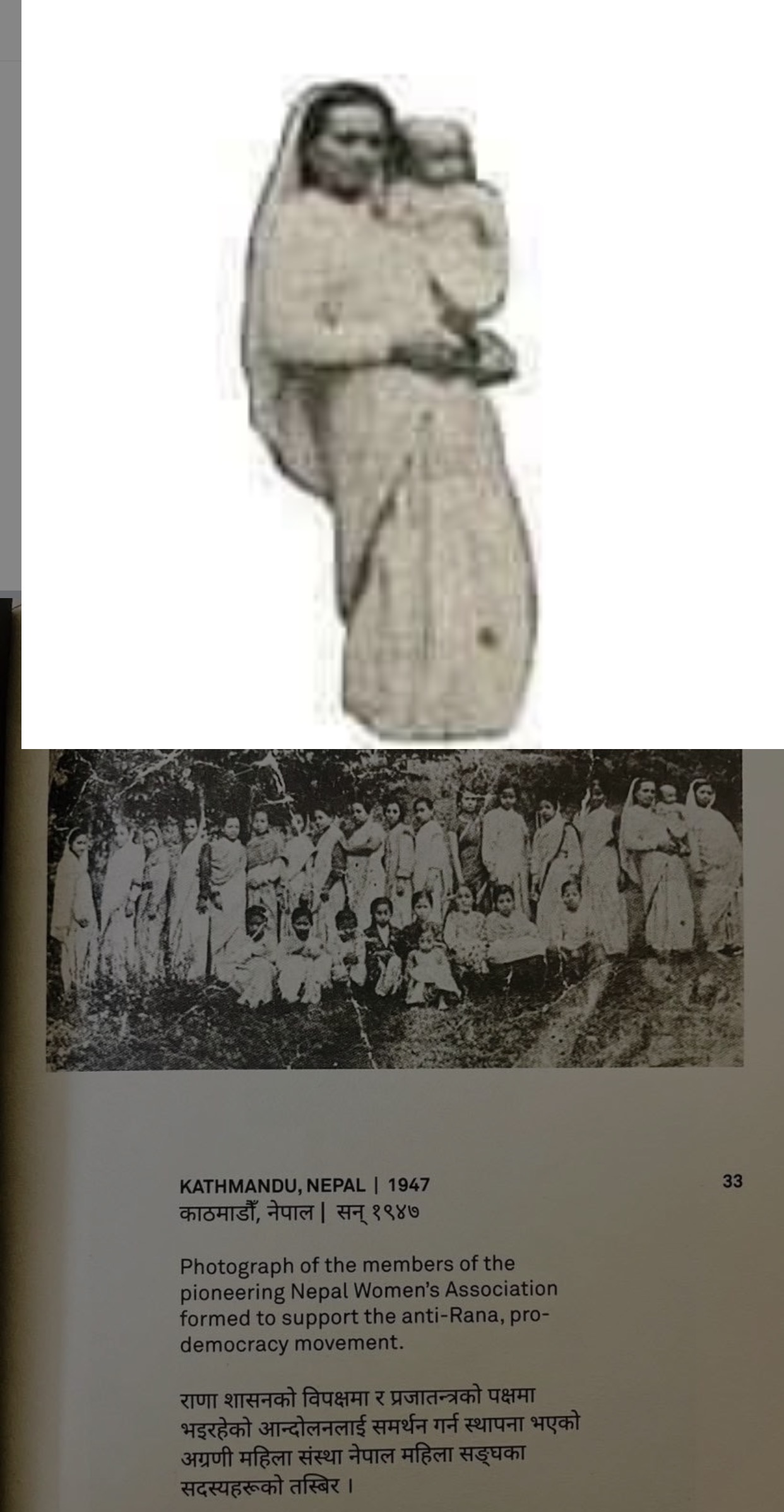
The Linguistic Defiance of Heera Devi Yami
Heera Devi Yami lived under heavy surveillance. During the Rana regime, she was arrested, tortured, and repeatedly threatened during interrogations. A teacher by profession, she was fluent in Nepali and used it to direct underground activists—a fact well known to the authorities. Yet, throughout every interrogation, she refused to speak the state language. No matter how harshly the questions were hammered at her, she replied only in Nepal Bhasa (Newari), her mother tongue and the indigenous soul of the Kathmandu Valley.
Her refusal was more than political resistance; it was linguistic defiance at its most intimate and dangerous level. By adhering to Nepal Bhasa, she challenged the state’s monolithic authority, knowingly enduring harsher torture as a consequence of her silence in the "official" tongue.
The Context: Rana Suppression
During the Rana dynasty, the state enforced centralized control by promoting Nepali (Khas) as the sole official language. This era was marked by the active suppression of Nepal Bhasa publications and the imprisonment of writers and intellectuals. In this climate, language was power. To speak or write in Nepal Bhasa publicly was viewed as an act of open sedition.
Transforming Interrogation into Resistance
Heera Devi Yami was self-educated and understood the gravity of her choice. Under authoritarian systems, interrogation is designed not just to extract information, but to break identity. By refusing to switch languages, she denied the state a symbolic surrender. This likely intensified her mistreatment because it directly challenged the state’s linguistic hegemony, it disrupted formal interrogation procedures and it was perceived as a deliberate humiliation of the ruling power.
The Unsung Women of the Underground
History often prioritizes male figures, such as the poet Chittadhar Hridaya, who was imprisoned for his writings. However, Heera Devi Yami were the backbone of the Rana regime overthrow movement. During Rana oppression, women carried clandestine messages and hosted secret meetings, shielded activists and hid banned manuscripts and taught in informal, "underground" schools in order to sustain underground movement. .
Her refusal to speak Nepali was an ideological statement: “You can control my body, but you cannot occupy my language.”
The Psychological Dimension
Interrogators rely on linguistic dominance to establish a hierarchy. When Heera Devi replied only in Nepal Bhasa, she shifted the power dynamic, forced the need for translation, and denied psychological submission. This form of resistance is mentally exhausting and physically perilous, yet it serves as a primary defense of cultural memory.
Why Oral History Matters
In Nepal—particularly under the Rana and later the Panchayat systems—many acts of defiance were never recorded because documentation was a death warrant. These stories survived in kitchens, courtyards, and through the memories of senior citizens.
Women are often erased from written history because they operated in these "invisible" networks rather than official political circles. However, in the Newar tradition, oral transmission is a legitimate archive. It preserves the emotional truth and the "wound" of repression that official state records seek to sanitize.
The Legacy of Dharma Ratna Yami
Dharma Ratna Yami (1915–1975), a central figure in the democratic struggle, served as a chronicler of this suppression. By documenting Heera Devi’s story, he moved it from the realm of "family legend" into the documented history of Nepal’s linguistic resistance.
Our ancestors were not passive victims; they were the quiet architects of cultural survival. Stories like Heera Devi’s deserve archival preservation, for they remind us that the survival of a civilization depends on the courage of those who refuse to stay silent—even when speaking their truth brings pain.