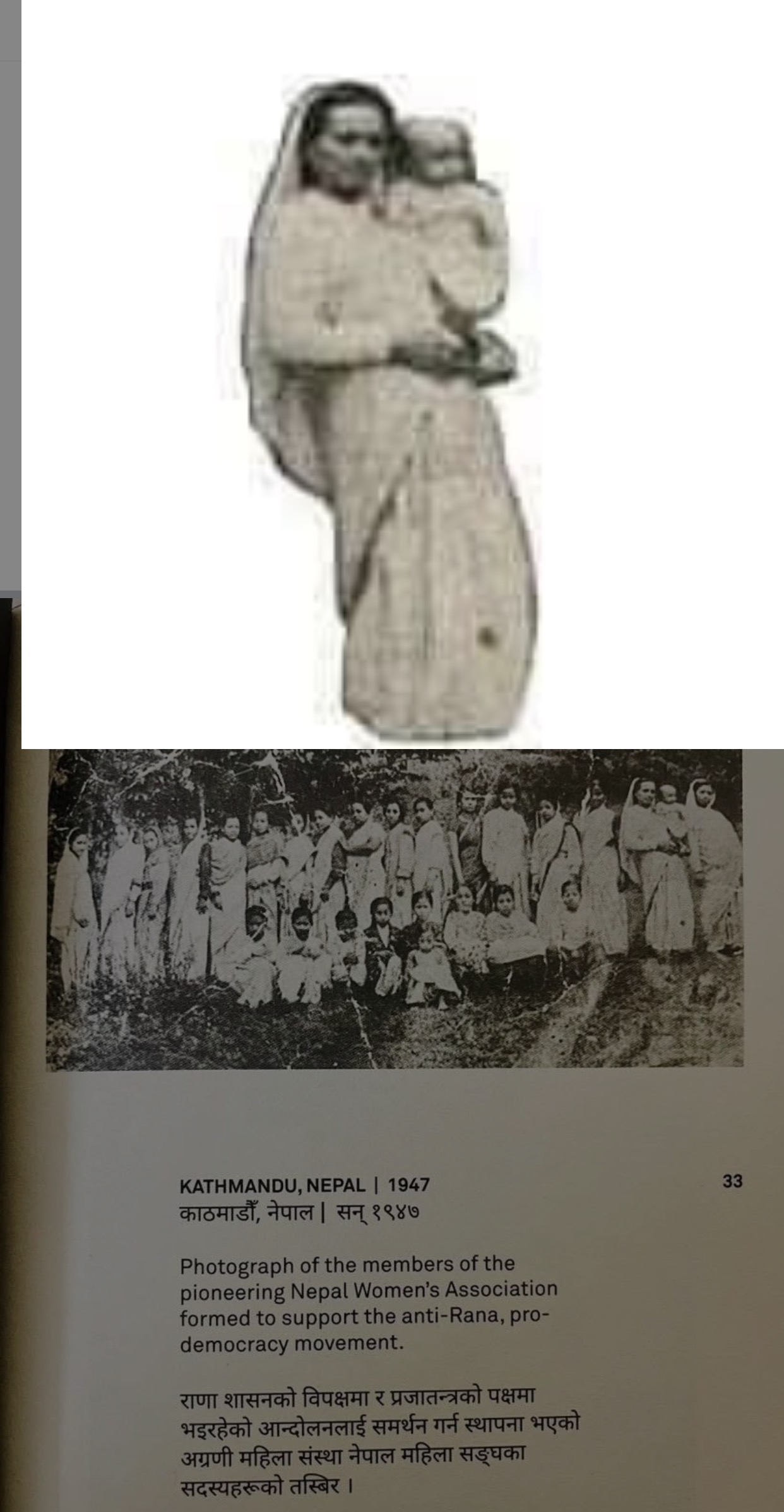
Based on historical records of the freedom struggle in Bihar during the early 1940s, specifically around the Quit India Movement (1942), the Mahila Gandhi Ashram activities in the region near Raxaul and Madhubani were central to local anti-colonial resistance. Heera Devi Yami was pregnant and had stayed there.
When we speak of Heera Devi Yami, her life was a testament to this exact philosophy. In the 1940s, amidst the hunger and danger of the freedom struggle, she had to feed her mind hope to survive.
This mastery of focus was not accidental; it was forged in the fires of the 1942 Quit India Movement. While pregnant and seeking refuge in the Mahila Gandhi Ashrams of Bihar, Heera Devi Yami lived alongside freedom fighters under the shadow of colonial threat. She learned early on that when the world is chaotic and the laws are used as weapons of oppression, the only true sanctuary is a clear, analytical mind. She didn't just bring back stories of the struggle; she brought back the architectural blueprints for internal freedom.
Under the Ranas, education was often viewed with suspicion, as it provided the tools for critical thinking and organized dissent. By establishing these community hubs, she created a "safe space" for revolution under the guise of domestic skill-building. Much like the Gandhian Khadi movement, teaching women to weave was a move toward self-reliance. It provided a level of economic independence that allowed these women to support the underground movement without relying solely on state-controlled resources. When she taught children, she wasn't just teaching them to read; she was building the next generation of thinkers who could look beyond the propaganda of the regime. The "stitching circles" acted as a perfect cover for intelligence sharing. A group of women gathered to sew was rarely seen as a political threat by authorities, yet these gatherings became the nerve centers for planning and growing the membership of the revolution.
The Nature of the Risk
This was indeed her highest risk. While hiding in Bihar was a struggle for survival, organizing the local populace was a direct challenge to the regime’s control. At the time, the regime employed a vast network of informants. Every new member she recruited was a potential security leak. By involving the community, she was responsible not just for her own life and her child’s, but for the safety of every woman and child she brought into the fold. The Ranas were known for their harsh crackdowns on any form of organized social movement. Transitioning from the philosophy of "internal freedom" to the mechanics of "external revolution" meant stepping directly into the crosshairs.