Faith without character is an empty vessel. Prayers and fasting are merely symbols; the reality of your spirit is proven by how you treat people, the integrity of your work, and your service to the world.
From childhood, daughters are often sent to temples. They are taught that piety is their primary virtue and that devotion is found within the walls of a shrine. In the 1960s, a time when education was a rare privilege, society judged a family's worth through the lens of tradition. It was believed that for six daughters to be "fit" for marriage, a mother had to demonstrate a deeply religious background. The temple was the stage where a daughter's future was negotiated.
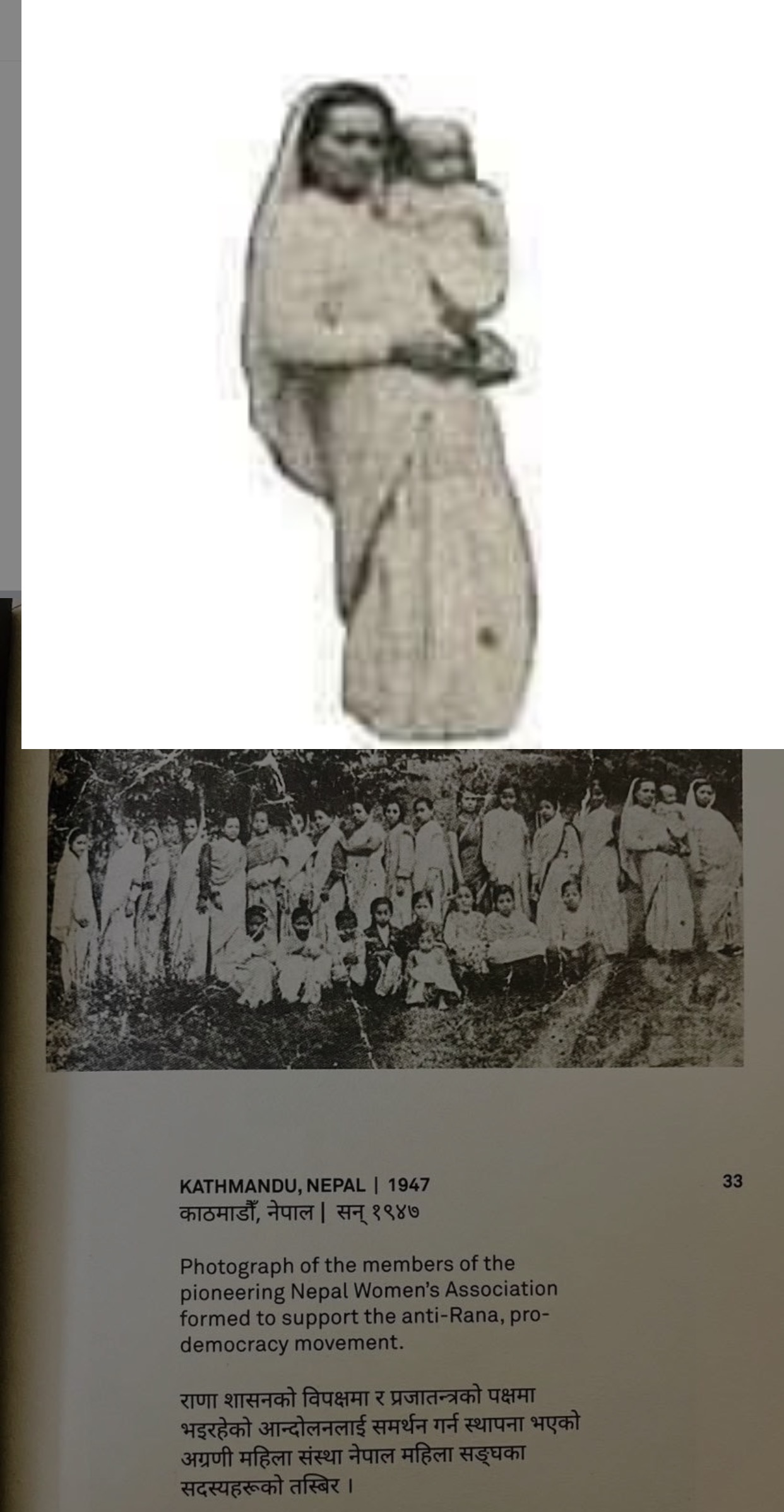
I grew up in Kathmandu, a city defined by its thousands of temples, yet I never saw my mother Heera Devi Yami pray or frequent those shrines. With a character of steel, she stood alone against the pressures of the 1960s. She was not scared that her six daughters would be rejected by society. She prioritized our integrity over social approval, refusing to let our futures be bargained for through performative piety.
While others were focused on rituals, my mother Heera Devi Yami was focused on political and social reform. She understood what many in that uneducated era could not: that the most sacred space is not behind a temple wall, but in the heart of a community that needs changing. She redefined what it means to be "marriageable." She taught us that a daughter’s true prospects are not found in the rituals she performs, but in her capability, her intellect, and her courage to lead. She gambled on our education when others gambled on our "purity."
To the families and the communities who have daughters: Look at the examples we set. If we want our daughters to be strong, we must show them that their value is not measured by their silence or their rituals, but by their contribution. True devotion is not a retreat from the world, but a deep, active engagement with it. It is the labor of our hands and the kindness of our hearts that mirror the true state of our souls.
Don’t tell me how you pray—show me how you work and how you treat your neighbor. Your rituals don’t define you; your relationships do. In the end, we are not remembered for the hours we spent in silent devotion, but for the lives we touched and the burdens we helped lift.
Let the legacy we leave for our daughters be written in the strength of our service and the integrity of our hands.