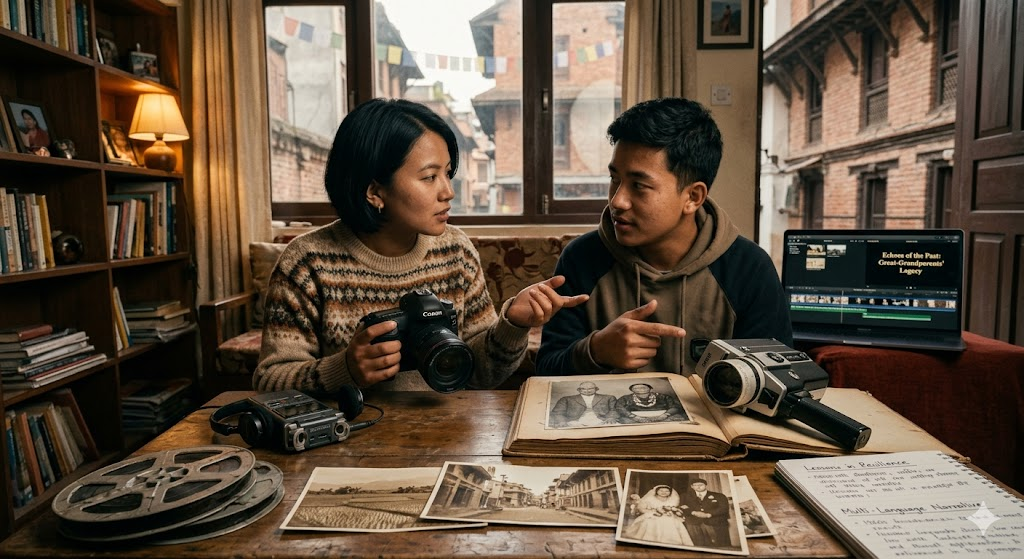
Documenting the lives of ancestors is a powerful way to bridge the gap between generations, especially when those stories are captured through the lens of modern filmmaking. Exploring the life learning experiences of great-grandparents offers more than just a family history; it provides a roadmap of resilience and values that often get lost in the digital noise of today.
Encouraging siblings to collaborate on these projects ensures that the critical thinking and wisdom developed over a lifetime continue to mentor the family for years to come. Here are five creative frameworks for these cinematic tributes
- The "Lessons in Resilience" Documentary
Rather than a standard chronological biography, this format focuses on the specific challenges ancestors overcame—such as wars, major social shifts, or personal hardships. The Goal is to demonstrate how their personal philosophy helped them navigate an era without modern safety nets. The Method is to use archival photos, voiceovers of their surviving letters or memoirs, and interviews with the oldest living relatives who remember them firsthand.
- The Multi-Language Narrative
Family legacies often span different regions and eras. Creating films that utilize the native languages of that time—whether Nepali, Nepal Bhasa (Newari), Hindi, or others—adds a profound layer of cultural authenticity. The Goa is to preserve the linguistic nuances, idioms, and "texture" of their daily lives. The Method is to record narration or interviews in the original tongue and use English subtitles to allow the story to reach a global audience while keeping the original spirit intact.
- The "Digital Dharma" Perspective
To resonate with younger, tech-savvy generations, the film can frame an ancestor's life through an ethical lens, examining the "moral compass" or "internal checklist" that guided their decisions. The Goal is to provide a blueprint for "human-led" living and ethical resilience in an increasingly automated world. The Method is to intercut historical anecdotes with modern-day reflections from siblings on how these old-world values apply to current technology and social ethics.
- Animation and Visual Storytelling
For eras where no video footage exists, animation or stylized recreations can be incredibly effective in filling the visual gaps. The Goal is to make the past feel vibrant, colorful, and relatable to grandchildren and great-grandchildren. The Method is to apply "Ken Burns" motion effects to old photographs or use simple digital sketches to illustrate scenes described in family memoirs and oral stories.
- The "Oral History" Podcast-Film Hybrid
Sometimes the most powerful films are built around raw, focused conversations rather than high-production scripts. The Goal is to capture the "unfiltered" truth and emotional resonance of their lived experiences. The Method is if audio recordings exist, use them as the backbone of the film. Support the audio with cinematic B-roll of the places they lived, the landscapes they moved through, and the heirlooms they touched.