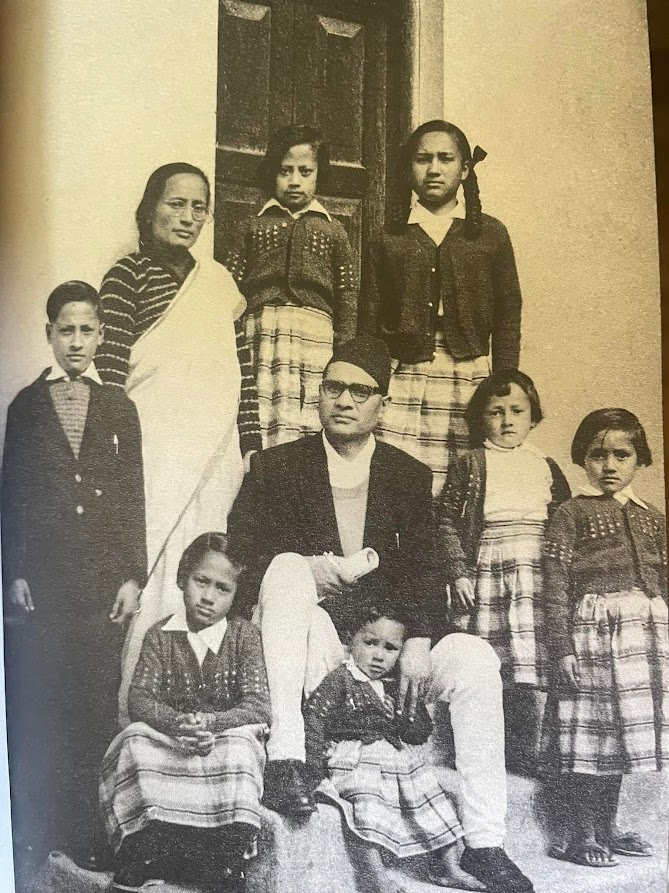
This photograph is more than a glimpse into domestic life; it reflects a lifetime of patience, skill, and selfless service expressed through the humble acts of spinning and knitting.
Heera Devi Yami came from a maternal family with strong trade links to Tibet. Raw wool brought by Tibetan traders from Lhasa travelled along Himalayan routes and entered her household, where it was transformed from a traded material into warmth and comfort for many.
In this image, she sits at a traditional hand-driven spinning wheel, engaged in a craft she had perfected over years. Her steady posture, bare feet resting firmly on the wooden base, and the confident movement of her hands show the ease and familiarity of long practice. This is not a staged moment, but a daily ritual of skilled work.
She never depended on market wool. From raw fleece, she undertook every step herself — cleaning, carding, spinning, and winding the thread into yarn. With this yarn, she knitted sweaters for her family and made heavy woolen blankets that protected against severe winters.
Yet her efforts reached far beyond her own home.
At a time when arrests and underground political activity affected many families, Hiradevi quietly shared her labor with those in need. She prepared blankets and woolens for prisoners, for underground activists, for families left without support, and for neighbors and relatives facing hardship. These gestures were not mere charity; they were expressions of solidarity and compassion. The warmth she created by hand found its way into prison cells and troubled homes, bringing comfort where it was desperately needed.
Her life embodied the spirit of self-reliance associated with that era. Without seeking attention or recognition, she lived the principle of swadeshi in practice — producing everything at home from raw material that arrived through age-old trade connections, free from dependence on industrial goods.
The spinning wheel before her is more than a household tool; it represents care, resilience, and quiet resistance. Through wool and thread, Heera Devi Yami became part of an unseen network of support that sustained people during difficult times.
Many senior underground activists who are still alive today recall the kindness of Heera Devi Yami during those difficult years. They remember that while they were in jail, she would give them small woolen covers that she had carefully stitched herself. Those who received her handmade woolen blankets still remember. In moments of hardship, such warmth is never forgotten.
Elderly women in the community now tell the children of Heera Devi Yami that when they gave birth, she would send cholo (traditional clothing) and a bhoto as a blessing. They recall how she would often stay up all night stitching these items by hand.
These stories come not from strangers, but from neighbors, relatives, and friends—people who personally witnessed her generosity and compassion and are only now beginning to speak about it.
This photograph stands as a tribute to a woman whose contribution to her family, her community, and to a period of struggle was carried out with humility, dedication, and remarkable skill — one thread at a time.
थ्व च्वसुया नेवारी (नेपाल भाषा) अनुवाद थुकथं दु:
हिरादेवी यमि: ऊँ फिइपिं, मति लुमंकेपिं व संकटया इलय् सुचुकागु शक्ति
थ्व किपा गृहस्थ जीवनया छगू झलक जक मखु; थुकिलि फिइगु व पूगु ज्या पाखें क्यंगु धैर्य, सीप व स्वार्थरहित सेवाया जीवन झल्के जुयाच्वंगु दु।
हिरादेवी यमि भोट (तिब्बत) नाप तःधंगु व्यापारिक स्वापू दुगु छेँज्याःपाखें झायादीम्ह खः। ल्हासां भोटिया व्यापारीतय्सं हइगु कच्चा ऊँ हिमाली लँपु जुयाः वय्कःया छेँय् थ्यनीगु खः, गन थ्व व्यापारिक वस्तुं थीथी मनूतय्या निंतिं क्वाःगु वसः व सुखया रूप कयाच्वनीगु खः।
थ्व किपाय् वय्कः छगू परम्परागत ल्हातं संकीगु चहः (spinning wheel) न्ह्यःने च्वनाः थःगु सीप क्यनाच्वनादीगु दु। वय्कःया स्थिर आसन, सिमाया आधारय् च्वंगु नतिनाच्वंगु तुति, व ल्हातया विश्वासी चालं वय्कःया ताः ईया अभ्यास व सहजता क्यनी। थ्व क्यनेगु निंतिं जक याःगु अभिनय मखु, बरु सीपयुक्त ज्याया न्हिथंया विधि खः।
वय्कः बजारया ऊँय् गबलें निर्भर मजु। कच्चा ऊँयात लःल्हायेगु, सफा यायेगु, कतइगु व थल पाखें सू (yarn) दयेकेगु ज्या वय्कः थःम्हं हे यानादीगु खः। थ्वहे सू पाखें वय्कः थः छेँज्याःपिनिगु निंतिं स्वेटर व चिकुलाया कडा चिसिं बचे जुइत तपुगु ऊँया पाँय् (blankets) पुइगु यानादी।
तर वय्कःया कुतः थःगु छेँय् जक सीमित मजु।
गबले राजनैतिक कारणं गिरफ्तारी व भूमिगत गतिविधिं आपालं परिवारतय्त लिच्वः लाकाच्वंगु ई खः, अबले हिरादेवी नं सुचुकाः थःगु मेहेनत माःपिं मनूतय्त इनादी। वय्कलं झ्यालखानाय् च्वंपिं राजबन्दी, भूमिगत कार्यकर्ता, निसन्तान व ग्वाहालि मदुपिं परिवार, व संकटय् लाःपिं पासाभाइ व इष्टमित्रपिनिगु निंतिं पाँय् व ऊँया वसःत तयार यानादी। थ्व ज्या जक दान-धर्म मखुसें छगू सहानुभूति व ऐक्यबद्धताया अभिव्यक्ति खः। वय्कःया ल्हातं दयेकूगु उगु क्वाःगु वसः झ्यालखानाया कोठा व समस्याय् लाःगु छेँतय् थ्यनीगु खः, गन थुकिया तःधंगु आवश्यकता खः।
वय्कःया जीवन उगु युगया आत्मनिर्भरताया प्रतीक खः। छुं नाम वा चर्चाया आश मयासे वय्कलं 'स्वदेशी' सिद्धान्तयात व्यवहारय् लागू यानादिल। पुलांगु व्यापारिक स्वापू पाखें वःगु कच्चा माल पाखें छेँय् हे दकलय् आवश्यक वस्तु तयार यानाः वय्कः औद्योगिक वस्तुया निर्भरतां मुक्त जुयादिल।
वय्कःया न्ह्यःने च्वंगु चहः छगू छेँया ज्याभः जक मखु; थ्व मति (care), सहनशीलता व सुचुकागु संघर्षया प्रतीक खः। ऊँ व सुया माध्यमं हिरादेवी यमि छगू अज्याःगु अदृश्य संजालया ब्व जुयादिल गुकिं संकटया इलय् मनूतय्त लिधंसा बिल।
आःतक म्वानाच्वंपिं आपालं पुलांपिं भूमिगत कार्यकर्तापिन्सं उगु थाकुगु ईलय् हिरादेवी यमिया दयालुपन लुमंकी। वय्कःपिं झ्यालखानाय् च्वंबले वय्कलं थःम्हं हे पूगु ऊँया वसःत बियाहइगु खँ लुमंकी। वय्कःया ल्हातं दयेकूगु पाँय् (blanket) काःपिं मनूतय्सं उगु क्वाःगु मायायात अझ नं लुमंकाच्वंगु दु।
गाँ-समाजय् च्वंपिं अजिसिपिन्सं आः हिरादेवीया मचातय्त कनी कि गबले इमिसं मचा बुइकी, अबले वय्कलं 'चोलो' व 'भोटो' आशिर्वादया रूपय् छ्वयाहइगु खः। वय्कः अझ नं लुमंकी कि उगु वसःत दयेकेत हिरादेवी चान्ह्यभरि दनाः ल्हातं सुइगु यानादी।
थ्व बाखँत पिनेया मनूतय्सं मखु, बरु वय्कःया छिमेकी, इष्टमित्र व पासापिन्सं कनाच्वंगु दु—गुमि न्ह्यःने वय्कलं थःगु उदारता क्यनादिल व आः वयाः जक उगु खँ सार्वजनिक जुयाच्वंगु दु।
थ्व किपा उम्ह मिसाय् प्रति छगू श्रद्धाञ्जलि खः, सुनां थःगु परिवार, समाज व संघर्षया ईलय् तसकं ह्ययेक (humility), समर्पण व विशेष सीप नाप छगू-छगू सू स्वानाः योगदान बियादिल।
यहाँ लेख "हीरा देवी यमी: ऊन की कतैया, सेवा की बुनाई, संघर्ष के समय की एक शांत शक्ति" का हिंदी अनुवाद दिया गया है:
हीरा देवी यमी: ऊन की कतैया, सेवा की बुनाई, संघर्ष के समय की एक शांत शक्ति
यह तस्वीर घरेलू जीवन की एक झलक मात्र नहीं है; यह कतैया और बुनाई के विनम्र कार्यों के माध्यम से व्यक्त किए गए धैर्य, कौशल और निस्वार्थ सेवा के जीवनकाल को दर्शाती है।
हीरा देवी यमी एक ऐसे मातृ परिवार से थीं जिसके तिब्बत के साथ मजबूत व्यापारिक संबंध थे। ल्हासा से तिब्बती व्यापारियों द्वारा लाया गया कच्चा ऊन हिमालयी रास्तों से होता हुआ उनके घर पहुँचता था, जहाँ इसे एक व्यापारिक वस्तु से बदलकर कई लोगों के लिए गर्माहट और आराम में ढाल दिया जाता था।
इस चित्र में, वह एक पारंपरिक हाथ से चलने वाले चरखे पर बैठी हैं, और उस शिल्प में व्यस्त हैं जिसे उन्होंने वर्षों में निखारा था। उनकी स्थिर मुद्रा, लकड़ी के आधार पर मजबूती से टिके हुए नंगे पैर, और उनके हाथों की आत्मविश्वास से भरी हरकत लंबे अभ्यास की सहजता और परिचय को दर्शाती है। यह कोई बनावटी क्षण नहीं है, बल्कि कुशल कार्य का एक दैनिक अनुष्ठान है।
उन्होंने कभी बाजार के ऊन पर भरोसा नहीं किया। कच्चे ऊन से लेकर धागा बनाने तक का हर कदम—सफाई, धुनाई, कतैया और लपेटना—वे स्वयं करती थीं। इसी सूत से वे अपने परिवार के लिए स्वेटर बुनती थीं और भारी ऊनी कंबल बनाती थीं जो कड़ाके की ठंड से सुरक्षा प्रदान करते थे।
फिर भी उनके प्रयास उनके अपने घर की सीमाओं से कहीं आगे तक फैले हुए थे।
उस दौर में जब गिरफ्तारियों और भूमिगत राजनीतिक गतिविधियों ने कई परिवारों को प्रभावित किया था, हीरा देवी ने चुपचाप अपनी मेहनत को जरूरतमंदों के साथ साझा किया। उन्होंने कैदियों, भूमिगत कार्यकर्ताओं, बेसहारा परिवारों और कठिनाइयों का सामना कर रहे पड़ोसियों एवं रिश्तेदारों के लिए कंबल और ऊनी कपड़े तैयार किए। ये कार्य केवल दान नहीं थे; वे एकजुटता और करुणा की अभिव्यक्ति थे। उनके हाथों से बनी वह गर्माहट जेल की कोठरियों और परेशान घरों तक पहुँची, जहाँ इसकी सख्त जरूरत थी।
उनका जीवन उस युग की आत्मनिर्भरता की भावना का प्रतीक था। बिना किसी ध्यान या पहचान की चाह के, उन्होंने व्यावहारिक रूप से 'स्वदेशी' के सिद्धांत को जिया—प्राचीन व्यापारिक संबंधों से आने वाले कच्चे माल से घर पर ही सब कुछ तैयार करना और औद्योगिक वस्तुओं पर निर्भरता से मुक्त रहना।
उनके सामने रखा चरखा केवल एक घरेलू उपकरण नहीं है; यह देखभाल, लचीलेपन और शांत प्रतिरोध का प्रतिनिधित्व करता है। ऊन और धागे के माध्यम से, हीरा देवी यमी समर्थन के एक उस अनदेखे नेटवर्क का हिस्सा बन गईं जिसने कठिन समय में लोगों को संबल दिया।
आज भी जीवित कई वरिष्ठ भूमिगत कार्यकर्ता उन कठिन वर्षों के दौरान हीरा देवी यमी की दयालुता को याद करते हैं। उन्हें याद है कि जब वे जेल में थे, तब वे उन्हें हाथ से सिले हुए छोटे ऊनी कवर भेजा करती थीं। जिन्हें उनके हाथ के बने ऊनी कंबल मिले, वे आज भी उस गर्माहट को नहीं भूले हैं।
समुदाय की बुजुर्ग महिलाएं अब हीरा देवी यमी के बच्चों को बताती हैं कि जब वे बच्चों को जन्म देती थीं, तो वह आशीर्वाद के रूप में 'चोलो' (पारंपरिक वस्त्र) और 'भोटो' भेजती थीं। उन्हें याद है कि कैसे वे अक्सर पूरी रात जागकर इन कपड़ों को हाथ से सिलती थीं।
ये कहानियाँ किसी अजनबी से नहीं, बल्कि पड़ोसियों, रिश्तेदारों और दोस्तों से आती हैं—उन लोगों से जिन्होंने व्यक्तिगत रूप से उनकी उदारता और करुणा को देखा और अब इसके बारे में बात करना शुरू कर रहे हैं।
यह तस्वीर उस महिला के प्रति एक श्रद्धांजलि है जिसका अपने परिवार, समुदाय और संघर्ष के काल में योगदान विनम्रता, समर्पण और अद्भुत कौशल के साथ—एक-एक धागे को जोड़कर—दिया गया था।
क्या आप चाहेंगे कि मैं इस वेबसाइट के किसी अन्य लेख का भी अनुवाद करूँ?
यहाँ लेख "हीरा देवी यमी: ऊन कात्ने, सेवा बुन्ने, संघर्षका बेलाकी एक शान्त शक्ति" को नेपाली अनुवाद प्रस्तुत छ:
हीरा देवी यमी: ऊन कात्ने, सेवा बुन्ने, संघर्षका बेलाकी एक शान्त शक्ति
यो तस्बिर घरेलु जीवनको एउटा झलक मात्र होइन; यसले चर्खा कात्ने र बुन्ने जस्ता विनम्र कार्यहरूका माध्यमबाट व्यक्त गरिएको धैर्य, सीप र निःस्वार्थ सेवाको जीवनकाललाई झल्काउँछ।
हीरा देवी यमीको मावली परिवारको तिब्बतसँग बलियो व्यापारिक सम्बन्ध थियो। ल्हासाका तिब्बती व्यापारीहरूले ल्याएको कच्चा ऊन हिमाली मार्गहरू हुँदै उनको घरसम्म आइपुग्थ्यो, जहाँ त्यसलाई व्यापारिक सामग्रीबाट धेरैका लागि न्यानोपन र आरामको वस्तुमा रूपान्तरण गरिन्थ्यो।
यस चित्रमा, उनी परम्परागत हातले चल्ने चर्खामा बसेर आफूले वर्षौंदेखि निखारेको शिल्पमा तल्लीन देखिन्छिन्। उनको स्थिर मुद्रा, काठको आधारमा बलियो गरी अडिएका नाङ्गा खुट्टा र हातहरूको आत्मविश्वासपूर्ण चालले लामो अभ्यासको सहजता र परिचय दिन्छ। यो कुनै बनावटी क्षण होइन, बरु सीपयुक्त कामको दैनिक अनुष्ठान हो।
उनले कहिल्यै बजारको ऊनमा भर परिनन्। कच्चा ऊनदेखि धागो बनाउने प्रत्येक चरण—सफाई, धुनाइ, कताई र लपेट्ने काम—उनले आफैं गर्थिन्। त्यही धागोबाट उनले आफ्नो परिवारका लागि स्वेटर बुन्थिन् र कडा जाडोबाट बच्न भारी ऊनी कम्बल (पाँय) बनाउँथिन्।
तर उनको प्रयास आफ्नै घरको सीमाभन्दा धेरै परसम्म फैलिएको थियो।
त्यो समयमा जब गिरफ्तारी र भूमिगत राजनीतिक गतिविधिले धेरै परिवारहरू प्रभावित थिए, हीरा देवीले चुपचाप आफ्नो श्रमलाई खाँचोमा परेकाहरूसँग साझा गरिन्। उनले कैदीहरू, भूमिगत कार्यकर्ताहरू, सहाराविहीन परिवारहरू र कठिनाइमा परेका छिमेकी तथा आफन्तहरूका लागि कम्बल र ऊनी लुगाहरू तयार गरिन्। यी कार्यहरू केवल दान मात्र थिएनन्; ती ऐक्यबद्धता र करुणाका अभिव्यक्ति थिए। उनले हातले सिर्जना गरेको त्यो न्यानोपन जेलका कोठरी र समस्यामा परेका घरहरू सम्म पुग्यो, जहाँ यसको अत्यन्त आवश्यकता थियो।
उनको जीवनले त्यस युगको आत्मनिर्भरताको भावनालाई मूर्त रूप दिएको थियो। कुनै चर्चा वा पहिचानको चाहना नगरी उनले 'स्वदेशी' को सिद्धान्तलाई व्यवहारमा उतारिन्—प्राचीन व्यापारिक सम्बन्धबाट आउने कच्चा पदार्थबाट घरमै सबै कुरा तयार गर्ने र औद्योगिक वस्तुहरूको निर्भरताबाट मुक्त रहने।
उनको अगाडि रहेको चर्खा एउटा घरेलु उपकरण मात्र होइन; यसले हेरचाह, सहनशीलता र शान्त प्रतिरोधको प्रतिनिधित्व गर्दछ। ऊन र धागोका माध्यमबाट, हीरा देवी यमी समर्थनको एउटा यस्तो अदृश्य संजालको हिस्सा बनिन् जसले कठिन समयमा मानिसहरूलाई सहारा दियो।
आज पनि जीवित धेरै वरिष्ठ भूमिगत कार्यकर्ताहरू ती कठिन वर्षहरूमा हीरा देवी यमीले देखाएको दयालुपनलाई सम्झन्छन्। उनीहरू सम्झन्छन् कि जब उनीहरू जेलमा थिए, उनले हातले सिलाएका साना ऊनी सामग्रीहरू पठाउने गर्थिन्। जसले उनको हातले बनाएको ऊनी कम्बल पाए, उनीहरू आज पनि त्यो न्यानोपनलाई बिर्सन सक्दैनन्।
समुदायका वृद्ध महिलाहरू अहिले हीरा देवी यमीका छोराछोरीलाई सुनाउँछन् कि जब उनीहरूले बच्चा जन्माउँथे, उनले आशीर्वादको रूपमा 'चोलो' र 'भोटो' पठाउने गर्थिन्। उनीहरू सम्झन्छन् कि कसरी उनी प्रायः रातभरि जागेर यी लुगाहरू हातले सिलाउने गर्थिन्।
यी कथाहरू कुनै अपरिचितबाट होइन, बरु छिमेकी, आफन्त र साथीहरूबाट आउँछन्—ती मानिसहरू जसले व्यक्तिगत रूपमा उनको उदारता र करुणालाई देखे र अहिले बल्ल यसबारे बोल्न थालेका छन्।
यो तस्बिर त्यस्तो महिलाप्रति एउटा श्रद्धाञ्जलि हो जसको आफ्नो परिवार, समुदाय र संघर्षको कालखण्डमा योगदान विनम्रता, समर्पण र अद्भुत सीपका साथ—एक–एक धागो जोडेर—दिइएको थियो।
के तपाईँ यो वेबसाइटका अन्य कुनै लेखहरू पनि अनुवाद गर्न चाहनुहुन्छ?