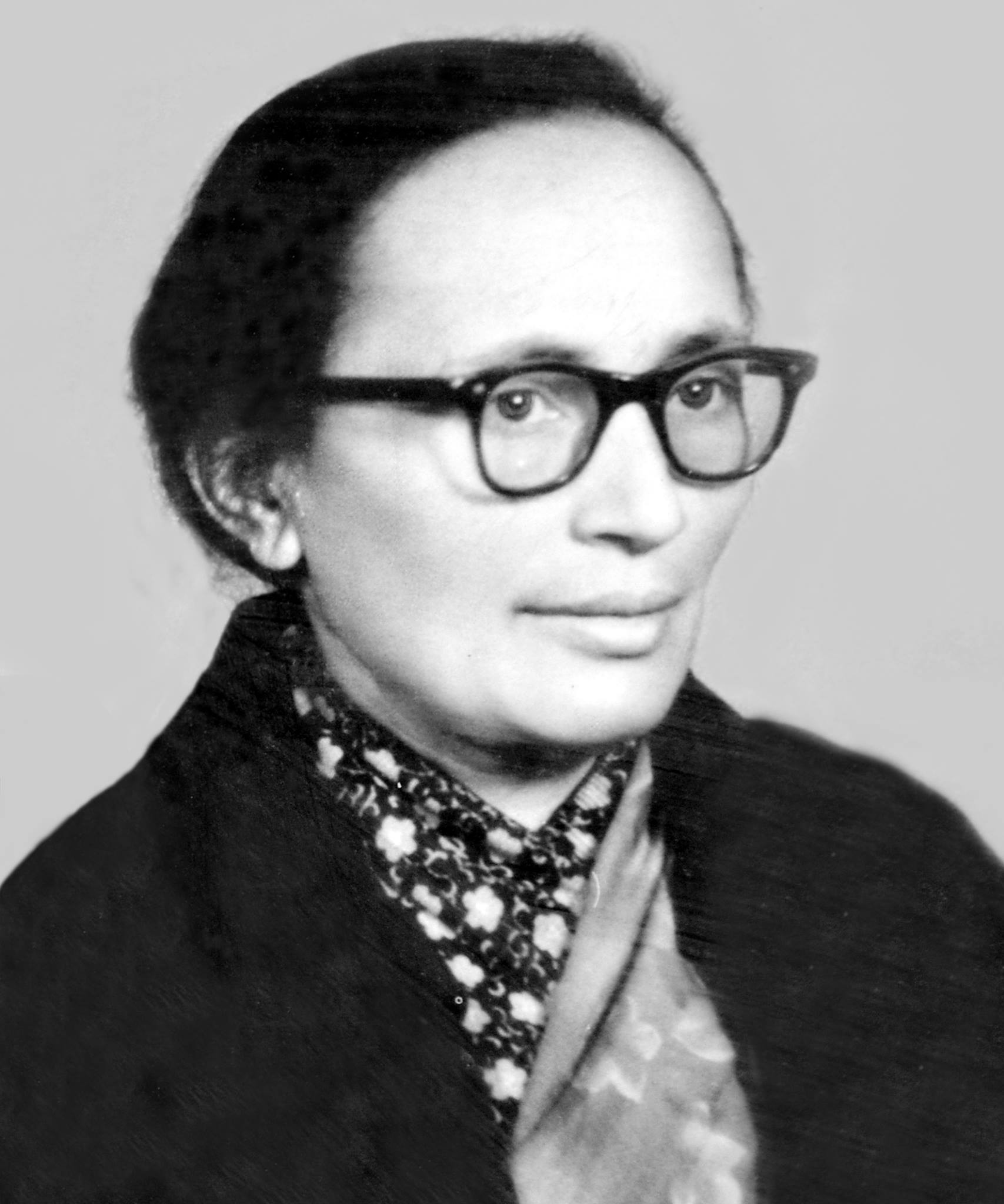
वालककाल देखि गण्डमाला रोगले पीडित हीरादेवी कंसाकार केलटोल भांसाछेकॉल्हासाका्ही भएको साहु हीराकाजी कंसाकारकी प्रथम स्वास्नीकी एक लौटी छोरी थिइन्. रोगावस्थामानै छाडेर इन्की माता संसार वाट विदा भइन् ! वावुले छ महिना भित्रै अर्की स्वास्नी ल्याए !१९वर्ष पुगेपछि हीरादेवीको दाज्यू
धनकाजी कंसाकारले कलकत्ता आफनै वहिनी हीरादेवी लिएर गए् !
कलकत्तामा डाक्टरहरुको खोजीगर्दा गर्दा भाग्यले डाक्टर दिनेशानन्द वैद्य आफनो अध्ययनको दाजोमा कलकत्ता हुनुहुन्थ्योे ! वहाःँले हीरादेवीको दयनीय रोगग्रष्त शरीर देखेर सोधपुछ गरेछ ।सवैकुरा वुझिसकेपछि वर्हाले त्यसताका कलकतmामा आइ राखेको एक जर्मन डाक्टरलाई देखाउने सल्लाह दिनुभयो र सो डाक्टरको उपचार छ महिना सम्म गरेपछि हिरादेवी त्यस रोगवाट मुक्त भइ । तर ठार्उ ठार्उका गला छाती र काखी अपरेशन गरेका धाउहरुनीको पार्न तथा त्यस रोगवाट वाङ्गो तिङ्गो र कमजोर कमजोर भएको शरिरलाइ पूर्ण स्वस्थ तथा सवल पार्नलाई सोही डाक्टरको सल्लाह मुताखिव कालिम्पोङ्गमा अरु छ महिनावसी औषधी खाने, मालिस गर्ने र केही हलुका कसरत गर्ने गरी हीरादेवी गइन् । कालिम्पोङ्गोमा त्यसताका हीरादेवीकै नातेदार प्रसिद्व साहुकार भाजुरत्न कंसाकारले उनी निको नभएसम्म स्याहारेर ख्वाउने ल्याउने समेत अभिभारा लिए । याहानिर भाजु रत्न साहु भन्दा उन्की साह्ुनीले नै विषेश श्रेय दिन सकिन्छ किन भने साहुनीले हीरादेवीलाइ आफनी छोरी भन्दा वढीमायागरी स्याहार सुसार ख्वाईप्याई गरी दीएकी
थिइन् ।
हीरादेवीतन्दुरुस्त भएको कालीम्पोङ्गकै एक वङ्गाली डाक्टरले जाची टौली फोटो खिची कलकतmा
स्थित जर्मन डाक्टर कर्हा पठाए पछि उन्ले त्यो रिर्पोट हेरी हीरादेवीलाई अव स्वदेश लगे पनि भयो तर सकेसम्म अरु एकवर्षसम्म आराम गनुपर्छ विवाह गर्नु हुन्न भनेर सल्लाह दिएर पठायो। ज्र्मन डाक्टरको चिठ्ठी पाए पछि खुशि भएर भाजुरत्नकाजी साहुनी र अरु यात्रुहरु लिएर
भारत स्थित वौद्ध तिर्थस्थान तिर हीरादेवी लगिन् । त्यस ताका उन्को दाज्यू धनकाजी कंसाकार पनि उनको वहिनी लिन काठमाडौवाट आइपुगेले वहिनी संगै तीर्थ यात्रामा हीरादेवीको संरक्षक भयो ।धुम्दा धुम्दा राजगृहपुुुगेछ । राजगृहतातो पानीको कुण्डमा हीरादेवी अलि वेरसम्म न्वाइरहेछिन् .........मा आफनो अनुभव मलाई..............भनेकी थिइन्..........त्यस ताका म २० वर्षकी थिए ।रजुस्वाला भनेको मैले कहिल्यै देखेको थिइन् ।राजगृहको त्यो तातो पानीका ेकुण्डमा वस्दा वस्दै मेरो कोषमा टिक्क भए जस्तो लागेको थियो राजकुण्डवाट आएर लुगा फेरी हेर्दा मैले रजुस्वलाकी दर्शन पाए । त्याहा देखिमात्र महिनावारी अतुत हुन थाल्यो । श्री ३ जुद्घ शम्शेरको पालोमा एतिहासिक विं . सं १९९७ राजकाल काण्डमा पंतmीका लेखक म पनि अंश सर्वस्व, १८ वर्षको कैद, अखण्ड जङ्घी नेलसाथ जेल यातनामा थिए । द्घितीय विश्वको युद्घ समाप्ती पछी श्री जुद्घ शम्श्ोरले वृतीश साम्राज्यवाट मान, ज्ञान र दाम पाउनु पर्ने जति पाइ सकेपछि अधार होकी, वैराग्य लागेर हो राज्य त्यागेर त्रृडीतिर आराम लिन अठोट गरेछन् । हामी राजनैतिक वन्दीहरुमध्य पूजना छाडी अरु सवै २००२ साल भाद्तिर छादि दिए। जस्मा मपनि मुक्त भए करीव ५ वर्ष जेलमा वसी मेरो जीवनको हरेक अनुभव र ज्ञान जुन झन्दै अधुरो थिएन सवलाइ पूरा गरेर आए भन् ने मलाइ लाग्यो । हुनत हामीलाइ फेरी राजकाजमा
लागी नहुने चार भन्ज्याड वाहिर जान परे ठानावाट आज्ञा पत्र लिएर जानपर्ने शर्त गराएको थियो ।........... लाइ कसकसले मान् ने नमान्ने.........., म सकेसम्म नमान्ने भए ।
जेलवाट म छुट्टिएर आएपछि मेरो स्व. आमाकी सानीमा जोगमाया जुन निसन्तान भएकीले आफू मर्दा म वाट काजकृया गराउने आशयले म उन्को धर सम्पतीको मलिक भइ गृहस्थीमा
राख्न उनी चाहन्थीन् ।त्यसैले छुट्टीएर आए देखि मलाई विवाह गरिदिने तरखरमा उनी रहेछिन् ।
एक दिन ही।रादेवी कंसाकारकी मामा हीरारत्न तामं्राराकारको धर जुन मेरो मावली छिमेकमा पर्छ । उनी हीरादेवी सोह्र श्राद्धको निम्तोमा उतm धरमा आएकी रहेछीन् ।मेरो वज्यै जोगमायाले उनै हीरादेवी............विवाहको कुरा लिएर.........लाइन् र झ्यालवाट उनलाइ हेर्न लगाईन् पनि
गहु गोरो रंगकी चस्मा लगाएकी, निधार खुलेकी आँखामा द्दद्धता मुखमा हिसी परेकी खाईपाई पोष्ट शरीर भएकी हीरादेवी मतिर नहेरिकन पनि हेर्न गरेकी देख्दा चौविस वर्षसम्म कतै नगई मलाईनै पर्खी रहैकीजस्ती मैले पाए । जस्ले गर्दा मैले वज्यैलाई अरुअरु विवाहको कुरा गर्दा झै
नामच्जुर गर्न सकिएन् । मैले निर्धक्क भई वज्यैलाई उनको कुरा गरी हेर्नसुन्न भनी भने । वज्यै
खुशी भई त्यसतिर दौडेर गईन । हीरादेवि माग्ने काम लिएर वज्यै..........लमी भईगइन् । वज्यै
.......सनी हीरादेवीका वावु सानीमा र अरुकुटुम्वहरुले एकै आवाजने गदै भनेछन् त्यो धर्मरत्नयमि लाई ? नित्य गर्नपनेजप पूजापाठ गदैन र द्यौटा मान्दैन्, राजाहरु सित झगदा गरी हिदछ र छेपारोले ध्याम्पो अंगाल्ने वहुलापन गरी हिदछ । त्यस्तालाई हिरादेवी सोप्ने काम हामी
वाट हुन्न ।
उपरोतm विलकुल नकरात्मक कुरामात्र होइन् निन्दा समेत गरेको कुरा हीरादेवीवाट मात्र नछिपेको होइन् म वाट पनि कुरा छिपिएन् । त्यो कुरा सुनेपछि मैले हीरादेवीलाइ भेट्ने कोसिस गरे ।........हीरादेवीले खोजेकीले..........काममा विलम्व भएन् । एकदिन उनका भाई लिएर विजयश्वरी फाटको सरस्वती वाल ससुमाजुको देवलमा भेट्न आइन् । भेटवाट परिचय पछि मैले आफनो भूत भविष्य र वर्तमानको लक्ष्य सनाउदैभने मेरा वावू वाज्येको श्री सम्पती
राणा सरकारका दाउपेचमा परीसर्वस्व भई सक्यो । अव मेरो केही छैन मावली धरमा वसेको हु
रोजगार पनि शुरु गरेको छैन गर्न सकिएला जस्तो पनि छैन गने पनि छैन भरखर जेलवाट छुटेर आएको छु कसैवाट एक पैसा पत्याउने त कता कता मसित वोल्न समेत मान्छे डरार्उछन्
तिमिलाई के मेरोज्यान..........नपरे पनि छाड्ने होइन् भने मसित तिमिले सम्वन्ध गासेर सुखभन्दा दुखनैभयो..........। उपरोतm मेरो कुरा सुनी हीरादेवीले ठाडो मुन्टो पारी निर्धक भई भनिन् यी सव काम तपाईले कुनै स्वार्थ सिद्ध गर्नलाइ गरेको होइन् देशकोलागी नै त होला
जुन मान्छे देशको लागी आफनो जीवनयात्रा गर्दछन् त्यस्ताहरु वदमास हुदै हुदैन् भने मलाई वेकाइदासित कुनै दुख भनी कसरी ठान्नु ? त्यस कारण म तपाईसित. सम्वन्ध राख्न कुनै आपत्ती देखदीन । ..........एउता कुरा तपाई सित........जीवनको अन्तसम्म एक भटमासको गेडा भेट्टाए पनि आधा वाढी खाउँला र म वाहेक कुनै हालतमा पनि अरुसित फस्नेछैन यति कवुलियत तपाईवाट म चाहन्छु । मैले त्यो कवुलियत स्वीकार गरी अरुभेट पछि हाम्रो विछोड
नहुनेगरी छुतियौ ।
२००२ सालतिर फागुणको त्रेस्रा हप्तातिर वागमती वारी भगवानकाजीको पाटी पछाडी महादैवक देवलतिर फेरी हामी भेट्यौ । दुवैतिर वाट निश्चित कुराभएपछि एउटा मोटर भाडामा लिन पठाई दुवै हाँडीगाउको एक इष्टमित्र ज्यापूको.......वस्यौ। ........धरमा पछि दुवै तिरको समाजमा नाना प्रकारको चर्चा चल्यौ । धेरैले हीरादेवीलाइनै धिक्कारयो । जुन स्वभाविक नै ठानी हामीले वास्ता गरेनौ र आफनो लक्ष्य पनि छाडेनौ । धरखर्च लागी हीरादेवीले छिमेका वच्चाहरु लाइ पढाई महिनाको ५० = ६० रुपैया कमाउन थालिन् मेरो दुख सुख र आपद
विपदको कटमा कल मिलाई उनले साथ दिइन् । कहिल्यै जस्तो सुकै आपतमा पनि मुख निन्याउरो दिखाइनन् संसारको । राजनैतिक क्षेँँत्रमा........उथल पुथल आयो...........युद्ध पछि जर्मन र जापान को हारेक इच्छा म–यो साथै....... सित मुकाविला गर्ने वृटिस सम्राज्यवाद माथि पनि त्यसको प्रभावले ठुलो चोट पु–यायो। । जसले गर्दा वृटिसले लाचार भएर आफनो साम्राज्य छाडनौ जानु प–यो । वृटिसको सवभन्दा ठूलो साम्राज्य भारत थियो । त्याहा वाट १९४७ इस्वीको १५ अगष्टको दिन भारतलाई स्वाधिनता प्रदान ग–यो । भारतका वरपरका स सना देशलाई पनि कहि पूर्ण कही अर्ध गुलाम वनाई आएको वृटिस गए पछि ती देशहरुका जनताहरुले स्वाधिनता र प्रजातन्त्र आशा गर्न थाले भारतको स्वतन्त्रतामा संग्राममा प्रजातन्त्र
प्रेमी नेपाली युुवा..........दिएका थिए । र भारत स्वतन्त्रत......नेपालमा पनि जाहनिया राणा.....
ठाउँमा प्रजातन्त्र ल्याउनमा......भारतवाट अवश्य सधाउ पुग्नेछ भन्ने आशामा द्दढता आयो
त्यसैले त्यो १९४७ साल १५ अगष्टको दिनलाई नेपालीले पनि महत्व दिएर उत्सव मनाउन अठोट गरे त्यसताका सम्म भारतमा वसेका नेपालीहरुले एउटा राजनैतिक संगठन नेपाली
राष्टिय काग्रेस नामवाट गरीसकेको थियो । जसको सम्वन्ध नेपाली भित्रका प्रजातन्त्र प्रेमी युवा
वर्गसित भुमिगत सम्वन्ध नभएको होइन् जस्ले गर्दा १५ अगष्ट भारत स्वतन्त्रता दिवस काठमाडौंमा पनि मनाउने निदेशन म काहाँ भारतवाट आयो जस्को लागि १४ अगष्टको राति मेरो निवाश स्थानमा रातमा तैयारी गर्नेमा साथीहरु...........दिवसमा सभापति गर्ने............
उनीहरुले हिरादेवीलाई भाउज्यु लाई............ले उनी पनि भारतवाट पठाएको.........काग्रेशको
निदेशन अनुसार लिखित एउटा सानो भाषण धोक्नमा हीरादेवी लागि रहिन् । १९४७ १५ अगष्टको विहान १० वजे तिर काठमाडौं मरुटोलको मरु डवुलमा महात्मा गान्धी तत्कालिन प्रधान मन्त्री श्री ३ महाराज पद्म शम्श्ोरराणा तस्वीर र नेहरुजीको गाँसी एउटा समारोह स्थान
खडा भयो हीरादेवी त्यस स्थानमा आफैले पढाई राखेको छात्राहरुलाई धुपवाली मौन जुलुसको
रुपमा आइपुगीन जहाँ म श्रीराम गोपाल दली, श्री द्धारिका दास जुजु भाई मोति गुजु प्रदिपमान......थिए । प्रथम हिरादेवी‘।..............तस्वीरहरुमा माला........नि उनैको सभापतीमा........चाल्न भो र भारतको स्वतन्त्रता........आवश्यकता र महत्व वुझाउनलाई म उभिएको के मात्रके थिए तत्कालिन कणेल चन्द वहादुरथापा आफनो पुलिस सहित आएर यो क्या हो ? क्या हो ? राणाजीको राजहो हाम्रा राजा श्री ३ को फोटोमा यो धोटीवालाको फोटो
किन ? हामी त्यस स्वतन्त्र हौ धोटीवालाको स्वतन्त्रतामा हाम्रो के वास्ता भन्दै फोटो कुर्सी टेवुल फयाकि दिए म्न्चमा वसेका हामी १० १२ जना लाई समातेर लगे ।
त्सैसै दिन काठमाडौमा.........भतmपुरमा पनि स्व .........मनाएकाहरु थुप्रै पक्रेर ल्याए.......
थानाको खोर जुन थियो त्यस्मा........ई पनि त्यहि भुन्न.....चोर डाकाहरु हुन्छ । नसिद्धेन्जेल त्यहि थुन्ने पिसाव खाना पनि नवनाएकोले दुर्गन्ध लाज सरम धरमा छाडेर वस्नु पर्ने थियो त्यहा हामी सवै सुत्ने ठाउसम्म थिएन र हामी कुनै ओटमा वस्न पाएँ पुग्ने गरी वस्यौ । वर्षातको समय थियो उपिया उदुस रातभरि सताउने खान पानको कुनै व्यवस्था नभएको हामी जिवित नर्क भोगि रहेको थियो त्यसलाई हामी एक तपस्या ठानेर सहन गथ्यौ र भारतका पत्रिका स्टेटमैन नेशनल हेरफड विश्वभित्र आदिमा हिरादेवी यमि......लेका च्यापेर काठमाडौ.......म स्वतन्त्रता दिवस मनाएको ‘।..........पक्रेर लगे जस्कापछि हाम्रा.............
पनि लेखेर ल्याएको अखवार........कटिङ्घहरु गोप्य तरीकाले दिएका पढेर सन्तोष र गर्व मानी वस्यौ । हीरादेवी हाम्रो संगैको जनाना खोरमा अपराधीहरु अरुआइमाई संग हामी सोझै जिवित नर्क भोग्दै थिइन् उनी पनि ती अखवारका कटिङ्ग हेरेर फुरु ङ्ग भई दुख कष्ट विसिन थिइन ।
त्यस नर्क तुल्य खोरमा वर्षा भरी राखेर हामीहरुलाई जेल लगे हीरादेवीलाई त्यही वाट धर पठाई दिए । ६ महिना पछि हामीलाई जेलवाट छाड्यो । हामीसंगै नेपालीको आखा खोल्यो भनेर
देवल देवलहरुमा सामुहिक.........हिदेको अपराधमा थुनी राखेका .........गोपाल प्रसाद रिमाल ,
दमन राज तुलाधर .........अरुसाथीहरु प्नि छाडिदिए.........आए पछि पक्षिम भारत वसेका........नेताहरुको निदेशन अनुसार हिदन् लागि रहेका थिए । पछि थाहा भयो नेपाली राष्टिय काग्रेसमा नेतृत्वको होडमा कोइराला गुट र रेग्मी गुट भनी फुट भइसकेको सहेछ ।
त्यस फुटको रोग नेपालभित्र वसेका हामीमा पनि नहोस् भनेर संगठिट भएर दुवै गुटलनई
ीमलाउने कनेशिश हामी गरी रहयौ तर कैही सीप लागेन । तर पनि हामीले संगठन भएर केही न केही गरी रहयौ । यही ताका अचानक राजधानीको प्रसिद्ध कार्यकर्ता सुर्यवहादुर थापा भारकाज मकहाँ आएर मलाई गोपाल प्रसाद रिमालको धरमा लिएर गयो ।......................
ना साथै रिमालले धत्..........जागृत मान्छे दलाल.........कोइरालाको पीठ्ठ हुने ? स्वतन्त्र........
भरतीय राजनीतीक र नेता.......र हामी उनका र्कायकर्ता या नोकर हुने ? यहाँ जागृती चाहिए पनि प्रजातन्त्र चाहिए पनि यहा वसेर यहाँकै हामी नेपालीले नेपाली जागृती नेपाली प्रजातन्त्र
ल्याउन पर्छ दमनराज तुलाधर भेट्न भो ? उनले मोहन शमशेर वाट फाइदा हुने कति त्याग गरे वुझन् भो ? तपाईको कुरा ठिक भए पनि व्यवहारिक छैन किन भने तपाइको राणा सरकारले चुइक्क दिन्छ र ?चल्न त पकै जाओस् दमनराज तुलाधर को वारेमा मान्छेहरु के के भन्छन् जसवारे मैले.......छैन यति भनेर मैले चिया...........वारे कुनै शंका........हो हाम्रो राष्टवाद पवित्र छ ......
पर्ने केही छैन । रह्यो...........चुइक्क वोल्न नदिने कुरा त्यो त संध्रर्षशील व्यक्तीहरुले भन्ने
होइन हामीले नेपाल आमा सित नेपालीको आखाँ खोली देउ भनेर प्रार्थना गर्दा त कयौ
महिना नर्क तुल्य जेलमा थुनियौ तर हाम्रो हिम्मत मरेन भनी उनले मलाई फेरी भन्यो ।
भोलि शनिचरवारको दिन साँझ ५ वजे तिर............कहाँ आउनु भो र........लाई स्वायत सरकार गरी.............वसाला जहाँ ले चुरोट सलकाउदै............भाउजु खोइ ? वहाँलाई पनि
वोलाउनुस् वहाँलाइ म अलि गरेर यस विषयमा सम्झाउने प्रशस्त कोशिश गरि सकेको छु
मैले हिरादेवीलाई वोलाएर संगै राखै रिमाल ज्यूले हीरादेवीलाई सुनाउदै भने तो भाउजु दाई
लाई सम्झाउनु होस् कि चुइक्क लोल्ने र केह ीगर्ने हक मागेर पाउने होइन, त्यसै दिने पनि होइन त्यो त लडेर लिनेकुरा हो । मैले पनि उनिलाई अलि हेपेर भने के तपाई आत्महत्याको नीती
अपनाउन चाहनु हुन्छ ? कसै आधार र मदत.....देखि चलि आएको सरकार...... हामी जस्ता केही व्यक्तीहरु उपर..........लड्नु खोज्नु के आत्मा हत्या होइन् ? त्यो पनि कालको........छैन। हुकुमको जवाफ छैन भन्ने.........शाशनसित लडनु ।
उनले मेरो कुरा सुनेर मलाई पनि हेपेर भने देशको लागी आफनोहरुको लागि मर्न जानेमात्र
होइन मार्नलाई पनि तयार हुनु पर्दछ । मर्छ र मानु पर्ला भनेर डराउनेले के गर्ला ? त्यसको लागि पनि त आधार र भर मदत चाहिन्छ । तपाईले भनेको वुझे मेरो भनाई यो छ कि त्उो भर मदत र आधार नै हामीलाई गुलाम वनाउने भयो भने के गर्ने ?
जमाना वदल्यो रिमालजी अव........के गुलामी लाडने स्थिति.........यो त्यसैले जसको सम्राज्य.... कहिल्यौ अस्ताउदैन थियो त्यस्तो ........सम्राज्यवादी पनि नाडि छाम्दै..................
दिदै धर फर्कन लाग्नु.........जमाना हो ।रिमालले अलि झोक देखाएर झै देखाएर भने
तपाई लाई के थाहा छ ? थाहा छ कि नेहरु जस्ले अर्काका स्वतन्त्रताको लागि त आवाजले
भए पनि अडदै आएका छन् भने हाम्रो नेपाललाई उन्ले गुलाम वनाउने छैन । भारतका अरु
नेताहरुको थाहा छैन फेरी त्यो हुन दिने नदिने हाम्रो हातमा छ ।
हाम्रो यी वादविवादनाई काटेर हिरादेवीले भनिन्...हाम्रो आफनो हक लिनलाई हामी........
भनेको कुरा रिमालजीले ठिक..........को विना लडनु पर्छ भन्ने..........गर्नु पर्छ । किनकी
हामी जुन ...........हुन लागेका छौ । त्यो शक्ति को..........खा राजा श्री ५ त्रिभुवन पनि........
वक्सिन्छ त्यसकारण राजा भनेकोले गुलाम त्यसै स्विकार गर्दै गदैन रााणा शाहि जस्ता
निरङ्घकुश शासनसित कसैको मदत विना लड्नु आत्मा हत्या जस्तै होईन ? त्यस कारण भारतको समर्थन लिनुमा हाम्रो वुद्धिमानी हुनेछ । कस्ता तपाई त कुरै वुझन् हुन्न अर्काको देश भारतमा वसेर
आफनु देश नेपालमा प्रजातन्त्र ल्याउछ भनी रोपलनै नेताहरुलाई हामीले कसरी स्विकार
गर्ने के गान्धी र नेताहरुले जर्मन फान्समा वसेर कराएर लडेर भारतमा......... भनेर रिमाल
ले भने..........सुभास चन्द वोस जस्ता नेता..........रुसजस्ता शक्तिशाली देशहरु...........
वृटिस सित लडन् नआएको भए...........चर्खाको चक्रले तसेर वृटीश............................
उतारेर आफैले गुलाम वनाएको...........भारतको झण्डा उठाएर धर फर्कने थिएन यस कारण
............एकहोरो वाटो मात्र पहिल्याएर मात्र हुन्न भनेर हीरादेवीले फेरी भनिन् हामी जस्ता निरक्षण होइन निरीह जनताले राणाशाही जस्ता कुद्ध शासक जस्तो मुखको एकलवजले हाम्रा ज्यान जान्छ र वच्छ त्यस्ता सित लडनलाई कसैको भर पर्नु हुन्न भनेकोमा म त सहमत छैन् र यस कुराको
भनाइले तपाई माथि मेरो के के भावना उठेको छ रिमालजी माफ गर्नु होस् ।
......तपाइले कस्तो ........... भारती जनशक्ती.........पक्षमा छन् त्यसको नैतिक................
चाहिन्छ त्याहाँ........ को नेतृत्वका भोका नेताहरु........नेको भनेर रिमालले चुरोट सल्कायो ।
यो कुरा त तर्पाको कमजोरी हो संधर्षको दौदमा नेतृत्व पन पनिन्छ । मेहनत नगरिकन सकिन्न भनेर संधषलाई नै सिमित पार्नु अथवा साँगा्रे पार्नु राजनैतिक काम हो होइन जस्तो लाग्छ भनेर हीरादेवी उठेर गईन् । के गर्ने ? रिमालजी यी सामन्त महन्त गुरु पुरोहित धनी मानी भन्ने तत्व नै
यस्ता तत्व हुन जुन युक्ति उपदेशको विरोधी हुुन्छ खाली परम्परावादी भएर दवाएर आएको दवाएरै वाचौला मार्रौला..........धमण्डले अन्धा भइरहेछन्.........तपाई हामीले हित र युतिm............
कार्वाइवाट अधि वढौ भन्ने.........असम्भव मात्र होइन हाम्रो ........वोलउनु जस्तो पनि हुन्छ
यति....... नै लागेको थिए । रिमालले......... राख्नुस् न भनेर उठन् दिएन र के गर्ने त ला भनेर सोधे अनि मैले होइन् यस्तो कुरामा हडवडाएर हुदैन् मेरो विचारले तपाईले भने झै विलकुलै भारत अर्थात भारतमा वसेका प्रजातन्त्र चाहनेको वास्तै नराख्न पनि ठिक छैन त्यसकारण यहाँकै मात्र
भरोसालिनु पनि ठिक होइन् । हामीले विचको वाटो लिनु पर्छ । य तिकैमा हीरादेवी चियाको
किट्ली लिएर आईन् र हामीलाई एक एक कप भरी दिइन् र भनिन् मैले सुनेको त पद्म शम्शेरेले दिएको ............लागेको छ । रे त्यो कस्तो............खाईवरी आजलाई भइगो त भनेर..........
रिमाल उठेर गए ।......का तत्कालिन प्रधान मन्त्री श्री ३ ..........शम्शेरले भारतका प्रख्यात‘।.....श्री प्रकाश ज्यूको सल्लाहवाट एउटा विधान तयार गरेको थियो जुन पंचायत शमशन लागु
गर्ने उद्देश्य राखेर दिएको हो जस्मा राणा भाइ खलक भारदार गुरु पुरोहितको सरसल्लाह खास
गरी नेपालका व्राम्हण क्षेत्री सामन्त वर्गले ठाउँपाउने गरी अर्थात नेपालमा जति पनि जातका छन् ती
सवका आफना आफना स्थान भएकाले जस्तै लिम्वुवानमा लिम्वुहरु मगरातमा मगरहरु..........गतमा
राईहरु काठमाडौंमा........का शहर शहरमा नेवारहरु........नम्वरमा गुरुङ्गहरु.........पूर्व नं १ नम्वर.....
र मधेशमा मधिशेहरु.........तकमता धिकार.........यो भने जुन जुन ठाउँमा जुन जुन जाति वढता छन्
ती नै जाती आउने भएकोले व्राम्हण क्षेत्रीको अरु अरु झै आफनो कुनै स्थान नभै छरिएर वसेकोले
चुनावमा नआउने देखिएकोले वालिग मताधिकारको ठाँउमा गाउँ पच्चायत जिल्ला पंचायल र अच्चल
पच्चायत स्तरमा चुनाव गराउने पछाडि वनाई जनसंख्याको हिसावले जीत हार हुने ठाउँमा गाउँ संख्याको हिसावले जीत्ने पद्धती अपनाएर पच्चायती.........थियो जुन पछि पद्म........प्रख्यात भयो ।
त्यो विधानको..........छैन र तह संख्या............हकवाला वच्चित गरी देश भरी.........................
ह्रु व्राम्हण क्षेत्री को हातमा मात्र शासन........भएको थाहापाएर हो कि के कुराले भारतमा वसेका
प््राजातन्त्र वादीहरुले थो यो विधान भनी त्यसको विरोध गरे । श्री ३ पद्म शम्सेरले दिएको त्यो विधानलाइनै मानेर हामीले प्रजा पंच्चायत नामवाट एउटा संस्था खोलेर रजिष्टर गर्न ठानामा गयौ त्यसको कागज वुझी लिएपछि हामीले सदस्य वनाउन थाल्यो र भारतमा वसेको नेपाली राष्ट्रीय काग्रेसी कोइराला गुत र रेग्मी गुतमा विभाजित भएकाहरुलाई हामीले हाम्रो त्यो.......................
केइराला अरु........भूमीगत आईपुगे............ पद्मविधानकलागि............हामीले देशव्यापी............
लगेका छौ । त्यसमा..........सत्याग्रह नचलाईन्जेल यो स्वागित......उनको यो कुरा हामीले मानेनौ मान्न लागेका साथीहरु लाई हामीले संगठनवाद निकाल्न भनेपछि हाम्रो कुरामा आएर सत्याग्रह गर्ने निधो गर्यो । तर कोइराला हरु हामीलाई विरोध गर्दै रह्यो । .......विधानको अन्तर प्रजा........ले संगठन गर्यो हाम्रो.........पूर्ण उतरवादी प््राजातन्त्र हो त्यसकारण तपाईहरुले........ नवढाई हामीले पठाए........भारतिय खवरकागजहरुमा............ गरी दिनु होला । हाम्रो मुुख्य.......तपाईहरुमा एकता ल्याउने पनि हो अन्यथा नसम्झाउनु होला भनि लेखि पठाए ।
प्रजापच्चायतको नाउवाट हामीले ठाउँ ठाउँ भाषण ग–यो सदस्य वनायौ तिने शहर उपत्यका अरु गाउहरुमा पनि सदस्य वनाउन लाग्दा करीव करीव ६ ७ हजार पुगे जसलाई थाहापाएर रााण शाह हरु तर्से र ठानावाट अर्को आदेश नआएसम्म पद्म विधान........नि भाषण सभा संगठन..........पुर्जी ताँस ग–यो । अनि..........विरोधमा व्यक्तिगत.............गर्ने निधो ग–यो । केही दिन........ काठमाडौं भुगोल पार्कवाट.........प्रधान र विजय वहादुर........भादगाउँवाट गोपाल दास .........मान प्रधान र पाटन वाट पाटनकै र कार्यकर्ताहरु सत्याग्रहमा उत्रिए । काठमाडौं भुगोल पार्कमा सत्याधाही हरुलाई फुलको माला लगाई पान सुपारी दिई उत्साहीत गर्नुमा हीरादेवी खटीयन् हामीसवै भुमिगत भयौ र ..........सत्याग्रहका लागि मान्छे त तयार लर्दै ेसत्याग्रह चलाउदै गयौ जस्मा गोपाल प्रसाद रिमाल सुर्य वहादुर भारद्धाज नुतन थपलिया आदी काठमाडौ. वाट पाटनवाट नरजहादु..........तुलसी लाल अमात्य....र वाट विष्णु भुजु केशव भुज........आदी तथा महिला ेसत्याग्रही..........मा रिमालकी.......
हीरादेवी .....देव ि श्री.........उल्लेखनिए थिए । अनि हिन्न तीनै शहर काठमाडौं भक्तपुर र पाटनमा चल्दै गर्यो यसलाई अरु व्यापक गदै लान लाई पहाद मधेसीका जिल्लाहरुमा सम्वन्ध राख्दै जान लागेको वेलामा भारतको अंग्रेजी पत्र स्टेटम्यान्मा नेपाली नेता वि पि कोइराला आज भोली काठमाडौमा भूमिगत भई प्रजा पच्चायत को नामवाटे सत्याग्रहको कुशलता पूर्वक नेतृत्व गरि रहेकाछन् जस्को अधादि रााणा....झुक्नु पर्नेछ भन्ने खवर छापी ल्यायो जुन देखेर रााणाशाहीले यो
उपरोक्त लक्ष्य प्राप्तीको लागि यस सङ्गठनले विभिन्न प्रकारलेकदम चालेको थियो । यसका सदस्यहरुले विधालय पुस्तकालयहरु खेल्दथे वा खोल्न लगाउर्थे त्यसैले महिलाहरुलाई पनि सङ्गठित पार्ने लक्ष्य लिएको थियो तर्सथ उक्त सङ्गलठतले आफना कार्य कर्ता सहयोगिहस्का सम्पर्कमा रहेको महिला विशेस
गरेर कम उमेरका युवतीहरुलाई धरधरमै शिक्षा दिलाउनको साथै उनीहरुमा राजनैतिक चेतना र आधुनिक दृष्टिकण विकसित गराउन यथासम्भव प्रवन्ध ग–यो यस योजनाअन्तर्गत सं २००२ २००३
सालतिर काठमाडौं र पाटनमा गरी वीस तीस जना जती महिलाहरुकाले तालिम पाउन थाले ससना केटीहरुको लागि त महिनाका पहिले न्हैकन्तला स्थित दिवाकर भाजुको धरमा चलाइएको पद्यज्योति पाठशालामा र पछि शान्तीनिकुन्ज विद्यालयमा कक्षागत शिक्षा दिने व्यवस्था भइसकेको थियो ।
यी शिक्षण संस्थाहरुको संस्थापन र सन्चालनमा पनि उपरोक्त सङ्गठनलकै अदृश्य हात थियो भन्ने
कुरा पनि यहाँतिर स्मरणीय हुन्छ । ती धरधरमै प्रशिक्षण पाइरहेका महिलाहरु र शान्तीनिकुन्ज विद्यालयमा पढ्ने उच्च कक्षाका छात्राहरुलाई समुहवद्ध गरी एक एक पायक पर्ने ठाउँमा वरावर जम्मा गराई पवचन कार्यक्रममा सहभागि पनि वनाइन्थे । यसरी खारिएर योग्य दरिला र विश्वासिला देखिएला
किशोरीहरु एक त महिला सङ्घ चलाउन सक्षम हुने र दोस्रो भूमिगत सङ्गठतको लागि पनि सशक्त योगदान गर्न समर्थ हुने अपेक्षा राखिएको थियो ।
यसरी उपरोक्त विभिन्न समूहका छात्रा र केही समय सम्म प्रशिक्षण अभ्यास र अनुभव प्राप्त गरेपछि उनीहरुलाई एकै ठाउँमा भेला गराई आपसमा परिचय र हेलमेल गराउने कार्यक्रम वनाइयो तदअनुसार
सं २००४ साल श्रावण २२ गते म्हेपी स्थानमा एउता वनमोज को आयोजना भयो । त्यस पिकनिकमा
शान्तीनिकुन्ज विद्यालय र कन्यामन्दिर स्कुलक–ा छात्राहरु प्नि सम्मिलित गराइएका थिए ।
त्यस अवसरमा म्हेपीमा उपस्थित भएका महिलाहरु थिए श्री माया साधना प्रधान स्नेहलता मिठेठु
देवी प्रेमलता कंसाकार कनकलता नकर्मी प्रतिभा कर्माचार्य गुलवदन ताम्रकार कोकिला तुलाधर
शान्ता श्रेष्ठ सरोहनी मान्नधर नानी श्रेष्ठ मिठाई महर्जन भानुदेवी सुवर्ण मैया जोशी उमा देवी
मर्हजन हीरादेवी तुलाधर श्रीमती भानुदेवी तुलाधर मैनु प्रधान कृष्णकुमारी मानन्धर केशरीदेवी तारा
मानन्धर हसिनादेवी श्रेष्ठ मोहिनी अमात्य र नानु प्रधान ।
उक्त अवसरमानै उपस्थित महिलाहरुको सभाले सर्वसम्मतिवाट नेपाल महिला सङ्घ को नाउँले एउटा
सड्ख्यामा सदस्यहरु वनाइएपछि कार्यकारिण्ी सदस्यहरुको निर्वाचन गर्न अर्को सभा यथाश्रीध्र आयोजन
गर्ने निधो पनि उक्त सभामा गरिएको थियो ।
यसरी भएको थियो नेपाल महिला सङ्घको प्रारुपको गठन । सदस्यता अभिमान जोडतोडसंँग चलाइयो ।
थोरै समयमा नै सदस्यहरुको संड्ख्या शय नाध्यो ती मध्ये केहीका नाउँ यी हुन श्री मती हरिदेवी श्रेष्ठ
श्रीमती तुलसीदेवी सिह शीलवन्ती शाह र उनकी आमा रक्तकालीका कसाइनीहरु र धोविनीहरु श्रीमती वाटुली श्रीमती पच्चदेवी ताम्रकार ज्वालादेवी वज्राचार्य प्रभा नेपाली सरस्वती श्रेष्ठ विन्दुवासिनी शर्मा तीर्थदेवी श्रेष्ठ चन्द्र श्रेष्ठ चम्पादेवी वजाचार्य लक्ष्मीदेवी तुलाधर लक्ष्मीनानी तुलाधर
सावित्री श्रीमती मैया प्रधान श्रीमती वहिनी सिह रत्नदेवी सहनशीलल श्रेष्ठ ।
Heera Devi Kansakar had suffered from gandamala (scrofula/lymphatic tuberculosis) since childhood. She was the only daughter of the first wife of Hira Kaji Kansakar, a wealthy household of Kel Tole, Bhotahiti, Kathmandu. While she was still ill, her mother passed away. Within six months, her father brought another wife into the home.
When Heera Devi turned 19, her elder brother Dhankaji Kansakar took her with him to Calcutta. In the course of searching for doctors there, by good fortune they met Dr. Dineshananda Vaidya, who happened to be in Calcutta for his studies. Seeing Heera Devi’s miserable, disease-ridden condition, he inquired in detail. After understanding everything, he advised them to show her to a German doctor who was then in Calcutta. Under that doctor’s treatment for six months, Heera Devi was freed from the disease.
However, because of the scars from surgeries on her neck, chest, and armpits, and because her body had become weak and deformed from the illness, the same doctor advised that she spend another six months in Kalimpong taking medicines, doing massage, and light exercise to fully regain her strength and health. Accordingly, she went to Kalimpong. At that time, her relative, the renowned merchant Bhajuratna Kansakar, took full responsibility for her care there. In fact, more than Bhajuratna himself, special credit goes to his wife, who cared for Heera Devi with more love and attention than even for her own daughter.
After Heera Devi regained strength, a Bengali doctor in Kalimpong examined her, took photographs, and sent a report to the German doctor in Calcutta. After reviewing the report, he wrote back saying she could now return home, but should rest for another year if possible and must not marry during that time.
Upon receiving the German doctor’s letter, Bhajuratna’s wife happily took Heera Devi along with other travelers on a pilgrimage to Buddhist holy places in India. Around that time, her brother Dhankaji also arrived from Kathmandu to take her home, and he accompanied her on the pilgrimage as her guardian. While traveling, they reached Rajgir. At Rajgir, Heera Devi bathed for some time in a hot spring.
She later recounted her experience:
“At that time, I was 20 years old. I had never experienced menstruation before. While sitting in the hot spring at Rajgir, I felt something unusual within my body. After returning from the pond and changing clothes, I realized I had begun menstruating for the first time. From that day onward, my monthly cycle started regularly.”
During the reign of Sri 3 Juddha Shumsher, in the historic political case of B.S. 1997, I too was among those accused as a writer for the newspaper Panchika. I was sentenced to confiscation of property and 18 years in prison, chained in heavy leg irons and subjected to severe torture. After World War II ended, Juddha Shumsher, having received all the honors, knowledge, and wealth he could from the British Empire, perhaps out of disillusionment or detachment, decided to leave power and retire to India. Around Bhadra 2002 B.S., all political prisoners except Pujana were released, and I too was freed after about five years in prison. I felt as though every experience and understanding of life had been completed within me during that time.
However, we were made to sign conditions that we would not engage again in political affairs, and if we needed to travel beyond four boundaries, we had to obtain permission from the authorities. As for me, I tried not to obey such restrictions as much as possible.
After my release, my late mother’s younger sister Jogmaya, who had no children, wished me to remain in her household and inherit her property so that I would perform her funeral rites when she died. From the time of my release, she began trying to arrange my marriage.
One day, Heera Devi Kansakar had come to her maternal uncle Hira Ratna Tamrakar’s house, which was near my maternal home, for a Sorah Shraddha ceremony. My grandmother Jogmaya brought up the topic of marriage with Heera Devi and even made me look at her through a window. She was wheat-fair in complexion, wore glasses, had an open forehead, determination in her eyes, a gentle smile on her face, and a well-nourished body. Though she did not directly look at me, it felt as if she had been waiting only for me for 24 years. Because of this feeling, I could not reject the proposal as I had done with others. I told my grandmother to proceed and inquire further.
My grandmother happily went to initiate the proposal. But Heera Devi’s father, relatives, and others all said in one voice:
“That Dharmaratna Yami? He does not perform daily prayers, does not believe in deities, quarrels with rulers, and roams around restlessly like a chameleon clinging to a drum. We cannot hand over Heera Devi to such a man.”
This criticism and slander did not remain hidden from either Heera Devi or me. After hearing this, I tried to meet her. Since she too wished to meet, there was no delay. One day, accompanied by her brother, she came to meet me at the Saraswati temple near Bijeshwari.
After we met, I told her frankly about my past, present, and uncertain future. I explained that my family property had already been confiscated by the Rana regime, that I had nothing, was living in my maternal home, had no job and little prospect of one, had just been released from jail, and that people were even afraid to speak to me. I told her that if she tied her life to mine, she would find more sorrow than happiness.
After listening to me, Heera Devi lifted her head confidently and said:
“All that you have done was not for personal gain but for the country. A person who lives for the country cannot be a bad person. How can I think that being with such a person will bring me sorrow? I have no objection to forming a relationship with you. But I ask one promise: even if we find only a single soybean to eat in life, we will share it equally, and you must never, under any circumstance, be involved with another woman.”
I accepted that promise. From then on, we were never separated.
Around the third week of Falgun 2002 B.S., we met again near the Mahadev temple behind Bhagwan Kaji’s rest house across the Bagmati River. After finalizing matters, we hired a vehicle and went to stay at a Jyapu friend’s house in Handigaon. Society on both sides began to talk in many ways. Many criticized Heera Devi, but we ignored it and stayed focused on our purpose.
To manage household expenses, Heera Devi began teaching neighborhood children and earned 50–60 rupees a month. In all my hardships, dangers, and struggles, she stood beside me. Never once did she show a gloomy face, no matter how difficult the situation.
In the political arena, upheavals occurred. After the war, Germany and Japan were defeated, and the British Empire, weakened by these losses, had to abandon some of its colonies. India, the largest British colony, gained independence on 15 August 1947. Neighboring smaller states also gained partial or full autonomy. After British withdrawal, the people of these countries began hoping for freedom and democracy. Nepalese youth, inspired by India’s independence, were determined that democracy would also arrive in Nepal.
On 15 August 1947, Nepalese considered this date significant and celebrated it as a mark of hope. By then, Nepalis residing in India had already formed a political organization called the Nepali National Congress, which maintained underground contacts with democracy-loving youth within Nepal. Instructions arrived from India to commemorate India’s Independence Day in Kathmandu on the night of 14 August, preparing a small program at my residence.
Heera Devi was chosen to deliver a small written speech under the guidance of the Congress leadership sent from India. On the morning of 15 August 1947, around 10 a.m., in Maru Dovel, Kathmandu, with portraits of Mahatma Gandhi, then Prime Minister Sri 3 Maharaja Padma Shumsher Rana, and Jawaharlal Nehru displayed, Heera Devi arrived with students she had trained. We, including myself (Shreeram Gopal Dali), Dhurika Das Juju Bhai, Moti Guju, Pradeep Man, and others, accompanied her. She presided over the program, explaining the importance of India’s independence and the need for democracy.
However, Colonel Chand Bahadur Thapa arrived with police and questioned:
“What is this? Why are there photos of Dhotiwalas in the assembly with the King’s photo?”
We replied, “We are independent. These Dhotiwalas are exercising their freedom. What does it have to do with the King’s photo?” Despite this, 10–12 of us present were arrested. On the same day, many others celebrating in Bhaktapur were also taken. We were placed in police custody with no food or clean water, forced to endure unbearable conditions, sleeping wherever we could. During this harsh period, Heera Devi, along with other women, showed resilience and helped keep morale high.
Even while enduring such hardships, she read newspapers, including The Statesman, which reported that Nepali leader B.P. Koirala was leading underground movements in Kathmandu under the banner of Praja Panchayat. Heera Devi studied these reports carefully, which gave her courage and hope. She participated actively in underground political activities, organizing women, students, and youth to spread political awareness and democratic ideals.
In 2002–2003 B.S., she helped establish educational and training programs for young girls, teaching both academic subjects and political awareness at institutions like Padyajyoti School in Nhaikantala and later at Shantinikunj School. These initiatives aimed to prepare girls to manage women’s organizations and contribute to the underground political movement.
After completing training, groups of students were brought together for interaction and orientation programs. On 22 Shrawan 2004 B.S., a picnic was organized at Mhepi. Students from Shantinikunj School and Kanya Mandir School participated. Women present included Maya Sadhana Pradhan, Snehlata Mithethu, Devi Premlata Kansakar, Kankalata Nakarmi, Pratibha Karmacharya, Gulvadan Tamrakar, Kokila Tuladhar, Shanta Shrestha Sarohini, Manndhar Nani Shrestha, Mithai Maharjan, Bhanudevi, Suvarna Maiya Joshi, Uma Devi Maharjan, Heera Devi Tuladhar, and others.
During this gathering, the Nepal Women’s Association was formally established, members were enrolled, and it was decided to elect an executive committee in a subsequent meeting. This marked the initial formation of the Nepal Women’s Association. Membership grew rapidly, and prominent women such as Haridevi Shrestha, Tulsidevi Singh, Shilvanti Shah, Bhanudevi Tuladhar, Jwaladevi Tamrakar, Prabha Nepali, Saraswati Shrestha, and many others were included.
Under the organization’s guidance, students and women received political training and education, preparing them to participate actively in social and political movements. These efforts also included creating awareness among girls and young women, ensuring they could lead women’s associations and support underground political work.
Through these programs, Heera Devi and others successfully organized women and youth to participate in social and political movements, building a network that strengthened both education and activism.
After training and interaction programs, the women were organized into groups and deployed to various locations for spreading political awareness. By 2004 B.S., these efforts had become structured, and Heera Devi, along with other trained women, took on leadership roles in both educational and political initiatives.
The women’s activities included teaching younger girls, organizing community gatherings, and participating in underground movements. They ensured that each participant received proper guidance, knowledge, and skills to contribute effectively to society and the democratic struggle. Through their efforts, women became capable of managing women’s associations and supporting the underground Nepali National Congress movement.
The programs expanded to include city and village areas, reaching thousands of participants. Approximately 6–7 thousand individuals were brought under the movement’s awareness initiatives, which included speeches, membership drives, and organizational training. This prompted the Rana rulers to become fearful. Until further orders arrived, the enforcement of Padma Shumsher’s legislative policies, speeches, and organizational activities were closely monitored, and dissenters were individually targeted.
Despite the repression, Heera Devi remained steadfast. She actively participated in organizing protests, distributing garlands, betel leaves, and food to energize the participants. She became a symbol of courage and commitment, particularly for women involved in the struggle. Alongside leaders like Gopal Prasad Rimal, Surya Bahadur Bhardwaj, Nutan Thapaliya, Tulsi Lal Amatya, and others, she helped maintain underground networks in Kathmandu, Bhaktapur, and Patan, extending influence gradually to hilly and Terai districts.
The Indian newspaper Statesman reported that Nepali leader B.P. Koirala was successfully leading underground activities under the banner of Praja Panchayat in Kathmandu. This news gave morale to the activists and created a sense of hope for democratic reform in Nepal. The group carefully planned and executed campaigns, organized educational programs, and promoted political consciousness among women and youth.
Women were trained not only academically but also politically, making them capable of running women’s organizations and supporting the underground movement. Shantinikunj School and other institutions became hubs for this training. By systematically integrating these women into the movement, the organization ensured a sustainable and empowered force for social change.
Through these efforts, Heera Devi and her associates established a strong foundation for the Nepal Women’s Association, empowering women to take an active role in both education and politics. Membership grew rapidly, leadership was democratically elected, and initiatives extended to cities, towns, and villages. Women were prepared to manage associations, conduct awareness campaigns, and contribute to the ongoing struggle for democracy.
The organized efforts of these women, under Heera Devi’s guidance, created a network capable of sustaining education, political consciousness, and activism. Their training and organization ensured that even in the face of repression, participants were motivated, educated, and capable of advancing Nepal’s democratic movement.
Thus, Heera Devi’s vision, leadership, and relentless commitment helped establish an enduring framework for women’s participation in social and political reform, leaving a legacy that empowered countless Nepali women and supported the broader struggle for democracy in Nepal.
ChatGPT translated
Hiradevi Kansakar of Keltole Bhansachekwo, afflicted with glandular tuberculosis since
childhood, was the only daughter of Hirakaji Kansakar’s first wife. Her mother passed away
while Hiradevi was still ill, and within six months, her father remarried.
When she turned 19, her elder brother Dhankaji Kansakar took her to Calcutta. While searching
for medical help there, they were fortunate to find Dr. Dineshananda Vaidya, who was in
Calcutta for further studies. Seeing Hiradevi’s severe condition, he made inquiries and, after
learning her full history, recommended a well-known German doctor who was then in Calcutta.
Following six months of treatment from this German doctor, Hiradevi was cured of the disease.
However, scars from the surgeries on her throat, chest, and underarms, as well as the
weakness from the illness, required additional recovery. On the doctor’s advice, she moved to
Kalimpong for another six months to continue medicine, massages, and light exercises.
In Kalimpong, her relative and prominent merchant Bhajuratna Kansakar took full responsibility
for her care. More than him, it was his wife who deserves special credit—she lovingly tended to
Hiradevi as though she were her own daughter.
Once Hiradevi regained her strength, a Bengali doctor in Kalimpong examined her and sent her
test results and photo to the German doctor in Calcutta. Upon reviewing them, the doctor
confirmed she could return home but advised one more year of rest and no marriage during that
time.
With this green light, Bhajuratna’s wife, accompanied by other pilgrims, took Hiradevi on a tour
of Buddhist pilgrimage sites in India. Her brother Dhankaji Kansakar also arrived from
Kathmandu and joined them, serving as her guardian during the journey.
While at Rajgir, in the hot spring there, Hiradevi had a transformative experience. She told me
later: “I was 20 at the time. I had never had my menstrual cycle before. As I sat in that hot spring
in Rajgir, I felt something shift in my body. When I returned and changed my clothes, I found I
had finally menstruated.
” It was from that moment that her cycle became regular.
A Revolutionary’s Hard Path and Love Story
During the reign of Juddha Shumsher in 1997 B.S. (circa 1940 CE), I, the author of this memoir,
was sentenced to life imprisonment—18 years in chains—following the “Rajkal Case.
” After the
Second World War ended and Juddha Shumsher received all the honors, wealth, and
recognition he wanted from the British Empire, he retired and left governance.
After his departure, most of us political prisoners were released in 2002 B.S. (circa 1945 CE),
around Bhadra (August–September). I, too, was freed after spending nearly five years in jail. I
felt that I had completed my incomplete life experiences and returned with a deeper
understanding of the world.However, we were not allowed to engage in politics again. Anyone wanting to travel needed a
permit. I decided not to abide by those conditions.
After my release, my maternal aunt Jogmaya, who was childless, wanted me to be her heir and
perform her funeral rites. So, she brought me into her household and was eager to get me
married.
One day, Hiradevi Kansakar visited her uncle Hiraratna Tamrakar’s home, which was near my
maternal family’s house, to attend a funeral offering. Seeing her, my aunt became interested in
arranging our marriage. She even had me peek at Hiradevi through a window.
She was wheat-complexioned, wore glasses, had a broad forehead, penetrating eyes, a slightly
serious face, and a well-nourished body. Though she didn’t look at me directly, it felt like she
had been waiting just for me all these years. Because of this, I couldn’t ignore the proposal as I
had with others. I confidently asked my aunt to pursue the matter.
My aunt approached Hiradevi’s father and relatives. However, they rejected me harshly, saying:
“That Dharma Ratna Yami? He doesn’t perform religious rituals, doesn’t believe in deities, picks
fights with kings, and acts mad like a lizard hugging a drum! We cannot give Hiradevi to
someone like that.
”
This rejection wasn’t hidden from either Hiradevi or me. After hearing this, I tried to meet her.
Since she too wished to meet, there was no delay. One day, she came with her brother to the
Saraswati temple at Bijeshwori.
There, I told her about my past, my ideals, and my political struggle. I said,
“I have no wealth
left. Everything was lost in the Rana regime’s traps. I have just come out of jail, have no job, and
people won’t even talk to me out of fear. If you stay with me, you’ll have more sorrow than joy.
”
Hiradevi boldly replied,
“If all you did was for your country and not selfish gain, then you are no
criminal. I don’t see any problem in being with you. But I want one promise: even if we only have
one bean, we’ll split it in half. And no matter what happens, you will never betray me for
someone else.
” I accepted.
From Union to Struggle Together
In the third week of Falgun, 2002 B.S. (circa March 1946), we met again near the Mahadev
temple by the Bagmati river behind Bhagwan Kaji’s house. Once both families had accepted our
union, we rented a car and moved into a friend’s home in Hadigaon.
Rumors spread throughout society. Many criticized Hiradevi harshly, but we paid no attention.
She began tutoring neighborhood children, earning Rs. 50–60 a month to help with household
expenses. She always stood by me, never showing sorrow in any crisis.Political unrest intensified after the war. The defeat of Germany and Japan, and growing
anti-colonial sentiment, also shook the British Empire. On 15 August 1947, Britain granted
independence to India. That inspired nearby nations like Nepal to dream of democracy.
A political organization named the Nepali National Congress had already formed in India. On
receiving word from them, we decided to celebrate Indian Independence Day in Kathmandu as
well.
On the night of 14 August, our friends gathered at my home to prepare. Hiradevi, with guidance
from Congress members, practiced reading a short written speech.
On 15 August 1947, around 10 a.m., a celebration was held at Maru Tole, Kathmandu. Portraits
of Mahatma Gandhi, Prime Minister Padma Shumsher, and Nehru were displayed. Hiradevi
brought her students in a silent procession with incense to the site, where I stood with Ram
Gopal Dali, Dwarika Das Juju, Moti Guju, and others.
Just as I began speaking on the significance of India’s freedom, Colonel Chand Bahadur Thapa
arrived with police.
“What’s this? In the land of our king, why are photos of ‘dhoti-walas’ here?”
he shouted. They overturned the tables, threw our portraits, and arrested 10–12 of us on the
spot.
That same day, many others were arrested in Kathmandu and Bhaktapur for similar reasons.
We were thrown into filthy jail cells, sharing space with thieves. The stench and lack of privacy
made it unbearable.
It was monsoon season. The rain, the bedbugs, the damp floor—our nights were full of
suffering.
Let me know if you’d like this translated into a more formal narrative, or b
a translated and coherent English version of your lengthy and historically rich Nepali
passage. I’ve maintained the tone, historical references, and dialogical style as much as
possible. The original text seems to be a mix of a dramatic political conversation, historical
narration, and documentation of early female political organizing in Nepal. Let me know if you’d
like this formatted for a presentation or article as well.
“Times Have Changed, Mr. Rimal…
”
– A Political Conversation and the
Birth of Nepal Women’s Association
“Times have changed, Mr. Rimal,
” she said.
“No longer are we in the era of submission… That
era where an empire never set… even those imperialists are now checking their own pulse…
heading back toward their homes.
”
Mr. Rimal, visibly stirred, replied with some force,
“What do you even know? Do you realize that
Nehru – who has raised his voice for others’ freedom – would never turn Nepal into a colony?
As for other Indian leaders, I don’t know. But in any case, it is in our hands whether we let that
happen or not.
”
Interrupting the debate, Hiradevi spoke clearly,
“To claim our rights, we must fight… Rimalji is
correct that without struggle, we gain nothing. And we are heading toward a point where even
King Tribhuvan will have to speak up. A true king cannot accept slavery. But battling the
authoritarian Rana regime without any external support—isn’t that akin to self-destruction
he continued,
“Therefore, seeking India’s support is not a weakness—it’s strategic wisdom.
But you, Rimalji, you don’t even seem to understand! How can we reject the leaders who are
living in exile in India yet working to bring democracy to Nepal?”
Rimal fired back,
“Did Gandhi and other leaders sit in Germany or France and shout from afar
for Indian independence? No. Leaders like Subhas Chandra Bose allied with strong countries
like Russia to fight the British. If they hadn’t, spinning the charkha alone wouldn’t have driven
out the British. India’s independence was also won through such global alliances. That’s why we
can’t move forward along a single, narrow path.
”
Hiradevi added firmly,
“We, the powerless, voiceless people, will be crushed under the tyranny
of the Ranas. You say we should rely on no one, but I cannot agree. Forgive me, Rimalji, but
your words have stirred something deep within me.
”
Rimal, lighting a cigarette, replied,
“Fine, but you also need to understand the power of Indian
public sentiment. Morally, we do need support. But their leadership is also hungry for
influence…
”
“That’s the opposition’s weakness,
” Hiradevi snapped.
“During struggles, leadership evolves.
Without effort, we can’t progress. Limiting or narrowing the scope of struggle is not politics.
”
She stood and left.
“What to do?” said Rimal.
“These feudal lords, priests, and self-proclaimed spiritual gurus are
enemies of reason. They’ve long suppressed us under outdated traditions, relying on arrogance
rather than dialogue or alliance. If we want progress, we must act together—but it feels
impossible sometimes…
”
As he spoke, I said gently,
“Don’t rush into judgments. You’re right, we shouldn’t blindly follow
India, but it’s also wrong to completely ignore those in India who support democracy. We need a
middle path.
”
Just then, Hiradevi returned with a kettle of tea and poured each of us a cup.
She said,
“I’ve heard Padma Shamsher proposed a constitution under the advice of India’s
respected Sri Prakash. It was to introduce a form of Panchayat system. But that constitution was
written to ensure the dominance of the Rana family, royal priests, and elites like Brahmins and
Chhetris.
”
“The constitution divided people ethnically and geographically—Limbus in Limbuwan, Magars in
Magarat, Rais in the East, Newars in Kathmandu, Gurungs in certain regions, Madhesis in the
Terai. Since Brahmins and Chhetris are scattered and not concentrated in any one region, they
wouldn’t win elections based on population. So instead, they proposed a system of elections
based on village and district-level Panchayats, where numerical strength would be manipulated
through area-based voting, not pure population.
”“This is why the constitution was ultimately designed to keep power in the hands of the
Brahmin-Chhetri ruling class. When democracy activists in India saw this, they rejected it.
”
Despite this, we accepted Padma Shamsher’s constitution and attempted to register an
organization under the name “Prajapanchayat.
” Once registered, we started gathering
members.
In India, the Nepali Congress was split between the Koirala and Regmi factions. We reached out
to both. Though they initially refused, we launched a nationwide campaign to support Padma’s
Constitution. But we insisted there would be no welcome for it without Satyagraha—nonviolent
protest. Eventually, some of them joined us.
Still, the Koirala group opposed us.
Under the Prajapanchayat name, we gave speeches and recruited members across the
Kathmandu Valley and surrounding villages. Eventually, our membership reached 6–7,000. The
Ranas, alarmed, issued an order suspending the implementation of the Padma Constitution and
froze all Prajapanchayat activities.
Our response? We launched personal acts of civil disobedience.
Soon, protests broke out in Kathmandu’s Bhugol Park, Bhaktapur, and Patan. Leading the
efforts were activists like Pradhan, Vijay Bahadur, Gopal Das, Man Pradhan, and others.
Hiradevi was actively encouraging the Satyagrahis by garlanding them with flowers and offering
betel nuts.
We all went underground.
Among the women leading the charge were Hiradevi herself, Devi Shree, and others from
Kathmandu and Patan, including Gopal Prasad Rimal, Surya Bahadur Bhardwaj, Nutan
Thapaliya, Tulsi Lal Amatya, Bishnu Bhujel, Keshav Bhujel, and more.
Then an article appeared in The Statesman (India), claiming that B.P. Koirala was now
underground in Kathmandu, skillfully leading the Prajapanchayat’s Satyagraha movement.
Seeing this, the Rana regime was shaken.
The Birth of the Nepal Women’s Association
The organization behind the Prajapanchayat also began grassroots organizing, opening schools
and libraries, and targeting young women and girls. Their goal was not only to educate but to
raise political consciousness.
By 2002–2003 BS (1945–1946 AD), 20–30 women were being trained in Kathmandu and
Patan. For younger girls, a school named Padmajyoti Pathshala was opened in Nhaykan Tole atDiwakar Bhaju’s house. Later, it moved to Shantinikunj School, where formal classes were held.
These institutions were secretly backed by the Prajapanchayat organization.
Trained girls and older students from Shantinikunj were grouped together to attend gatherings
and engage in political work. The idea was to develop strong, politically conscious young
women who could lead both overt and underground organizations.
After some training, on Shrawan 22, 2004 BS (August 6, 1947), a picnic was organized at
Mhepi. Attendees included students from Shantinikunj and Kanya Mandir schools.
Present at the picnic were:
Shreemaya, Sadhana Pradhan, Sneh Lata, Mithethu Devi, Premlata Kansakar, Kanaklata
Nakarmi, Pratibha Karmaacharya, Gulabdan Tamrakar, Kokila Tuladhar, Shanta Shrestha,
Sarohani Manandhar, Nani Shrestha, Mithai Maharjan, Bhanu Devi, Subarna Maya Joshi, Uma
Devi Maharjan, Hiradevi Tuladhar, Bhanudevi Tuladhar, Mainu Pradhan, Krishnakumari
Manandhar, Keshari Devi, Tara Manandhar, Hasina Devi Shrestha, Mohini Amatya, and Nanu
Pradhan.
That day, they collectively resolved to establish the Nepal Women’s Association and to hold
another meeting soon to elect the executive committee.
Membership grew rapidly. Within a short time, over 100 women had joined. Some of them
included:
●
Haridevi Shrestha
●
Tulsidevi Singh
●
Shilawanti Shah and her mother Raktakali
●
●
●
●
●
●
●
Batuli, Pachchadevi Tamrakar
Jwala Devi Bajracharya
Prabha Nepali, Saraswati Shrestha
Binduwasini Sharma
Tirthadevi Shrestha, Chandra Shrestha
Champadevi Bajracharya
Laxmidevi Tuladhar, Laxminani Tuladha
Savitri, Maiya Pradhan
Bahini Singh, Ratnadevi, Sahan Shila Shrestha