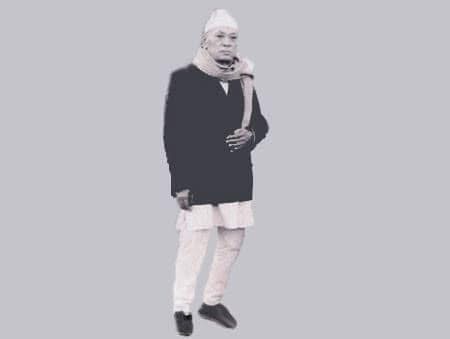
Late mother, Heera Devi Yami, was a survivor of the devastating 1934 earthquake in Nepal. She was just a small child at the time, living in Bhansa-Chhen, Kel Tole, Kathmandu—one of the most heavily affected areas of the city. She often recalled how entire neighborhoods were reduced to rubble and how, as children, they would innocently play among the ruins, unable to fully comprehend the scale of the tragedy around them.
Yet alongside the destruction, she also remembered extraordinary acts of community solidarity and compassion. Coming from a Lhasa Newar family connected to Bhansa-Chhen, her family members participated actively in supporting earthquake survivors. They prepared tea and food in massive, traditional hand-hammered copper vessels known as khasi—large cauldrons with wide mouths traditionally used in Tibetan and Himalayan communities to cook large quantities of food and tea during major festivals and monastery gatherings.
Throughout the disaster and the long recovery period, these Lhasa Newar families organized grassroots support for victims, serving food and helping neighbors survive the bitterest of times. In an era devoid of modern disaster management systems, digital communication, or organized humanitarian infrastructure, communities themselves became the ultimate lifeline.
These stories left a deep impression on me, but it was decades later that I truly understood their weight. During the 2015 earthquake in Nepal, I was actively engaged in relief work across the devastated sites of the Kathmandu Valley. Witnessing the horrific destruction firsthand, I worked directly in the debris-filled streets—helping to clear houses, navigating blocked pathways, and confronting the immense trauma and human suffering of the moment.
In those dark, chaotic hours on the ground, the abstract stories of my childhood became a vivid reality. I saw the exact same enduring spirit of resilience, courage, and collective care that my mother had described from 1934. It was not top-down infrastructure that saved lives in those initial, critical hours; it was ordinary people stepping into the ruins to lift the weight off one another.
Today, as humanity enters the age of Artificial Intelligence and digital transformation, these experiences remind us that technology alone is never enough. During crises, societies survive through empathy, emotional support, social trust, and human solidarity. Digital technologies and AI should be designed to strengthen these human values, not weaken them. The future of civilization depends not only on building smarter systems, but on preserving our ability to care for one another during moments of vulnerability.
The Power of Rationality: The Astrological Panic of 1961
Around 2018 B.S. (1961–1962 CE), widespread public fear gripped Nepal due to rumors and astrological predictions that a catastrophic earthquake would strike on a specific date. Driven by word of mouth and religious interpretations, anxiety spread like wildfire.
In a wave of panic, numerous families donated money, valuables, food, and jewelry to pandits and priests, believing that rituals could avert the predicted disaster. Fear overwhelmed rational judgment, and a large portion of the public placed their trust in supernatural assurances rather than scientific understanding or practical preparedness.
As the dreaded date approached, the panic intensified. Neighbors and acquaintances abandoned their homes to occupy the open spaces of surrounding areas. In Bhurungkel (Kathmandu, Ward 18), relatives and neighbors pitched temporary tents, sleeping for days outdoors in the open space inside the compound of our family residence. People feared their houses would collapse, and entire communities lived in acute psychological distress.
During this mass hysteria, my parents, Dharma Ratna Yami and Heera Devi Yami, stood firmly apart. They refused to buy into the fear-driven claims being spread by religious figures. They were deeply disturbed to see vulnerable, frightened people being persuaded to hand over their hard-earned cash and valuables in exchange for empty promises of divine protection.
At the time, we seven children were staying on the fourth floor of our house. At night, some of the neighbors staying in the tents downstairs would come up and plead with my parents to at least send the children down to sleep outside. "Even if you do not fear death," they begged, "save the children from the coming earthquake."
But my parents calmly refused. They maintained that the panic was irrational and that the public was being manipulated by fear and misinformation. Others were shocked by their defiance, unable to comprehend how they could remain so calm amidst widespread chaos.
Finally, the predicted date arrived. The city was thick with intense prayers, rituals, and priests collecting final offerings. Yet, the day passed quietly. No earthquake came. Nothing happened.
This incident revealed how easily fear and misinformation can weaponize a society when scientific literacy and public awareness are limited. It showed how crises—or even the mere rumor of a crisis—can be exploited for financial gain and psychological control. Above all, my parents’ courage taught me that societies need critical thinking, ethical leadership, and emotional resilience to avoid being overwhelmed by manipulation.
Digital Lifelines: Strengthening Resilience in a Connected World
Today, as humanity enters the age of Artificial Intelligence and rapid digital transformation, these historical lessons take on a vital new dimension. In our hyper-connected world, digital networks and AI have become our modern infrastructure—essential public utilities just like the roads, water systems, and power grids of the past. They are the new networks through which human society coordinates, communicates, and survives.
However, a connected world is also a vulnerable one. Algorithms can now spread misinformation far faster than the word-of-mouth rumors of 1961, creating instantaneous mass fear, confusion, and systemic instability on a global scale. If left unregulated and driven solely by rapid technical deployment, these platforms can dismantle social trust and exploit psychological vulnerabilities.
To counter this, we must intentionally design "Digital Lifelines"—technology frameworks rooted in a sense of Digital Dharma, where ethical accountability, transparency, and human-centric guardrails are paramount. Building true systemic resilience requires us to bridge the gap between rapid technological breakthroughs and slower, necessary ethical governance.
True digital resilience is not just about static cybersecurity or tech-driven automation; it is about building operational resolving power and strengthening our collective capacity to withstand shocks. This means moving systems away from rote memorization toward robust, inclusive STE(A)M models that cultivate scientific literacy and digital hygiene, using technology to support and scale local caregiver collectives and mutual-aid groups, turning the informal community solidarity of 1934 into resilient digital infrastructure and insisting that institutional structures and corporate mandates actively invest in the safety, public trust, and psychological security of the societies they serve.
Technology alone is never enough. During crises, societies survive through compassion, emotional support, social trust, and community solidarity. Digital lifelines must be built to amplify these human virtues, not weaken them. Whether confronting a physical disaster like 1934 or an algorithmic panic like the ones threatening our modern landscape, our truest anchors remain critical thinking, ethical governance, and our fundamental capacity to care for one another.
----------------------NOTE ---------------------------
Please note that the Nepali version of this article was translated using an AI tool and may require further editing. Readers are kindly advised to review the translation with care.
कृपया ध्यान दिनुहोला, यस लेखको नेपाली संस्करण एउटा एआई (AI) उपकरण प्रयोग गरेर अनुवाद गरिएको हो र यसमा थप परिमार्जन (सम्पादन) आवश्यक हुन सक्छ। पाठकवर्गलाई नेपाली अनुवाद सावधानीपूर्वक पढिदिनुहुन हार्दिक अनुरोध छ।
____________________________________________________________________
डिजिटल जीवनरेखाहरू: संकटको समयमा मानवीय मूल्य मान्यता र प्रविधिको भूमिका
मेरी स्वर्गीय आमा हीरा देवी यमी, नेपालको विनासकारी वि.सं. १९९० (सन् १९३४) को भूकम्पको जीवित साक्षी हुनुहुन्थ्यो। त्यस समयमा उहाँ सानै हुनुहुन्थ्यो र काठमाडौँको सबैभन्दा बढी प्रभावित क्षेत्रहरूमध्ये एक—केल टोल, भन्सार-छेंमा बस्नुहुन्थ्यो। छिमेकका छिमेकहरू कसरी भग्नावशेषमा परिणत भएका थिए र बालबालिकाहरूले आफ्नो वरिपरिको त्रासदीको गहिराइलाई पूर्ण रूपमा बुझ्न नसकी कसरी निर्दोषताका साथ ती भग्नावशेषहरूमा खेल्ने गर्थे भन्ने कुरा उहाँ अक्सर सम्झनुहुन्थ्यो।
तर, त्यो विनाशका बीच उहाँले समुदायको असाधारण ऐक्यबद्धता र करुणाका कार्यहरू पनि सम्झनुभयो। भन्सार-छेंसँग जोडिएको ल्हासा नेवार परिवारबाट भएकाले उहाँका परिवारका सदस्यहरू भूकम्प पीडितहरूलाई सहयोग गर्न सक्रिय रूपमा लागेका थिए। उनीहरूले 'खासी' भनिने हातले ठटाएर बनाइएका ठूला, परम्परागत तामाका भाँडाहरूमा चिया र खाना तयार गर्थे। यी फराकिलो मुख भएका ठूला ताप्के (कँडौँडा) हुन्, जसलाई तिब्बती र हिमाली समुदायहरूमा ठूला चाडपर्वहरू र गुम्बाहरूका जमघटहरूमा धेरै मात्रामा खाना र चिया पकाउन परम्परागत रूपमा प्रयोग गरिन्छ।
विपद् र लामो पुनर्लाभको अवधिभर, यी ल्हासा नेवार परिवारहरूले पीडितहरूका लागि जगैदेखि सहयोगको आयोजना गरे, खाना खुवाए र छिमेकीहरूलाई सबैभन्दा कठिन समयमा बाँच्न मद्दत गरे। आधुनिक विपद् व्यवस्थापन प्रणाली, डिजिटल सञ्चार, वा संगठित मानवीय पूर्वाधार नभएको त्यो युगमा, समुदायहरू आफैँ नै अन्तिम जीवनरेखा बनेका थिए।
यी कथाहरूले ममा गहिरो छाप छोडे, तर दशकौँ पछि मात्र मैले तिनीहरूको वास्तविक वजन बुझेँ। नेपालको वि.सं. २०७२ (सन् २०१५) को भूकम्पको समयमा, म काठमाडौँ उपत्यकाका ध्वस्त भएका क्षेत्रहरूमा राहत कार्यमा सक्रिय रूपमा संलग्न थिएँ। भयानक विनाशलाई प्रत्यक्ष रूपमा देख्दै, मैले भग्नावशेषले भरिएका सडकहरूमा प्रत्यक्ष काम गरेँ—घरहरू सफा गर्न मद्दत गर्दै, अवरुद्ध बाटाहरूमा अघि बढ्दै, र त्यस क्षणको अथाह आघात र मानवीय पीडाको सामना गर्दै।
जमिनका ती अँध्यारा र अस्तव्यस्त घण्टाहरूमा, मेरा बाल्यकालका अमूर्त कथाहरू एक जीवन्त यथार्थ बने। मैले ठ्याक्कै त्यही दृढ लचिलोपन, साहस र सामूहिक हेरचाहको भावना देखेँ जुन मेरी आमाले सन् १९३४ को सन्दर्भमा वर्णन गर्नुभएको थियो। ती प्रारम्भिक र महत्वपूर्ण घण्टाहरूमा जीवन बचाउने काम माथिबाट लादिएको पूर्वाधारले गरेको थिएन; यो त साधारण मानिसहरू थिए जो एकअर्काको भार कम गर्न भग्नावशेषहरूमा ओर्लिएका थिए।
आज, जब मानवता आर्टिफिसियल इन्टेलिजेन्स (कृत्रिम बुद्धिमत्ता) र डिजिटल रूपान्तरणको युगमा प्रवेश गरिरहेको छ, यी अनुभवहरूले हामीलाई सम्झाउँछन् कि प्रविधि मात्र कहिल्यै पर्याप्त हुँदैन। संकटको समयमा, समाजहरू समानुभूति, भावनात्मक सहयोग, सामाजिक विश्वास र मानवीय ऐक्यबद्धताका माध्यमबाट जीवित रहन्छन्। डिजिटल प्रविधि र एआईलाई यी मानवीय मूल्यहरूलाई कमजोर बनाउन होइन, बरु बलियो बनाउनका लागि डिजाइन गरिनुपर्छ। सभ्यताको भविष्य स्मार्ट प्रणालीहरूको निर्माणमा मात्र होइन, बरु कमजोरीका क्षणहरूमा एकअर्काको हेरचाह गर्ने हाम्रो क्षमतालाई जोगाइराख्नुमा निर्भर गर्दछ।
विवेकको शक्ति: सन् १९६१ को ज्योतिषीय त्रास
वि.सं. २०१८ (सन् १९६१–१९६२) को आसपास, नेपालमा एउटा निश्चित मितिमा विनाशकारी भूकम्प आउने अफवाह र ज्योतिषीय भविष्यवाणीका कारण सर्वसाधारणमा व्यापक त्रास फैलिएको थियो। जनश्रुति र धार्मिक व्याख्याहरूका कारण यो चिन्ता डढेलो जस्तै फैलियो।
त्रासको लहरमा, धेरै परिवारहरूले पण्डित र पुरोहितहरूलाई पैसा, बहुमूल्य सामान, अन्न र गहना दान गरे, र ती अनुष्ठानहरूले भविष्यवाणी गरिएको विपद्लाई टार्न सक्छ भन्ने विश्वास गरे। डरले विवेकपूर्ण निर्णयलाई ओझेलमा पारिदियो, र जनताको ठूलो हिस्साले वैज्ञानिक बुझाइ वा व्यावहारिक पूर्वतयारीको सट्टा अलौकिक आश्वासनहरूमा आफ्नो विश्वास राखे।
त्यो भयानक मिति नजिकिँदै जाँदा, त्रास झन् तीव्र भयो। छिमेकी र चिनजानका मानिसहरूले वरपरका खुला ठाउँहरू ओगट्नका लागि आफ्ना घरहरू छोडे। भुरुङ्खेल (काठमाडौँ, वडा नं. १८) मा, आफन्त र छिमेकीहरूले अस्थायी पालहरू टाँगे र हाम्रो पारिवारिक निवासको परिसर भित्रको खुला ठाउँमा दिनौँसम्म बाहिरै सुते। मानिसहरू आफ्ना घरहरू भत्किने डरमा थिए, र सम्पूर्ण समुदायहरू गम्भीर मानसिक तनावमा बाँचिरहेका थिए।
यस सामूहिक उन्माद (मास हिस्टेरिया) को समयमा, मेरा आमाबाबु, धर्मरत्न यमी र हीरा देवी यमी, दृढताका साथ यसको विपक्षमा उभिनुभयो। उहाँहरूले धार्मिक व्यक्तित्वहरूद्वारा फैलाइएका डरमा आधारित दाबीहरूलाई पत्याउन अस्वीकार गर्नुभयो। कमजोर र त्रसित मानिसहरूलाई ईश्वरीय सुरक्षाको खोक्रो आश्वासनको बदलामा उनीहरूको कडा मिहिनेतको कमाइ र बहुमूल्य सामानहरू बुझाउन बाध्य पारिएको देखेर उहाँहरू निकै विचलित हुनुभयो।
त्यस समयमा, हामी सातजना छोराछोरी घरको चौथो तलामा बसिरहेका थियौँ। राति, तल पालमा बसेका केही छिमेकीहरू माथि आएर मेरा आमाबाबुसँग कम्तीमा छोराछोरीलाई बाहिर सुत्नका लागि तल पठाइदिन अनुनय-विनय गर्थे। उनीहरू भन्थे, "तपाईँहरूलाई मृत्युको डर नभए पनि, आउने भूकम्पबाट बच्चाहरूलाई त बचाउनुहोस्।"
तर मेरा आमाबाबुले शान्तपूर्वक अस्वीकार गर्नुभयो। उहाँहरूले यो त्रास अतार्किक भएको र जनतालाई डर र गलत सूचनाको माध्यमबाट बहकाइएको कुरामा जोड दिनुभयो। अरू मानिसहरू उहाँहरूको यो अवज्ञाबाट स्तब्ध भएका थिए र व्यापक अराजकताका बीच उहाँहरू कसरी यति शान्त रहन सक्नुभयो भन्ने कुरा बुझ्न असमर्थ थिए।
अन्ततः, भविष्यवाणी गरिएको त्यो दिन आयो। सहरभरि तीव्र प्रार्थना, अनुष्ठान र पुरोहितहरूले अन्तिम भेटी संकलन गरिरहेका थिए। तर, त्यो दिन शान्तपूर्वक बित्यो। कुनै भूकम्प आएन। केही पनि भएन।
यस घटनाले वैज्ञानिक साक्षरता र जनचेतना सीमित हुँदा डर र गलत सूचनाले समाजलाई कति सजिलै हतियार बनाउन सक्छ भन्ने कुरा उजागर गर्यो। यसले देखायो कि कसरी संकटहरू—वा संकटको मात्र अफवाहलाई पनि—आर्थिक लाभ र मनोवैज्ञानिक नियन्त्रणका लागि दुरुपयोग गर्न सकिन्छ। सबैभन्दा बढी, मेरा आमाबाबुको साहसले मलाई सिकाायो कि समाजलाई भ्रम र हेरफेरबाट जोगिनका लागि आलोचनात्मक सोच (क्रिटिकल थिङ्किङ), नैतिक नेतृत्व र भावनात्मक लचिलोपनको आवश्यकता पर्दछ।
डिजिटल जीवनरेखाहरू: जोडिएको संसारमा लचिलोपनको सुदृढीकरण
आज, जब मानवता आर्टिफिसियल इन्टेलिजेन्स र द्रुत डिजिटल रूपान्तरणको युगमा प्रवेश गरिरहेको छ, यी ऐतिहासिक पाठहरूले एउटा नयाँ र महत्त्वपूर्ण आयाम लिन्छन्। हाम्रो अत्यधिक जोडिएको (हाइपर-कनेक्टेड) संसारमा, डिजिटल नेटवर्क र एआई हाम्रा आधुनिक पूर्वाधार बनेका छन्—विगतका सडक, खानेपानी र विद्युत ग्रिडहरू जस्तै आवश्यक सार्वजनिक सुविधाहरू। यी ती नयाँ सञ्जालहरू हुन् जसको माध्यमबाट मानव समाजले समन्वय, सञ्चार र अस्तित्व रक्षा गर्दछ।
यद्यपि, एउटा जोडिएको संसार कमजोर पनि हुन्छ। एल्गोरिदमहरूले अब सन् १९६१ को जनश्रुति वा अफवाहहरू भन्दा धेरै छिटो गलत सूचना फैलाउन सक्छन्, जसले विश्वव्यापी स्तरमा तुरुन्तै सामूहिक डर, भ्रम र प्रणालीगत अस्थिरता सिर्जना गर्दछ। यदि यिनीहरूलाई अनियन्त्रित छोडियो र केवल द्रुत प्राविधिक परिचालनद्वारा मात्र निर्देशित गरियो भने, यी प्लेटफर्महरूले सामाजिक विश्वासलाई ध्वस्त पार्न सक्छन् र मनोवैज्ञानिक कमजोरीहरूको फाइदा उठाउन सक्छन्।
यसको सामना गर्न, हामीले जानाजानी "डिजिटल जीवनरेखाहरू" (Digital Lifelines) को डिजाइन गर्नुपर्छ—जुन 'डिजिटल धर्म' को भावनामा आधारित प्रविधि ढाँचाहरू हुन्, जहाँ नैतिक जवाफदेहिता, पारदर्शिता र मानव-केन्द्रित सुरक्षा घेराहरू सर्वोपरी हुन्छन्। साँचो प्रणालीगत लचिलोपन निर्माण गर्नका लागि हामीले द्रुत प्राविधिक आविष्कारहरू र सुस्त तर आवश्यक नैतिक सुशासन बीचको खाडललाई पुर्नु पर्दछ।
वास्तविक डिजिटल लचिलोपन केवल स्थिर साइबर सुरक्षा वा प्रविधि-चालित स्वचालित प्रणाली (अटोमेसन) मात्र होइन; यो त परिचालनगत समस्या समाधान गर्ने क्षमता (resolving power) को निर्माण र धक्काहरू सामना गर्ने हाम्रो सामूहिक क्षमतालाई सुदृढ गर्ने कुरा हो। यसको अर्थ प्रणालीहरूलाई कण्ठ गर्ने परिपाटीबाट टाढा लगेर बलियो र समावेशी STE(A)M मोडलहरूतर्फ लैजानु हो जसले वैज्ञानिक साक्षरता र डिजिटल स्वच्छता (digital hygiene) लाई बढावा दिन्छ; प्रविधिको प्रयोग गरेर स्थानीय हेरचाहकर्ता समूह र पारस्परिक सहयोग समूहहरूलाई समर्थन र विस्तार गर्नु हो, जसले सन् १९३४ को अनौपचारिक सामुदायिक ऐक्यबद्धतालाई लचिलो डिजिटल पूर्वाधारमा परिणत गरोस्; र संस्थागत संरचना तथा कर्पोरेट जनादेशहरूले आफूले सेवा गर्ने समाजको सुरक्षा, सार्वजनिक विश्वास र मनोवैज्ञानिक सुरक्षामा सक्रिय रूपमा लगानी गर्नुपर्छ भन्ने कुरामा जोड दिनु हो।
प्रविधि मात्र कहिल्यै पर्याप्त हुँदैन। संकटको समयमा, समाजहरू करुणा, भावनात्मक सहयोग, सामाजिक विश्वास र सामुदायिक ऐक्यबद्धताका माध्यमबाट बाँच्छन्। डिजिटल जीवनरेखाहरू यी मानवीय गुणहरूलाई कमजोर पार्न होइन, बरु बढावा दिनका लागि निर्माण गरिनुपर्छ। चाहे सन् १९३४ जस्तो भौतिक विपद्को सामना गर्नु होस् वा हाम्रो आधुनिक परिदृश्यलाई खतरामा पार्ने एल्गोरिथमिक त्रासको, हाम्रा साँचो आधारहरू आलोचनात्मक सोच, नैतिक सुशासन र एकअर्काको हेरचाह गर्ने हाम्रो मौलिक क्षमता नै हुन्।