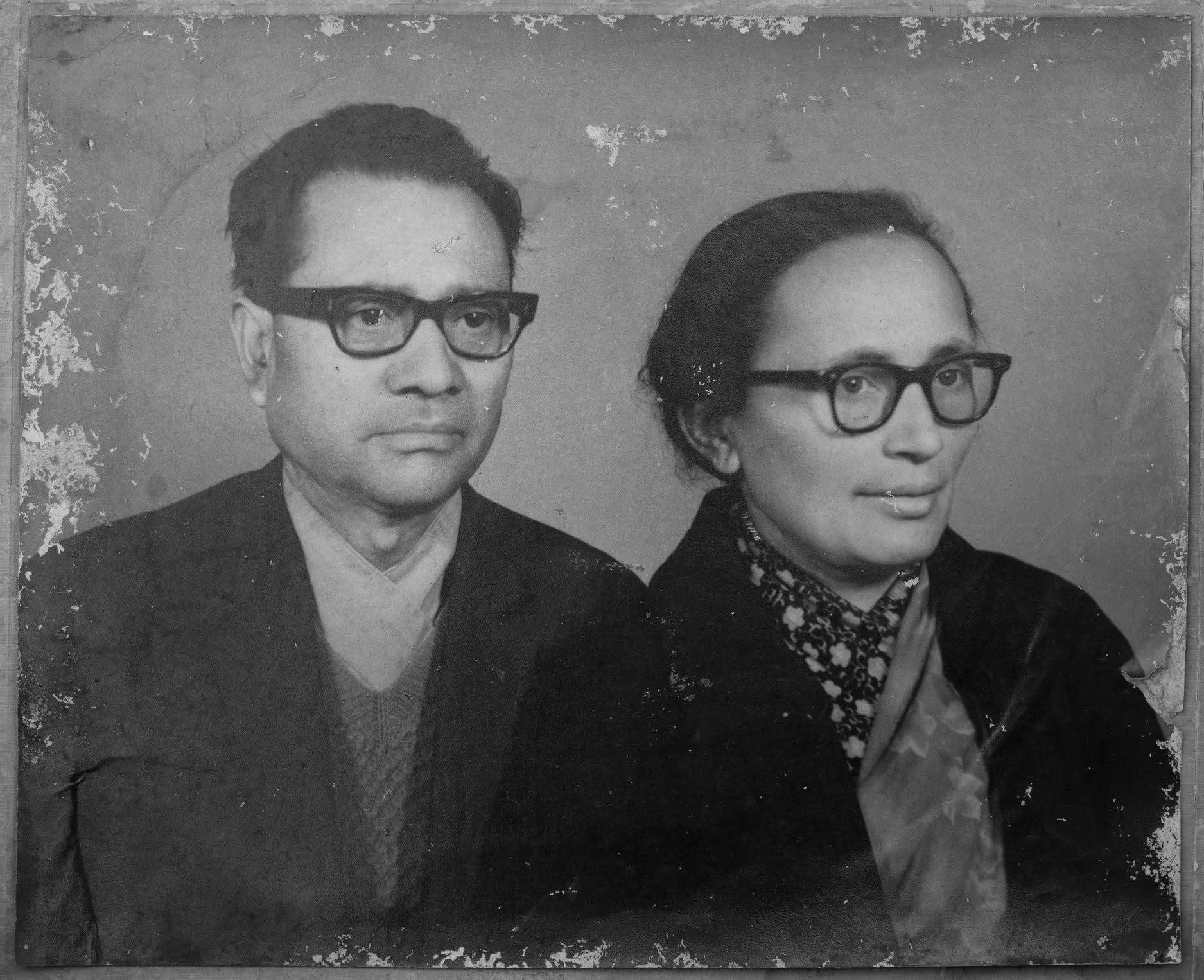
A Legacy of Courage and Kindness: In Memory of Heera Devi Yami
My mother, Heera Devi Yami, passed away in January 1970 at just forty-nine years old. To truly understand her, you have to understand the harsh world she was born into.
Growing up in Nepal during the autocratic Rana regime, women lived in constant vulnerability and fear. Men were often away trading in Lhasa for upto fifteen years at a time, leaving families behind. Because powerful rulers could kidnap young women with impunity, families kept their daughters strictly hidden indoors. Education was forbidden; women were warned that even touching books or study materials would bring terrible disaster upon their entire family. Even men faced torture if caught holding educational materials in public. From a young age, my mother learned that safety meant staying hidden, remaining illiterate, and keeping quiet. She learned to endure hardship without complaint.
Fighting for Freedom
Yet, even under such oppressive conditions, her life did not remain confined to silence. As she grew older, my mother found the courage to stand up for justice and joined the secret underground movement against the Rana government. The same girl who grew up in a world where books were treated like a crime risked everything to bring freedom to her country.
For her role in the freedom movement, she was arrested, imprisoned, and tortured. During her imprisonment, she developed severe asthma—a physical price she paid for her bravery. But she refused to back down, believing deeply that everyone deserved justice, dignity, and opportunity.
The Pillar of Our Family
When she was released from prison, she returned to a life that was no less demanding. Within our family, my father was a respected writer and politician who devoted his life to literature and democracy. He was honest, kind, and generous, but he trusted people too easily. People frequently took advantage of his goodwill, and he never fully realized how much of that burden fell on my mother.
She became the true strength and financial anchor of our home. She raised seven children, managed the household including finances, and acted as a shield for my father against those who misused his kindness. Over the years, carrying everyone else’s weight slowly wore her down.
A Lifetime of Service
Even as her responsibilities grew and her health began to decline, her devotion to others never wavered. During the Rana regime, when helping political dissidents was extremely dangerous, she quietly sheltered and cared for the families and children of activists in danger. Later in life, she spent her remaining energy standing up for the poor and vulnerable. In the Courts: She accompanied poor, uneducated people to legal proceedings, guiding them through a complex system they couldn't navigate alone. In Hospitals: When impoverished families were turned away, she fought officials until those patients received medical care. In Education: Having grown up in an era when books were forbidden to women, she went directly to the Ministry of Education to fight for scholarships so bright, underprivileged students could go to school.
Many people over eighty still remember seeing her out on the streets walking, working tirelessly for others. When her health began to fail, she would tell people her heart felt swollen, and she would sometimes faint right on the road. Once she recovered, she would simply ask for a cup of tea, regain her strength, get into a rickshaw, and head back out to help someone else. As children, we were too young to fully grasp the incredible scale of her service despite her failing body.
Understanding Her Burden
For years, no doctors in Kathmandu could properly diagnose her failing health. Her body was giving out not from a single illness, but from years of built-up stress, financial strain, time in prison, and untreated heart problems.
It was only at the end of 1969, when my father took her to the All India Institute of Medical Sciences in New Delhi, that doctors made a shocking discovery: two of her heart valves were severely damaged. The doctors told my father she had only days left to live. It is staggering to realize that while her body was failing so completely, she was still running around helping anyone in need.
Today, I see how deeply unfair it truly was. Society taught women of her era to keep quiet, follow the rules, and hold the family together at all costs. She gave everything—to the freedom movement, to her seven children, and to a society that took her endless giving for granted.
Today, I finally understand the immense weight she carried. My mother showed us that true leadership isn't about holding power—it is about having the courage to stand beside those who are suffering. Her life remains a powerful testament to strength, kindness, and unwavering devotion, and I carry her memory with deep love, respect, and gratitude.