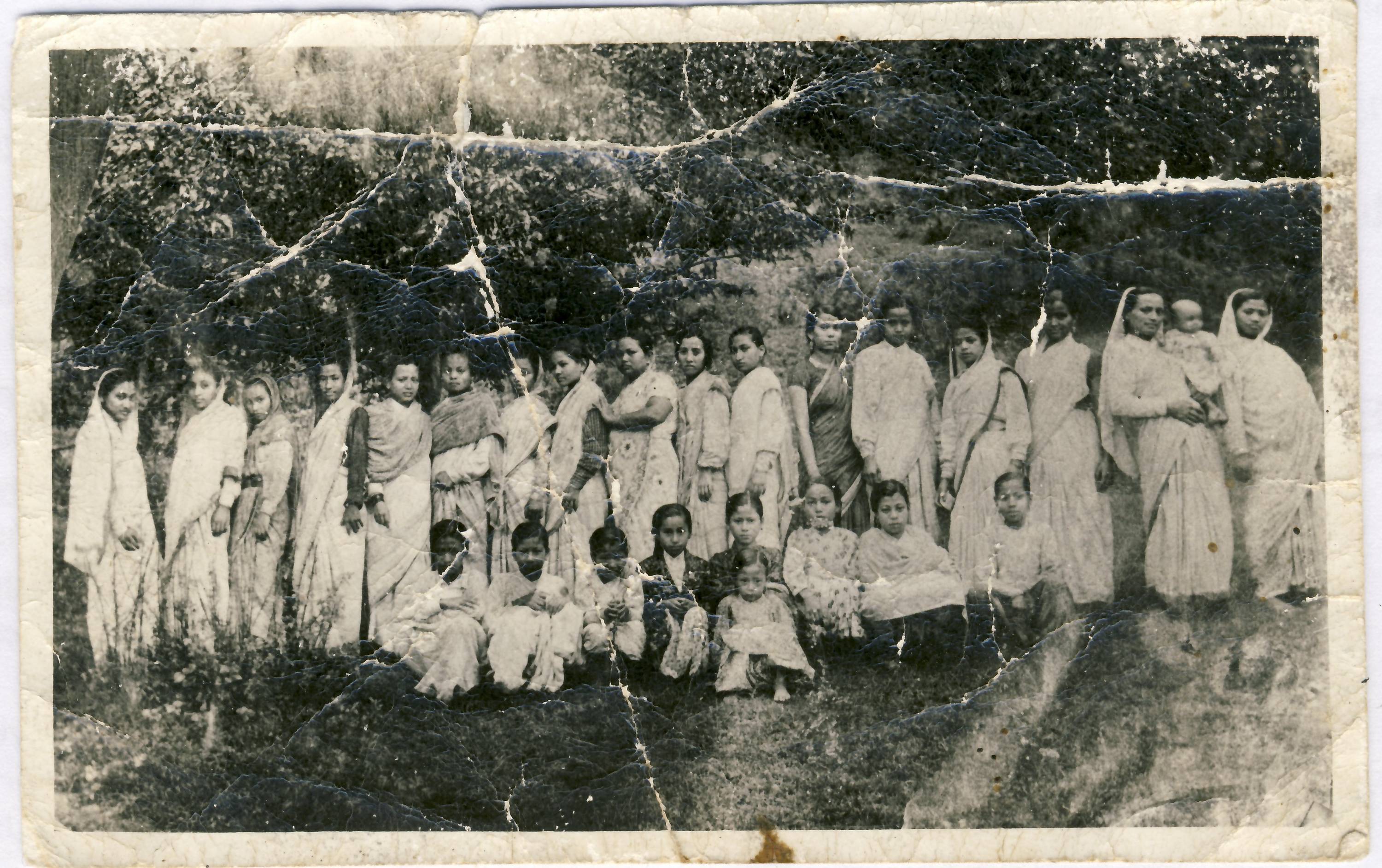
The history of the Trans-Himalayan trade is often recorded through commerce, wealth, and adventurous merchants. Yet behind every trader in Lhasa was a family in Kathmandu—mothers, wives, and daughters—holding households together through months or years of separation, managing crises, and enduring the silent terror of waiting for news.
Out of this world of hardship, loss, and enforced silence emerged Heera Devi Yami, a young girl who broke through generational barriers to become a pioneering voice for democracy and women's rights in Nepal.
A World Connected by Trade and Separated by Fear
Heera Devi Yami was born into a Lhasa Newar family whose survival was bound to the ancient trade routes connecting Kathmandu and Tibet. For generations, Newar merchants crossed the formidable Himalayas to trade in Lhasa. These journeys sustained families, but they came at an immense personal cost.
Navigating the Trans-Himalayan region was treacherous. Merchants faced extreme sub-zero cold, snowstorms, avalanches, sudden landslides, glacial lake outbursts, and flash floods that could sweep away entire caravans in an instant. Traveling without paved roads, weather forecasts, telephone lines, or rescue teams, departure was never treated as a routine event.
Because casualties were so frequent, a distinct tradition arose before a merchant set off: everything had to be declared and settled. If a traveler owed money, had outstanding debts, or had personal wishes to fulfill, he would speak them to his family before stepping out the door. The departure was a quiet preparation for the very real possibility of never coming back.
Tragedies on the Silk Road: The Men Who Venture North
These perils were not abstract legends to young Heera Devi; they struck at the very heart of her home across generations of family traders:
Lama Sahu
Laxmi Krishna was a Kasa, or Kansakar, who followed the traditional handicraft of making copper and brass pots. He lived in a lane called Masangalli off the main street of Kel Tol in central Kathmandu. He had four sons – Laxmi Bir Singh, Heera Kaji, Ratna Man Singh and Moti Kaji. When the oldest son, Laxmi Bir Singh, grew up, he was sent to work at the Kothi or shop of his maternal uncle in Lhasa, where he had the usual experience of a Banja – great hardship.
Later, Laxmi Bir left his uncle’s shop and began to trade on his own with money borrowed from some other people. He bought and sold nabu cloth in the streets and gradually over the years, he made good.
By the time the second son, Heera Kaji, had a son (Dhana Kaji), born at Talabi, the particular section at Masangalli where he lived, the family was able to buy a part of a house called Bhansachhen in the main street in the name of one-year-old Dhana Kaji.
Laxmi Bir Singh ( also called Lama Sahu ), was the first in the family to make the long journey to Tibet to support a large joint family—including three younger brothers, three daughters-in-law, and numerous children. He recalled pacing round an ice-cold lake in Tibet, agonized by the thought of failing to earn enough to feed his starving family. At his lowest points, he contemplated jumping into the frozen lake.
Persevering through desperation, Lama Sahu established a flourishing enterprise across the Himalayas. Yet, after surviving decades on Asia’s deadliest mountain routes, his end came at home in Kathmandu: he fell gravely ill and passed away due to the era's near-complete lack of modern medical care.
Ratna Mansingh Kansakar
Ratna Mansingh met an even more harrowing fate. While returning to Kathmandu, he was ambushed and brutally attacked by dacoits, who left him severe injuries to his face, jaw, and ear. Abandoned to die, he was discovered by three passing Newar travelers. Refusing to leave him behind, these strangers carried his broken body through the wilderness for two days to a mountain monastery.
Under the monks' care, Ratnamansingh survived and eventually made his way home. However, his ordeal left permanent scars; he later developed a severe disease affecting the bone around his jaw, ear, and gums—remembered by the family as cancer—and passed away.
A Generational Chain
Despite these tragedies, the commercial tradition continued. Father of Heera Devi, Heera Kaji had been managing the trade throughout. Subsequent generations—including his sons Dhana Kaji ratna Tana Ratna, Mani Ratna Kansakar and Moti Kaji's son Chaiteratna Kansakar—stepped onto the Trans-Himalayan routes, inheriting the language skills, market networks, and constant risks of the trail. THe eldest son of Dhana Kaji Dibya Ratna also joined the buinees.
The Enforced Silence: Women Without Letters
While men traveled the world, women were systematically kept in darkness. In the social environment of Heera Devi’s childhood, girls were strictly forbidden from learning to read or write. Family elders often enforced this through superstition, warning young girls that if a female wrote a word, it could turn into a harmful mantra that would bring misfortune or death upon the family.
This enforced illiteracy stripped women of basic human agency:
No Direct Communication: A wife waiting in Kathmandu could not write a letter to inquire if her husband was safe, nor read a message sent from afar.
Uncertain Loss: When travelers disappeared without a trace, families had no written records or physical closure. In response, special cremation rituals using symbolic objects developed in Newar culture to allow grieving families to mourn when no body was recovered.
Erased Histories: Because women could not record their memories, their personal suffering, resilience, and economic contributions were left out of history books, surviving only as spoken stories passed down to their children.
Growing up surrounded by accounts of sudden death, physical illness, and enforced silence left a deep psychological mark on young Heera Devi.
Public Activism & Resistance to Rana Regime
As a core organizer of the Nepal Mahila Sangh, Heera Devi stood at the forefront of the movement against the autocratic Rana regime, advocating passionately for democracy, social justice, and women’s rights.
Her bravery came at a severe personal cost. Authorities arrested her while she was organizing an Independence Day event in Kathmandu—taking her into custody with her infant child in her arms. She endured imprisonment and persecution, refusing to be silenced.
What This History Teaches Us Today
The journey of Heera Devi Yami and her family offers key insights:
The Critical Power of Literacy: Literacy is the foundation of self-expression and agency. Denying education to any child limits their capacity to participate in the world.
Preserving Women’s Oral History: Official histories often focus on monarchs, treaties, and trade volumes while ignoring the domestic labor that sustained societies through crisis. Preserving family narratives restores these missing accounts.
Overcoming Early Adversity: Hardship and restrictive environments can be transformed into empathy, courage, and leadership.
From the silent fears of the Trans-Himalayan trade routes to the public calls for democratic freedom, Heera Devi Yami’s life stands as a testament to the resilience of the human spirit—proving that even from a world of enforced silence, a voice for systemic change can be born.
From Enforced Silence to an Unbreakable Voice
Rather than crushing her spirit, the atmosphere of tragedy and superstition fueled Heera Devi’s determination. The girl who was forbidden from learning the basic alphabet grew up to challenge the boundaries of her era.
She broke through the barriers of illiteracy, educated herself, and stepped directly into public life during a period of intense social upheaval.