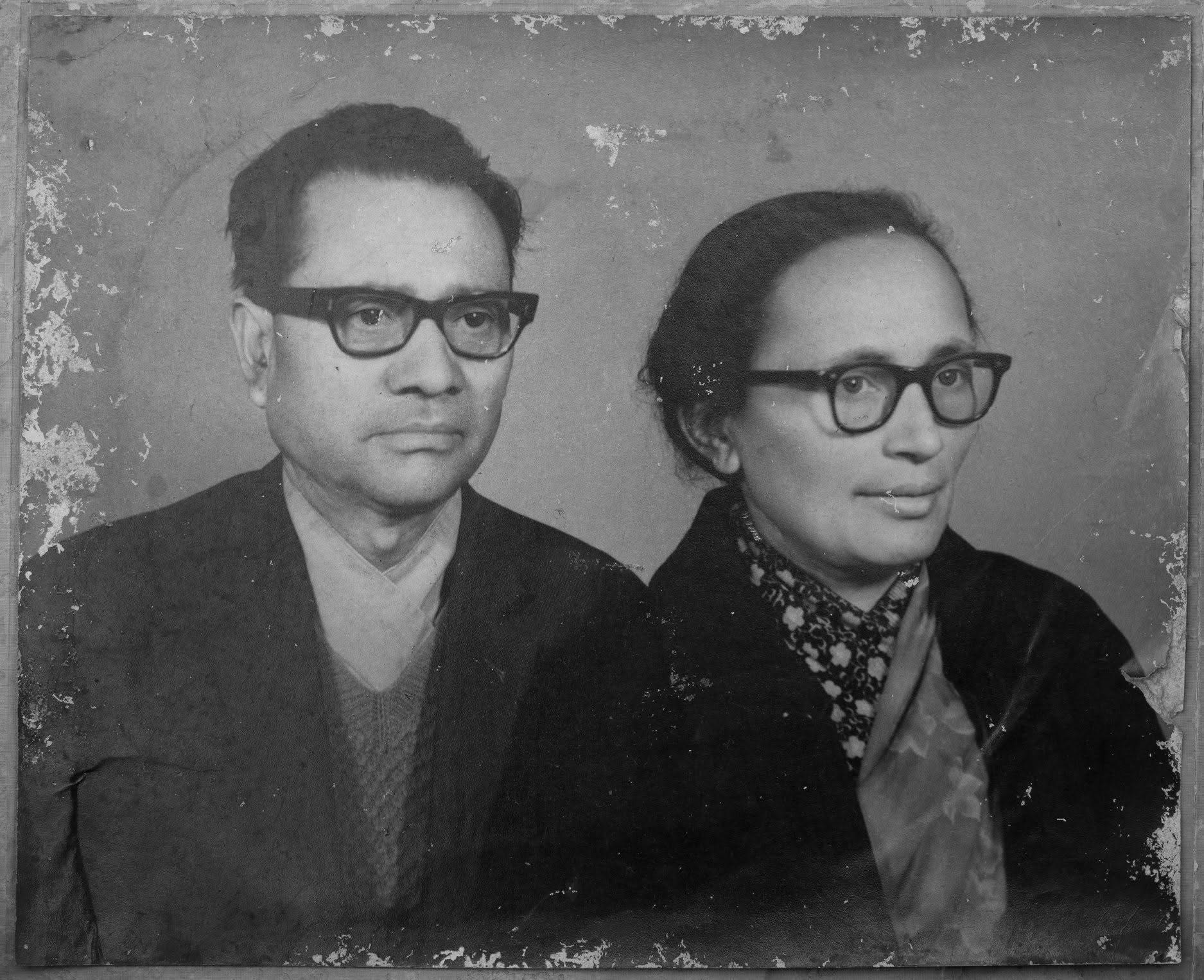
Father of the Nation: Some Memoirs
By Dharma Ratna Yami
First Audience with the King
Through Mr. Dayaram Prasad, I was informed that His Majesty King Mahendra had granted me an audience at 2:00 p.m. at the Narayanhiti Royal Palace.
The news stirred my mind. Since childhood, I had heard people say that if one happened to catch a glimpse of the King while he was traveling in a horse carriage or a motorcar, the sins of the entire day would be washed away. And now, I was to have a personal audience with that very monarch in the Royal Palace.
Questions kept racing through my mind. What should I request? How should I present my thoughts to the King? What words should I use? Thinking about these things, the night passed without rest.
Morning came. I continued pondering these questions until 1:30 p.m. Then, in haste, I left my home and headed toward Narayanhiti.
The doors of the royal audience chamber were opened. Yogendra Bikram ushered me inside. As I entered, I respectfully folded my hands, bowed with deep reverence, and greeted the King.
The King spoke to me in Nepal Bhasa (Newari):
“Than pharẽ?”
(“Please have a seat here.”)
He invited me to sit on the chair beside him.
Then he asked again in Nepal Bhasa:
“Jhwa! Chhimi maijulā sāp kamjor kā, usāya mudā chu?”
Which means:
“Oh! Your wife looks very weak. Has she been ill?”
I replied to the King in Nepal Bhasa (Newari):
“No, Your Majesty, she is not ill. She has simply become very weak.”
In 2005 B.S. (1948–49 A.D.), we laid the foundation for a strong political movement, believing that change should not depend solely on armed rebellion. Under the legal framework known as the Praja Panchayat, established according to the constitution promulgated by the then Prime Minister Padma Shumsher Rana, we organized a peaceful movement.
As a result, more than three hundred satyagrahis (nonviolent protesters) were imprisoned for participating in our civil disobedience campaign.
At that time, senior democratic leaders who had been living underground in India came to Kathmandu and met with us. They said:
“Please suspend the satyagraha you are conducting. We, too, have accepted this constitutional framework for the time being. We (the Nepali Congress) are fighting for complete democracy. Therefore, let us coordinate our efforts. For now, please stop this movement.”
We accepted their request, and our satyagrahis also went underground to continue the struggle.
However, Indian newspapers continued reporting that these leaders were successfully leading a major satyagraha against the Rana regime. Because of these reports, the Rana government mistakenly believed that our Praja Panchayat movement was being directed by those senior leaders and intensified its repression. Those leaders were eventually arrested as well.
As a result, we had to flee to India to continue the underground movement.
At that very time, my wife had only recently given birth. The Rana government arrested her as well. While she was recovering from childbirth, she was subjected to various forms of ill-treatment and hardship. As a consequence, she developed heart disease, asthma, and other health problems, leaving her permanently weakened.
I told the King:
“That is why she has become so weak, Your Majesty.”
The King then remarked:
“I see. So you, too, had connections with the senior leaders who were staying in India. I had heard about your meetings with them. They met many different leaders and activists, but I understand that you helped strengthen your Praja Mandal organization without depending on anyone else’s support…”