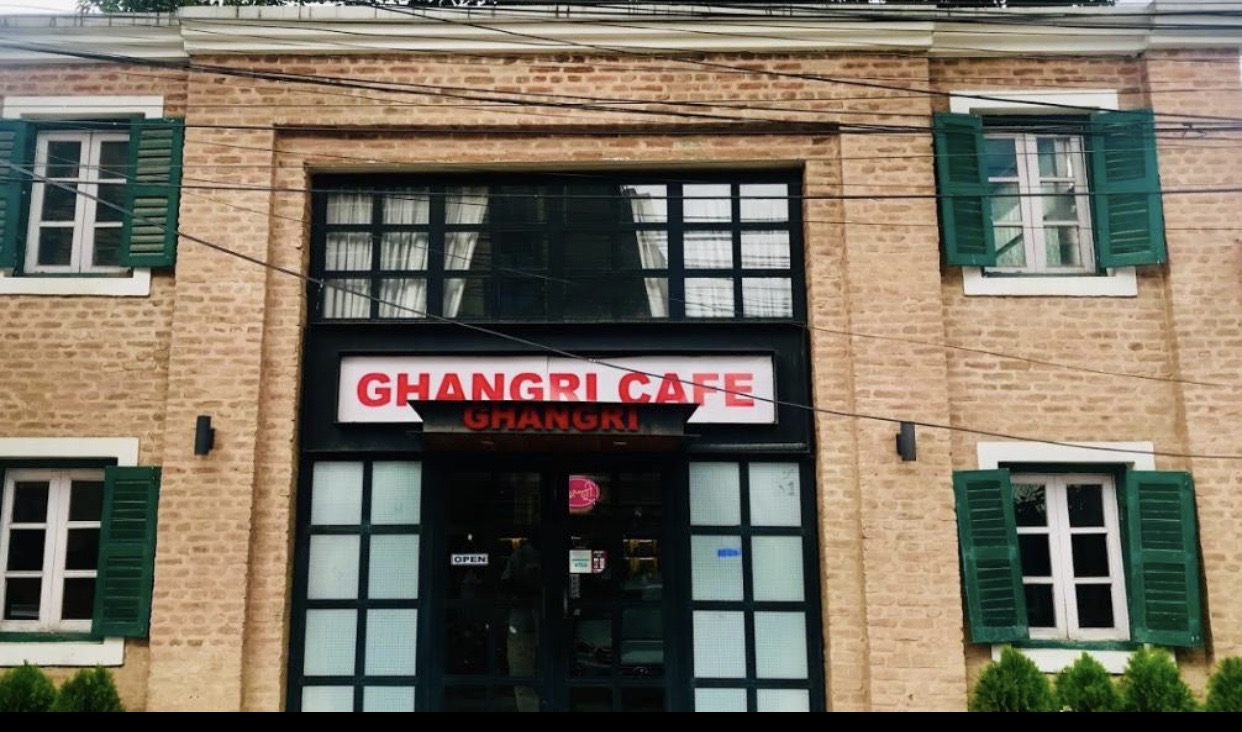
Gangri Sui Mai is known for its Tibetan-style snacks, especially sui mai and momo, and is associated with the long cultural ties between Newar trading families and Tibetan society in Kathmandu.
An article about the father was also published in a Nepali newspaper, documenting the life of a Newar trader who married a Tibetan woman during the era of trans-Himalayan commerce. The feature highlighted their family history, rare photographs from Tibet, and the cultural blending that emerged through trade, marriage, language, religion, and food traditions between Newar and Tibetan societies. It served as an important reflection of Kathmandu’s historical connections with Tibet and the multicultural legacy created by merchant families across generations.
Gangri Sui Mai is one of the well-known old Tibetan-Newar eateries in Kathmandu, especially famous for Tibetan-style snacks such as open momo (sui mai), steamed dumplings, and traditional soups.
The story you mention reflects an important part of Kathmandu’s historical cultural connections with Tibet. Many Newar merchant families traveled and lived in Tibet for trade, and some married Tibetan women there. Their families became bridges between Newar and Tibetan cultures, languages, food traditions, and business networks. It was not uncommon for such families to preserve old photographs from Lhasa or trading towns showing traditional dress, caravan trade, and mixed Newar-Tibetan households with large families.
Gangri itself became known not only for food but also as a social meeting place connected to Kathmandu’s long Tibetan-Newar cultural history.
Their father, a Newar from Kathmandu, married a Tibetan lady during his years in Tibet. The family kept rare photographs from that era, reflecting the deep cultural ties between Newar traders and Tibetan society. Together they had eleven children.”
An article about the father was published in a Nepali magazine, highlighting the unique history of a Newar man who married a Tibetan woman during the era of Nepal–Tibet trade relations. The article reportedly described their life in Tibet, their large family of eleven children, and the preservation of rare old photographs from those years. It also reflected the deep cultural connections between Newar traders and Tibetan society, especially through marriage, commerce, language, and food traditions that shaped parts of Kathmandu’s social history.
It also reflected the deep cultural connections between Newar traders and Tibetan society — connections built through trans-Himalayan trade, intermarriage, shared languages, religious exchanges, and culinary traditions. These relationships became an important part of Kathmandu’s social and cultural history, influencing communities, businesses, and everyday life across generations.
It also reflected the deep cultural connections between Newar traders and Tibetan society — relationships that developed over centuries through the historic trans-Himalayan trade routes linking Kathmandu Valley with Lhasa and other Tibetan trading centers. For generations, Newar merchants traveled across the Himalayas carrying textiles, metal crafts, coins, spices, and religious items, while bringing back wool, salt, gold, turquoise, and Tibetan cultural influences to Nepal. Many lived in Tibet for years at a time, establishing business houses, community networks, and close social ties with local Tibetan families.
These exchanges went far beyond commerce. Intermarriages between Newar traders and Tibetan women created families that blended languages, customs, cuisines, dress, and religious practices from both cultures. Children from these families often grew up multilingual, speaking Nepal Bhasa, Tibetan, Nepali, and sometimes Hindi or other trade languages. Homes became spaces where Newar Buddhist traditions, Tibetan rituals, festivals, and everyday practices coexisted naturally.
Food culture was one of the most visible legacies of this connection. Tibetan dishes such as momo, sui mai, noodle soups, butter tea, and other Himalayan snacks gradually became part of Kathmandu’s urban food culture, especially in areas connected to old merchant communities. Restaurants and family kitchens preserved recipes and styles that carried memories of Tibet and the trading era.
Religious and artistic exchanges were equally significant. Newar artisans contributed to Buddhist art, temple architecture, metal casting, and paubha traditions across Tibet, while Tibetan Buddhism influenced monastic life and ritual culture within Nepal. Merchant families often supported monasteries, pilgrimage networks, and cultural institutions on both sides of the Himalayas.
These long-standing relationships shaped Kathmandu’s social history in profound ways. They helped create cosmopolitan trading neighborhoods, strengthened Buddhist cultural networks, encouraged linguistic and artistic exchange, and contributed to the multicultural identity of the Kathmandu Valley. Old family photographs, business records, letters, and oral histories from such families remain valuable historical evidence of a period when Nepal and Tibet were deeply interconnected through human relationships as much as through trade.