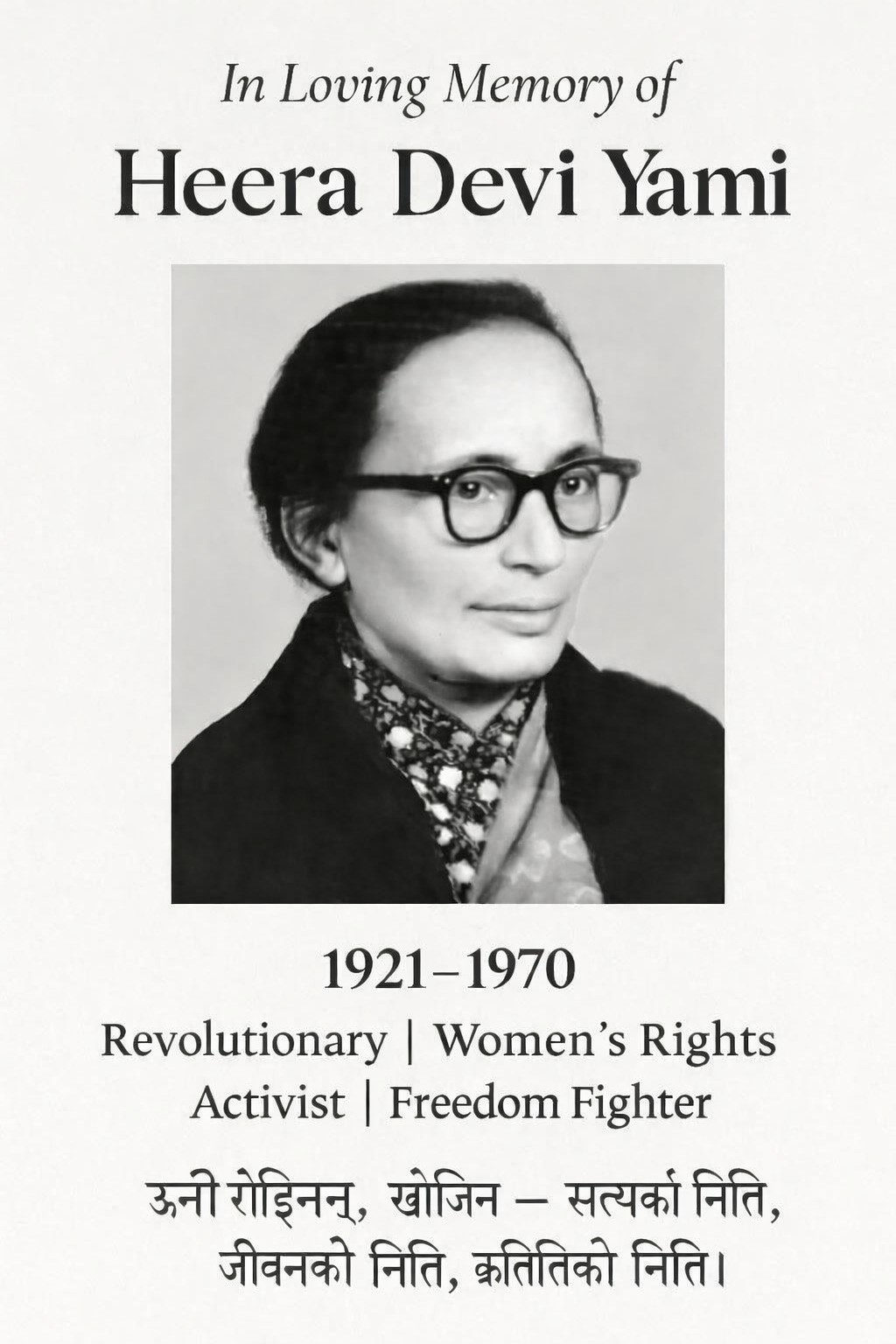
This historical context adds a somber and deeply human layer to the resilience of Heera Devi Yami. The Lhasa trade route was not just a commercial path; it was a theater of immense tragedy that disproportionately impacted the women and children left behind.
Based on your description, here are some key observations regarding the historical reality of the Lhasa Newar traders and the environment that shaped Heera Devi:
The Burden of the Child Bride
The story of Latan Devi—married at six and whose father a Lhasa trader died before she was born and mother passed way when she was five years old- illustrates the extreme vulnerability of girls in that era. In these communities:
• Marriage as Security: Often, early marriages were a desperate attempt by families to ensure a girl's future in the absence of parents, yet it frequently led to a life of servitude and isolation.
• Early Widowhood: With husbands traveling the treacherous Himalayan passes, many of these child brides became "living widows" or actual widows before they even reached adulthood.
The Treacherous Lhasa Route
The journey between Kathmandu and Lhasa was one of the most dangerous trade routes in the world. Your account highlights the specific "disasters" these families accepted as the cost of survival:
• Environmental Hazards:
• The "Frozen" Deaths: Many traders succumbed to hypothermia or were buried in avalanches.
• River Crossings: The use of animal skin boats (coracles) was a common but high-risk method for crossing the turbulent rivers of the Tibetan plateau. A single swell could wipe out an entire caravan.
• Lawlessness and "Body Banking": Since there was no formal banking system, the practice of carrying physical gold or silver on one's person made traders "walking targets" for dacoits (bandits) in the high mountain passes and jungles.
• The Health Crisis: The lack of medical facilities in Tibet and the physical toll of high-altitude travel meant that even minor illnesses often became fatal.
The Impact on Heera Devi Yami
Witnessing this level of suffering—the loss of relatives, news of of frozen bodies, and the grief of child brides like her cousin—undoubtedly forged Heera Devi’s "quiet strength."
Lani Devi Tuladhar was a young girl with a small baby boy was left behind by her husband who never returned. People told her various news about being washed away in dangerous river flood. There were similar stories of other relatives too.
Growing up in a community where life was so fragile and survival required such extreme physical and mental endurance likely prepared her for the high-stakes underground work she later performed. She didn't just learn to be brave; she was raised in a culture where endurance was a prerequisite for existence.