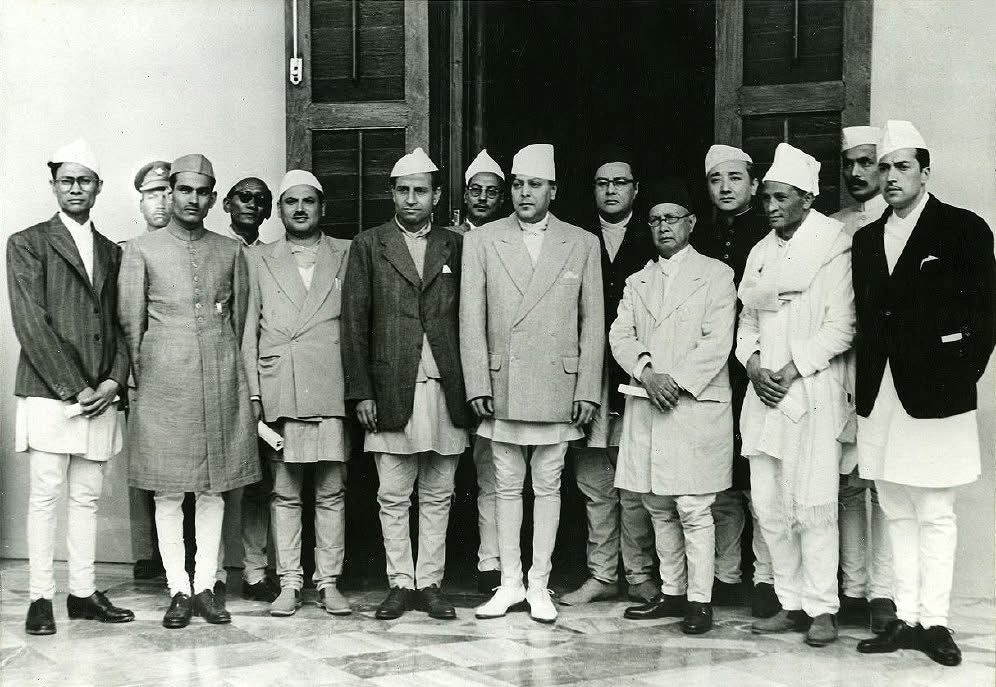
For more than a hundred years, the Kathmandu Valley—the cultural heart of the very country where Siddhartha Gautam was born—was forced into a long spiritual silence. Under the strict rule of the Rana prime ministers, the simple orange robes of Theravada Buddhist monks were treated as a major threat to the government's official religious monopoly.
Because of this, the state heavily cracked down on the monks twice, first in 1926 and again in 1944. Monks were kicked out of the country for simple "crimes" like preaching, allowing women to become nuns, and writing books in their native language, Nepal Bhasa.
But when the Rana regime finally fell in 1951, it brought more than just political democracy. It triggered a deep cultural awakening, led by one of Nepal's most fearless and rebellious thinkers: Dharma Ratna Yami.
The Bold Strategy of 1951
When Dharma Ratna Yami became a Deputy Minister in the newly formed government after the revolution, he found a country stuck at a major crossroads. Even though Nepal's political borders had finally opened up, the old conservative elite were still guarding the social pathways, determined to block any Buddhist growth just as they had done for generations.
Yami saw a golden, historic opportunity. The government of Sri Lanka had offered to send a deeply sacred gift to Nepal: the Astu, which are the actual physical relics (sacred remains) of the Buddha. To the old conservative elite, bringing these relics into the country was a dangerous violation of their traditions. To Yami, it was exactly what the nation needed to heal. Taking a massive political risk, Yami went straight past the wall of opposition and convinced King Tribhuvan to officially welcome the relics and allow the exiled monks to finally come back home.
The Procession and the "Madman" Rumor
The arrival of the sacred relics from Sri Lanka set off a deeply symbolic parade. The plan was to carry them all the way from the Narayan Hiti Royal Palace to the newly built Anandakuti Vihar monastery in Swayambhu. This was far more than a simple religious march; it was a loud, public statement that a long-silenced identity was finally stepping back into the light, right through the main streets of Kathmandu.
However, the anger from the old establishment was intense. Conservative groups and protestors lined both sides of the road, desperate to stop the parade from moving forward. Realizing they couldn't physically block the massive crowd, they turned to a different weapon: a malicious whisper campaign.
As curious onlookers stood on the sidewalks asking what the huge gathering was all about, these opposition groups intentionally spread a toxic rumor down the lines. They mockingly told the crowd that he sacred Astu inside the boxes was completely fake—nothing but "Quai," the worthless Bone ash. To ruin the reputation of the Gautam Buddha, they told people that the entire event was being run by "Wyen"—a local term for a madman or an insane person—aiming the insult directly at Dharma Ratna Yami's mental state and leadership.
By framing the holy relics as household garbage and the reformers as crazy people, the old guard tried to trick the public into turning against the parade. But despite the insults and lies whispered from the sidewalks, the marchers refused to stop. The procession pushed straight through the rumors all the way to Swayambhu, turning that walk into a historic victory for religious freedom in modern Nepal.
Recored in Newari and translated into English by Prof. Timila Yami